
















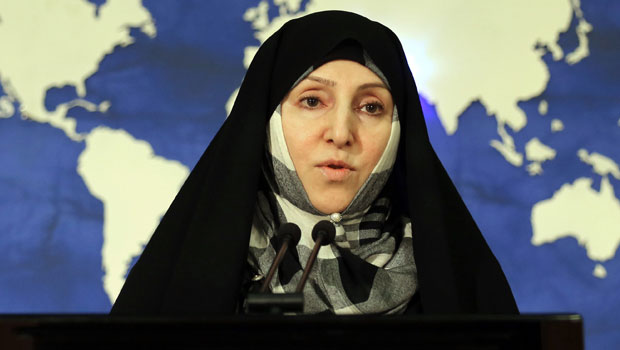
In an epoch where women are reclaiming their voices and rewriting their narratives, the appointment of Iran’s first female ambassador since the Islamic Revolution is nothing short of revolutionary. This elevation of Marzieh Afkham to the arch of diplomacy can be heralded as a thrilling moment in a country where women’s freedoms have oscillated dramatically and often suffocated under stringent patriarchal norms. What does this pivotal appointment signify? Is it a mere symbolic gesture, an opportunity for Iran to spruce up its international image, or indeed a harbinger of systemic change? Let’s dive deep into this multifaceted dialogue.
The Context: A Historical Backdrop to Feminism in Iran
To grasp the implications of appointing a female ambassador, we must first understand the staggering historical context. The Islamic Revolution of 1979 reshaped the Iranian sociopolitical landscape, curtailing women’s rights drastically. Women’s rights activists were purged, and once-liberal regulations began to collapse like a house of cards. Hijab enforcement replaced a more secular thread of society, yet women persistently clawed back, challenging the narrative imposed upon them.
Consider the harrowing paradox: women in Iran have higher literacy rates than many developing nations; they outnumber men in universities yet are systematically underrepresented in political offices. This incongruity echoes throughout the halls of power and presents a duality that is as disconcerting as it is invigorating. The appointment of a female ambassador is positioned within this historical continuum, carrying the weight of generations yet also hinting at change.
Breaking Barriers: The Symbolism of Afkham’s Role
The role of an ambassador is laden with connotations—diplomacy, negotiation, representation, and most critically, visibility. When a woman assumes such a role in a nation where she has often been relegated to the sidelines, it is a loud declaration: women belong in spaces of power, and they will assert their rightful place. Some may dismiss this as mere window dressing, yet to conflate symbolism with insignificance is folly. It is in these seemingly ‘small’ victories that movements gather momentum.
This appointment challenges not only domestic biases but presents an existential question to the global community: How do we evaluate progress? Are we relegating ourselves to victimhood, or are we claiming the apparatus of power for our narratives? Afkham’s position stands as a tangible agitation against the forces of oppression—an encouragement for women to grab the baton of visibility and run with it.
The Challenges Ahead: Navigating the Patriarchal Waters
While Afkham’s appointment is commendable, we cannot afford to rest on our laurels. With every step forward, there are tentacles of patriarchy wrapped tightly around the sociocultural milieu, ready to strangle any perceived audacity. The realm of diplomacy is rife with complexities, and a woman holding an ambassadorial position invites scrutiny that her male counterparts may seldom encounter. Can she navigate this labyrinth of bias, or will she be diminished by the weight of expectation?
Furthermore, Afkham is tasked not just with representing Iran but embodying a narrative fraught with contradictions. What happens if she speaks out on women’s issues? Will she become a beacon of hope or a target for backlash from hardliners? This is where the stakes are heightened—will she empower fellow Iranian women, or will the prevailing tides coerce her back into the shadows?
In this dance of diplomacy, an urgent question emerges: Do we want our female leaders to toe the line, or compel a reconsideration of it? The feminist movement has long grappled with the complexities of representation. Are we celebrating women merely for existing in spaces traditionally dominated by men, or are we demanding they use their platforms as harbingers of progressive change? Ambassadorship is a double-edged sword where the quest for representation must collide with the imperative for reformation.
Global Implications: What Does This Mean for Feminism Worldwide?
The ramifications of this moment extend far beyond the borders of Iran—it resonates globally, speaking to the crux of feminist struggle. The narrative cannot be localized; it is a beacon for women everywhere facing similar constraints. From the streets of Kabul to the boardrooms in New York, the specter of patriarchy looms large. Afkham’s ascendance transports a message across geographies: it is time to bridge the divide between intent and action.
The uncomfortable truth is that the journey toward gender equality is neither linear nor devoid of challenges. To ignore the bumps along the road is to undermine the efforts of those who have fought tooth and nail for every inch of progress. This appointment must become a catalyst for women in politically tenacious environments to dose their aspirations with resilience and refuse to accept half-measures. How do we forge alliances across borders, ensuring that the struggles encountered in one nation do not remain isolated in rhetoric alone?
Provocative Reflections: Are We Ready to Champion Change?
As we celebrate this monumental appointment, we must also challenge our comfort zones. Are we merely spectators, cheering from the stands as if this were some theatrical performance, or are we prepared to engage in this dialogue with active intent? Feminism must be restless. It cannot settle for token representation or platitudes masquerading as progress. It demands accountability, sincerity, and above all, action.
Marzieh Afkham’s role is not just an appointment; it is a battleground for ideation where every word and action is resonant. By elevating her to a position of power, Iranian society has an opportunity to reevaluate its constructs surrounding gender. If she makes waves, it sets the stage for ramifications that could ripple through the entrenched structures of patriarchal dominance.
In the end, as we grapple with the complexities of this issue, let’s invite fervent discussion rather than passive acceptance. Let’s question what it means to empower women in a society still shackled by traditions that dismiss their autonomy. Let’s challenge each other not just to rejoice in this singular accomplishment but to strategize how to leverage it for more profound systemic changes across the globe.
The appointment of Iran’s first female ambassador is not where the discussion ends; it is where it should begin. In the realm of feminism, let it be the catalyst that ignites a firestorm of dialogue, action, and relentless pursuit for change—both in Iran and beyond. The question now beckons: How will you contribute to this evolving narrative?