

















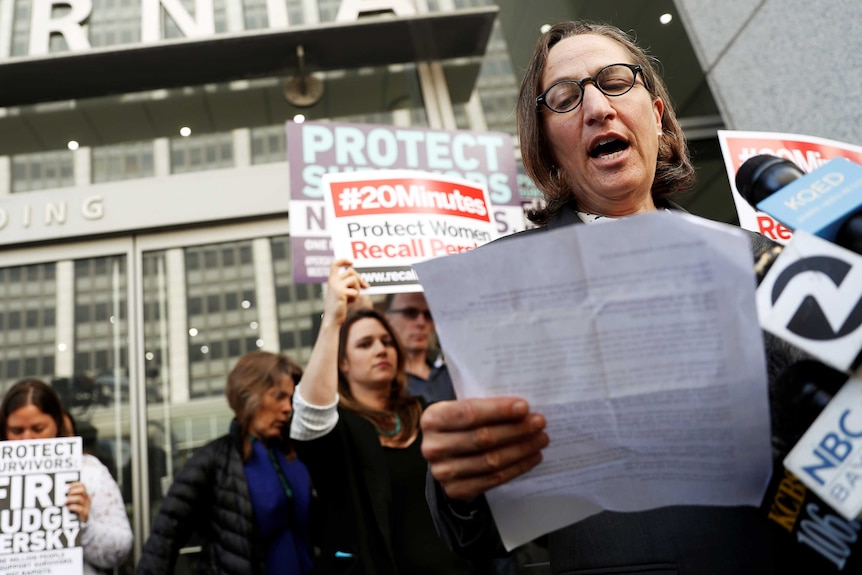
In an era where the voices of survivors crescendo louder than ever, the recent news surrounding the potential removal of a judge for their leniency in handling domestic violence cases is not just a legal plot twist; it is a resounding call to arms for feminism. The justice system is charged with the sacred duty of protecting the most vulnerable in society, particularly women who are often the collateral damage of a patriarchal framework. This decision has implications that trudge far beyond mere legal proceedings. It resonates with societal norms, challenges systemic misogyny, and invigorates the feminist movement.
The precarious balance of justice and leniency is no small matter. Especially when it pertains to domestic violence—a scourge that manifests in physical, emotional, and psychological terrors. If a judge, historically positioned as a steward of justice, exhibits an attitude steeped in leniency towards such heinous acts, it should raise alarm bells. Is it mere incompetence, or does it reflect a broader societal indifference towards the plight of domestic violence survivors? The fallout from judicial leniency goes beyond legal ramifications; it seeps into the very fabric of societal attitudes towards gender-based violence. Understanding this connection is crucial for feminists urging for systemic change.
When discussing the critical nature of judicial decision-making, it is essential to navigate the murky waters of bias. The judiciary is often viewed as a beacon of impartiality, yet it is crucial to interrogate who occupies those benches and the ideologies they espouse. A judge’s lenient stance may not be an isolated incident; it could be indicative of a culture that perpetuates innocence for perpetrators while victim-blaming survivors. This phenomenon signals a dire deficiency in understanding the dynamics of domestic violence, where power and control are wielded ruthlessly by abusers. The weighty question remains: how many more survivors are lost in the labyrinth of a judicial system that falters in its duty?
The dynasty of judicial leniency does not merely exonerate abusers; it threatens to normalize the normalization of domestic violence within society. When judges opt for light sentences, they inadvertently indoctrinate a culture that drowns out the voices of those who have suffered. Laws are only as effective as their application. When a lenient ruling emerges, it whispers that the consequences of violent actions are negotiable—an absolutely absurd and alarming notion. This legal ambivalence can have far-reaching ramifications, potentially influencing public perception and perpetuating dangerous narratives surrounding victimhood and accountability.
Moreover, the stigma surrounding victims of domestic violence plays a pivotal role. While courts should operate with compassion and severity, prevailing societal misconceptions often render victims as unreliable narrators of their experiences. Such myths fuel judicial leniency, as judges may underestimate the debilitating effects of trauma, leading them to issue disproportionately light sentences. Therein lies the critical intersection of feminism and judicial integrity. By advocating for robust legal repercussions against domestic violence, feminists push back against the tropes that trivialize victim narratives, amplifying their dire need for justice.
This unfolding drama does not exist in a vacuum. Rather, it reflects a broader narrative in which feminism plays an increasingly vital role. The awakening of societal consciousness around gender-based violence represents a watershed moment. When a judge’s possible removal becomes a public outcry, it signals that we are not prepared to remain silent or complacent about judicial failings. The collective fury over leniency shines a spotlight on systemic injustices, and pushes the conversation into public discourse—a critical domain for effecting real change.
Feminism seeks to dismantle the corrosive belief that leniency towards abusers is an acceptable judicial approach. This emphasis on accountability transcends the courtroom; it invigorates community standards, demanding that every facet of society aligns with the unequivocal message that we will no longer tolerate the erasure of survivor voices.
The nuances of legal procedures must align with the realities faced by victims. This is not merely about punishing offenders, though that is undeniably important; it’s about creating an unassailable framework wherein survivors can feel seen, heard, and validated. Demanding a rigorous legal examination of cases surrounding domestic violence calls for a seismic shift in how we perceive justice. Feminists advocate for a judicial system that acknowledges the complex nature of domestic abuse, recognizing it as not only a crime but a profound violation of human dignity.
Consequently, the stakes swiftly escalate in the discourse surrounding judicial leniency. With the possibility of a judge’s removal, we see an assertion of accountability—a necessary redress in response to the historical impunity that has enveloped those who commit acts of intimate terrorism. It is this critical juncture that mobilizes the feminist perspective: we are reclaiming justice as a space where empathy and severity coalesce in the name of restoration for victims.
Judicial accountability resonates deeply within a feminist framework, as activists demand systemic change. The lesson is clear: broken systems can be mended through scrutiny, advocacy, and courageous conversations. Shifting the dynamics of power begins with a reevaluation of those in authority, particularly in contexts where women’s lives are at stake. The appropriate handling of domestic violence cases will not only affect individual lives, but it will catalyze a broader societal transformation. The removal of lenient judges serves as a clarion call—significantly signaling a societal unwillingness to tolerate conscription of violence against women.
As discussions of judicial leniency flourish, it is imperative that we fortify our resolve as a society. The decisions made in courtrooms ripple out to communities, shaping the very definitions of justice, resilience, and survivor rights. We must gather strength from these moments, rallying for mechanisms that enhance legal safeguards for victims of domestic violence. Feminism must continue to challenge the prevailing norms that have historically embraced leniency for offenders while crushing the spirits of survivors.
In conclusion, judges are more than arbiters of the law; they embody societal values and ethics. Therefore, the potential removal of a judge for leniency in domestic violence cases transcends the painful reality faced by countless victims—it is a potent reminder that the journey towards true justice remains an unyielding struggle. Feminism, a relentless force for change, must seize this opportunity to reframe cultural dialogues around gender-based violence, galvanizing public sentiment towards a comprehensive understanding of justice that staunchly defends the rights of all survivors.