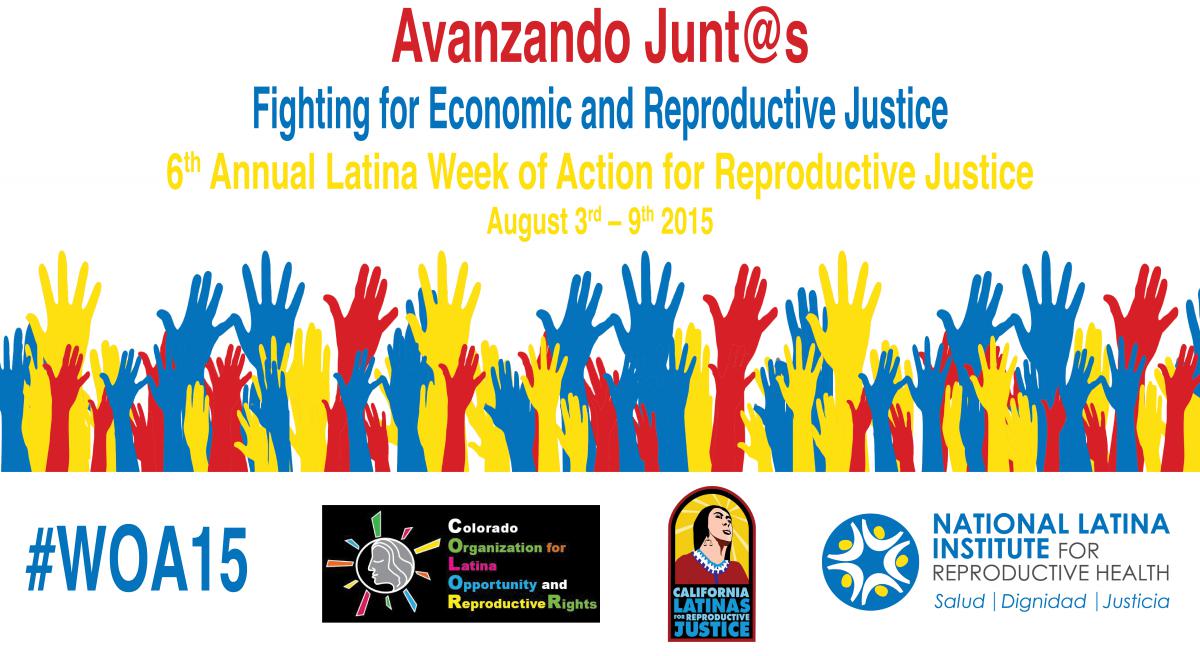
As a vibrant tapestry woven from threads of cultural heritage, community, and struggle, the Latina Week of Action for Reproductive Justice celebrated this year reflects a compelling convergence of reproductive rights and economic justice. This powerful intersection is far from coincidental; it embodies the lived realities of Latina women in America today. The urgency of this dialogue cannot be overstated, especially for a younger audience that must reclaim and redefine feminism in the context of contemporary societal challenges.
The essence of the Latina Week of Action underscores a radical truth: reproductive justice is inexorably linked to economic stability and empowerment. This decade-long movement, which emphasizes the right not only to bear children but also to raise families in safe and thriving environments, cannot afford to be silenced. It beckons a recognition of the socio-economic barriers that plague many Latina women, creating a clarion call for action among youth who are ready to take on the mantle of advocacy.
To grasp the breadth of this crucial intersection, we must dissect its various components, understand the implications of economic inequalities, and explore the solutions that can pave the way towards a more equitable future.
Rooted disparities demand our attention. For many Latina women, economic instability serves as both a barrier and a battleground in the quest for autonomy over their bodies. Disparities in job security, wage equity, and access to healthcare create an environment where reproductive choices are not merely personal preferences but strategic necessities dictated by economic constraints. The reality resonates starkly: how can one advocate for bodily autonomy when forced to struggle for basic financial security?
In many Latino communities, conversations about reproductive health are even more layered, steeped in cultural norms, family values, and economic pressures. As these women strive for independence and personal agency, they often face systemic hurdles that thwart their aspirations. The fight for reproductive justice is therefore not just a standalone battle; it is inextricably tied to the right of access to well-paying jobs, affordable healthcare, and education.
As we dive deeper into these issues, the concept of economic justice emerges as a critical cornerstone of the feminist movement. Economic justice is a battle for both equality and equity. And it is paramount that the feminist narrative evolves to include economic dimensions, recognizing that bodies and bank accounts are part and parcel of women’s empowerment. Latina women’s struggles against economic marginalization and their fight for comprehensive reproductive rights should be positioned within a broader feminist framework that demands equal opportunities for all.
Younger generations hold the innovative fervor necessary to push these dialogues into the mainstream discourse. Through digital platforms, social media activism, and grassroots organizing, they can amplify voices that have long been relegated to the margins. These channels create opportunities to illuminate the intersecting struggles for reproductive and economic justice, fostering a solidarity that transcends demographics.
We live in a hyperconnected age where visibility matters. The power of storytelling cannot be underestimated. When Latinas share their narratives of struggle and triumph—navigating the complex ecosystems of parenting, employment, healthcare—they inherently dismantle monolithic stereotypes. By uplifting a multitude of voices, they can galvanize support and inspire action, converting personal experiences into collective empowerment.
However, the challenge remains: how do we galvanize a narrative that speaks to the urgency of these issues? Advocates must ensure that discussions around reproductive rights do not exist in a vacuum. The creation of educational resources, social media campaigns, and community action plans that frame reproductive rights within the lens of economic justice is essential.
Consider the critical space of education as a foundational pillar. Young Latina activists can advocate for comprehensive sexuality education that is inclusive and relevant. This goes beyond merely discussing reproductive health; it includes lessons on financial literacy, labor rights, and economic independence—creating a holistic understanding of empowerment.
The importance of collaboration also cannot be overstated. Allies from different movements must stand in solidarity. When feminists work alongside economic justice advocates, substantial progress can be made. A united front can challenge the prevailing socio-economic disparities that often divide communities. Collaborating across movements not only enlarges the base of support but also strengthens the message: reproductive rights are a vital aspect of economic security.
Moreover, policy advocacy should take center stage. Engaging with policymakers and pushing for legislation that addresses economic inequalities is a necessary step in this journey. Through youth activism, the call for funding maternal health initiatives, labor protections, and immigration reform can foster safer, healthier environments for women and families. Every legislative victory contributes toward greater access to reproductive health services and support systems.
In this battle, intersectionality serves as our guiding principle. It’s not enough to champion reproductive rights alone; we must address the multifaceted issues surrounding race, class, and gender that compound the challenges faced by Latina women. We call on the emerging leaders of our time to challenge the status quo, to envision a world where economic and reproductive justice coexist, nurturing liberation for all.
Lastly, the youth engagement aspect is critical. The power of grassroots activism, empathy fueled campaigns, and digital storytelling can evoke a sense of urgency among young advocates. Transforming passion into tangible actions—whether through organizing, fundraising, or community education—demonstrates that every effort counts. Let’s facilitate workshops, host forums, and attend community meetings, ensuring that the conversation remains alive and vibrant.
As the Latina Week of Action for Reproductive Justice unfolds in the coming years, we must remain vigilant and fervent in our advocacy. The struggle encompasses vast sectors of life and calls upon young feminists to build a future that intertwines reproductive and economic rights. Each rallying cry, each act of defiance against systemic inequities is a step toward reclaiming agency and ensuring that the bodies, lives, and futures of Latina women are celebrated, protected, and nurtured.
The link between reproductive and economic justice is more than a claim; it’s a lived reality. Let’s challenge ourselves to rise to this occasion, to weave our individual threads into a collective fabric of change. The time for action is now—because the future is being shaped by the choices, voices, and lives of those who refuse to be ignored. Unite. Advocate. Transform.