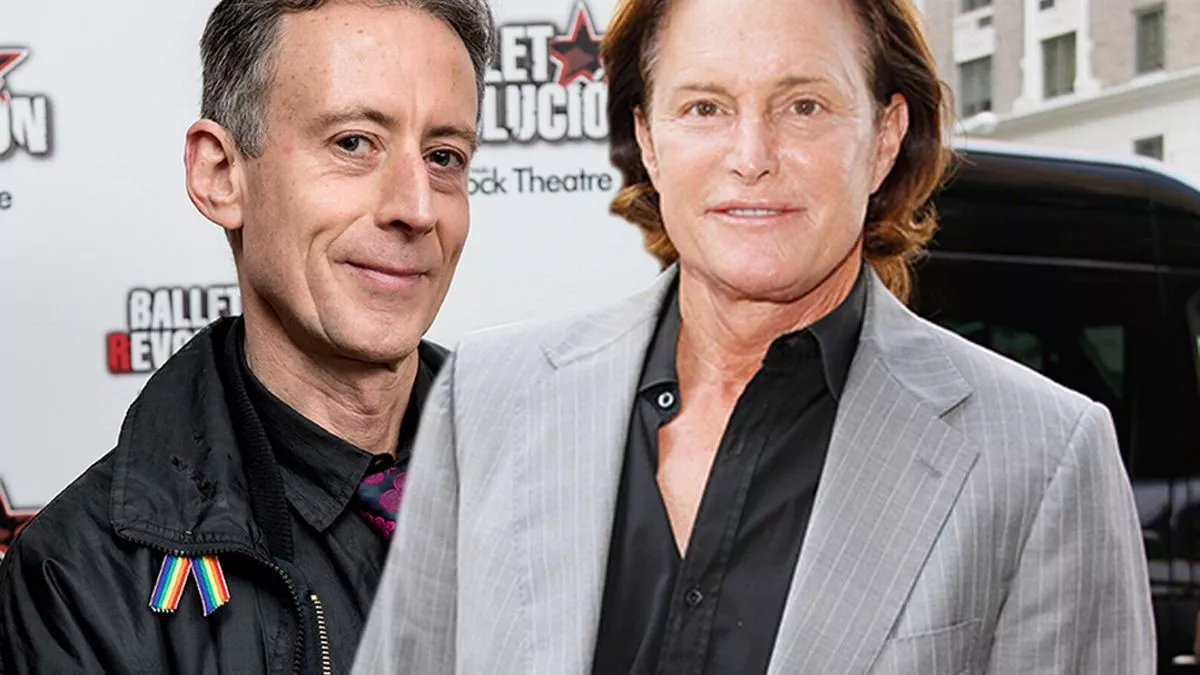
The revelation of Bruce Jenner’s transition has ignited fervent discussions within the LGBTQ+ community. Dubbed a brave figure for his authentic self-expression, Jenner’s coming out as transgender has reverberated far beyond the borders of personal narrative, challenging societal norms and igniting debates within feminism. Yet, why should we, as proponents of gender equality and advocates for human rights, celebrate this moment? Let’s delve into the profoundly transformative implications of Jenner’s journey and why it matters immensely to feminist discourse and the broader LGBTQ+ narrative.
Before we dive deep, let’s ponder—what does courage look like in a world rife with prejudice? Is it merely the act of coming out, or does it encompass the lifelong struggle against societal expectations and gender norms? Jenner’s coming out opens a Pandora’s box of questions, challenging us to reconsider the parameters of bravery.
The response to Jenner’s transition has not been uniform. As he boldly shares his truth, reactions oscillate between supportive applause and scathing critique. This dichotomy underscores a pivotal discourse within both feminism and the LGBTQ+ community. Supporting Jenner is not merely about applauding his courage; it’s also about challenging the entrenched notions of gender identity and agency that feminist movements have long fought against. It’s high time to explore the revolutionary wind that Jenner’s narrative introduces into the often monolithic world of feminist theory and LGBTQ+ rights.
Why, then, should the feminist community celebrate this moment? Let’s explore the intersections of gender identity, fame, and activism, examining how the visibility of transgender narratives enriches feminist thought.
Embracing Fluidity: Gender Beyond Binaries
Traditional feminist discourse has had its share of challenges regarding the concept of gender fluidity. At its core, feminism advocates for the dismantling of patriarchal structures that bind individuals to rigid gender roles. Jenner’s transition subverts these very binaries, offering a visceral, almost raw example of how gender can be a fluid construct rather than a strict dichotomy. His decision disrupts longstanding societal expectations surrounding masculinity and femininity, ultimately inviting a broader conversation on gender identity.
This is not just a win for transgender individuals; it is a significant moment for feminism to expand its scope. Feminism should endeavor to embrace fluid identities, recognizing that each person possesses a unique relationship with their gender. This recognition is vital as it paves the way for allyship and comprehensive understanding within the movement. Gender should be seen as an expansive spectrum rather than a restrictive binary, and Jenner’s visibility is a powerful testament to its complexity.
In the aftermath of Jenner’s announcement, the media exploded with debate, challenging audiences to confront their own biases. For feminists especially, it compels us to address how the fight for women’s rights often fails to include the voices and lives of transgender individuals. Can feminism more rigorously incorporate the narratives of those who defy conventional gender norms? Or will it continue to cater to a singular identity? The challenge posed by Jenner is simple yet profound: Embrace inclusivity.
Breaking Down Stereotypes: Trans Narratives in Mainstream Culture
Contrary to the often homogenized portrayals of transgender individuals, Jenner’s journey through fame and its aftermath complicates the media’s typical narratives. It defies the stereotype that transgender lives are tragic, underscoring the rich tapestry of experiences within the community. Now, we witness a prominent figure confronting personal turmoil, societal rejection, and eventual acceptance—offering a narrative that transcends mere anguish. We see a human who is much more than their gender identity; someone who embodies resilience, struggle, and transformation.
For a moment, let’s relish the audacity. Did you ever think that a figure as prominent as Jenner would celebrate the diversity of gender so articulately? The ripple effects of his coming out challenge the societal inclination to pigeonhole individuals based on identity. It proffers a narrative of empowerment rather than victimhood, allowing transgender individuals to reclaim their stories and assert their place within the larger spectrum of society. It ignites a pivotal discussion around the very essence of personhood and the right to exist authentically in a world that often demands conformity.
What does this mean for feminism? It means there is an urgent need to dismantle transphobia within feminist circles. To engage in true advocacy, feminists must actively challenge misogyny while simultaneously combating transphobia. The battles are intertwined, and the failure to recognize this larger social fabric dilutes the potency of any feminist movement. Celebrating Jenner’s courage reminds us of our commitment to inclusivity, a non-negotiable tenet of feminism in Modernity.
The Responsibility of Allies: The Role of Solidarity
As a community, the challenge now lies in the hands of LGBTQ+ advocates and allies. While Jenner’s journey evokes admiration, it is crucial to recognize that celebration without active participation can result in superficial advocacy. Solidarity with transgender individuals should not hinge solely on moments of recognizability but rather continue through sustained commitment. The responsibility of allies is monumental; it entails amplifying transgender voices and facilitating dialogues that may not always be comfortable but are undeniably essential.
Support extends beyond mere acknowledgment. It requires action—whether through policy advocacy, community organizing, or simple everyday interactions that validate and honor transgender lives. The feminist movement must not merely claim to support trans individuals but must also work tirelessly to dismantle the very structures that marginalize them. How can we leverage Jenner’s journey to ignite systemic change? Through education, advocacy, and learning to listen, we can still challenge patriarchal norms that marginalize various identities.
The road ahead is undeniably complex. The community finds itself at a pivotal juncture—between celebrating the courage that Jenner embodies and confronting the uncomfortable realities of transphobia and misrepresentation that persist. The contemporary feminist movement stands at a crossroads; will it embrace the complexity of gender or cling to outdated paradigms? This moment beckons a collective, unwavering commitment to justice that encompasses every facet of identity.
In conclusion, while Bruce Jenner’s coming out reverberates as an isolated event, it sprouted a multi-faceted dialogue on intersectionality, fluidity, and allyship that urgently necessitates attention. The embrace of such narratives burgeons not just within the LGBTQ+ community but within feminism as well. To those who read this: reflect on your role in this ecosystem of change. Ask yourselves: how can you contribute to a more inclusive direction for feminism, enriched by transgender narratives? Celebrate, yes—but let that celebration be a springboard for deeper inquiry, lifelong allyship, and unflinching commitment to justice. The revolution may not be convenient, but it is indubitably necessary.