

















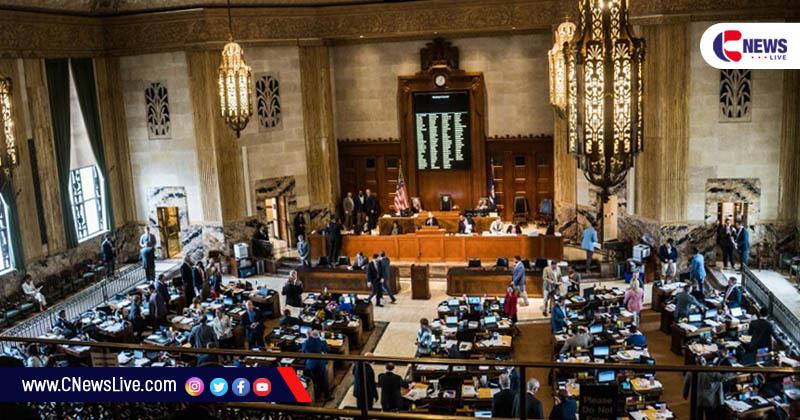
Louisiana’s recent approval of a series of anti-abortion laws strikes a particularly discordant note in the symphony of women’s rights. What does this say about the very fabric of feminism, and where do we, as advocates, draw the line in the sand? This state has not only thrown down the proverbial gauntlet, but it has also reignited a fervent discourse on autonomy, choice, and the stakes of reproductive rights.
It’s time we dive deep into what these laws signify—not only for women in Louisiana but for all of us who dare to fight for a world where women can make decisions about their own bodies. Buckle up, because this is more than just policies; it’s an ideological battleground.
Are women mere vessels?
Let’s begin with a simple yet profound question: Are women merely vessels for procreation? Louisiana’s passage of anti-abortion laws crafts a narrative in which women’s primary function appears to be that of childbearers. This narrative not only strips women of their agency but also relegates them to a role that mirrors antiquated patriarchal structures. Are we really saying that a woman’s worth is intrinsically linked to her ability to reproduce?
The imposition of restrictive abortion laws reverberates throughout society, igniting conversations about how women are perceived—both in the legal realm and social consciousness. By enforcing a belief that a woman’s choices should be limited based on reproductive potential, these laws dehumanize individuals who may choose not to reproduce, who may face pregnancy complications, or who simply seek control over their own lives. The very foundation of feminism rests upon the belief that women have the right to claim their identity outside societal expectations. Anti-abortion laws directly challenge that right.
Women’s health and the myth of “pro-life”
Let’s delve into the oft-misused term “pro-life.” How can we genuinely advocate for life when The Louisiana laws directly jeopardize the health and well-being of women? The narrative commonly espoused by anti-abortion advocates posits that they are champions of life—hence the “pro-life” label. However, an examination of the broader implications reveals a contradictory stance that prizes potential life over existing life.
Research illuminates that restricted access to abortion does not eliminate the need for it. Instead, it pushes women toward dangerous avenues—self-induced abortions or traveling to other states. In a state that claims to care for the sanctity of life, why are we not addressing the socioeconomic realities that lead to such heart-wrenching decisions? It seems hypocritical for a movement that champions life to ignore the fundamental needs of women, which often include access to comprehensive health care, education, and social support. Instead of fostering an environment that supports the nurturing of life—be it fetal or maternal—Louisiana’s policies restrict essential healthcare, perpetuating cycles of poverty and inadequacy.
Empowerment or disenfranchisement?
Another compelling point to consider is the notion of empowerment versus disenfranchisement. Louisiana’s anti-abortion laws emerge as mechanisms of control rather than empowerment. Lawmakers may claim these measures serve to protect women and guide them toward motherhood, but in reality, they impose draconian limitations on women’s rights. How can we define empowerment in a landscape where choice is criminalized?
True feminism is built upon the idea of choice, a concept that recognizes the inherent autonomy of women to make decisions about their bodies and futures without state intervention. Allowing a woman to choose whether to carry a pregnancy to term is an intrinsic human right, and any infringement upon this blights the fabric of true equality. Additionally, by positioning motherhood as the optimistic outcome and devaluing the myriad routes women may choose, we risk cultivating a society in which women feel pressured to conform to a single narrative.
A nuanced approach to sex education and contraception
When we talk about abortion, we can’t skirt around discussions surrounding sex education and access to contraception—these are intrinsically linked issues. The question arises: why are states like Louisiana so swift to pass laws that punish women without concurrently investing in education and preventive measures?
Effective sex education in schools could drastically reduce the number of unplanned pregnancies, thereby naturally diminishing the demand for abortions. However, stringent conservative ideologies often resist comprehensive sex education, veering toward an abstinence-only model that frequently leaves students uninformed and unprepared. Isn’t it a disservice to empower the next generation of women with comprehensive knowledge about their bodies? Without appropriate contraceptive options and proper education, the cycle of reliance on restrictive laws continues unabated.
It’s more than just a state issue; it’s a national call for action
Finally, while Louisiana’s laws represent a localized threat, they are symptomatic of national trends threatening reproductive rights across the United States. One does not need to look far to find similar measures popping up in various states, an alarming testament to a wider ideological shift. Feminists everywhere must rally against this movement, forging coalitions that encompass a diverse array of voices. These laws do not merely affect women in Louisiana; they set precedents that may embolden lawmakers elsewhere to pursue similar trajectories, chipping away at the autonomy of women as a national strategy.
Feminism calls upon us all to take action. This isn’t merely an issue for women; this is a human issue. By allowing lawmakers to impose restrictions on women’s bodies, we invite a system that perpetuates systemic inequality. Every voice matters, every protest counts, and every act of solidarity is a step towards reclaiming rights that should never have hung in the balance.
So we must ask ourselves: in the face of these new laws, what will you do? Will you turn a blind eye to the burgeoning assault on women and their rights? Or will you rise to the occasion, and embolden others to join the fight? The choice is yours—and as we know, choice is everything.