

















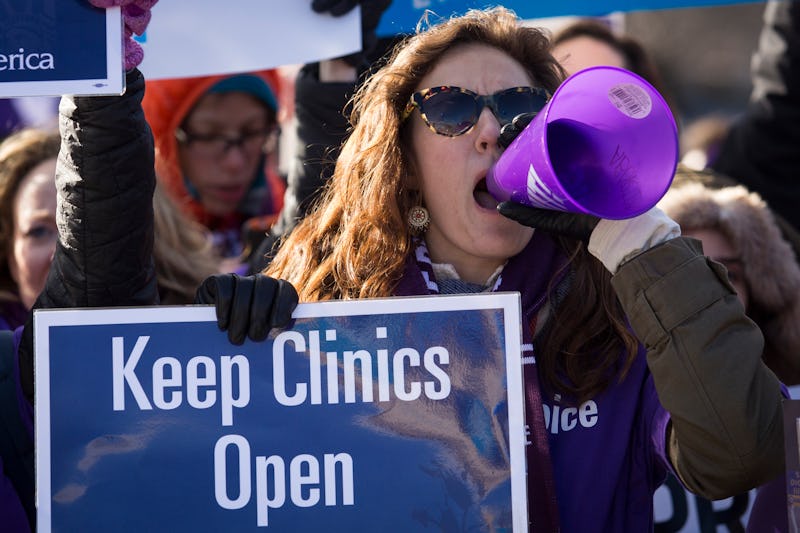
In the increasingly polarized arena of reproductive rights, the Louisiana legislature has recently emerged as a battleground for the latest skirmishes over abortion access. This bold affront to female autonomy raises profound questions about power, control, and the socio-political dynamics that dictate women’s healthcare. As advocates for women’s rights, it’s crucial to dissect what these new restrictions entail, how they affect the lives of countless individuals, and the broader implications for feminism and equitable access to reproductive healthcare.
Louisiana’s enacting of stricter abortion laws is not merely a localized incident; it reverberates through the fabric of feminist discourse. With each new law signed into effect, the state signals an alarming precedent that seeks to undermine the hard-won battles for bodily autonomy and fundamental rights. It is an affront not only to women but to all committed to justice, equality, and human dignity.
To fully grasp the implications of these enacted restrictions, one must consider the various layers of consequence these legal maneuvers orchestrate within the larger socio-political landscape. The ramifications reach far beyond the immediate and infiltrate the very essence of what it means to empower women in today’s society.
Today, let us delve deeper into the specifics of the restrictions, the social implications, and the feminist response that must be articulated in firm and resounding terms.
The New Legislative Landscape
The recent legislative measures enacted in Louisiana represent a collective desire to restrict access to abortion under the guise of protecting life. However, it is essential to recognize that these laws effectively serve to limit choice and bodily autonomy. One of the most salient aspects of these restrictions is the imposition of waiting periods and mandatory counseling that often includes misleading or inaccurate information about the consequences of abortion. This tactic is not merely bureaucratic; it is insidiously designed to sow doubt, delay, and ultimately dissuade women from exercising their rights.
Furthermore, the introduction of gestational limits, which categorize abortion as illegal after a specified term, further diminishes a woman’s ability to make decisions regarding her own body. These regulatory barriers disproportionately affect low-income women and women of color who may already be navigating systemic inequalities. The intersection of race, class, and gender reveals a disturbing portrait of how these legislative choices exacerbate existing injustices rather than ameliorate them.
The Disconnect Between Policy and Reality
The Louisiana legislature’s actions starkly illustrate a profound disconnect between policymakers and the realities faced by women who seek abortion services. The rhetoric surrounding these laws often emphasizes sanctity and morality, yet it completely disregards the complex and deeply personal circumstances that lead individuals to seek abortion care. This blinkered perspective generates an environment where women are treated as mere vessels of reproduction rather than as individuals with agency and intellect.
Statistically speaking, the overwhelming majority of women who seek abortions do so due to socioeconomic factors, health concerns, or personal circumstances. These considerations are often glossed over in political conversations, painting a one-dimensional portrait that fails to capture the nuanced experiences of those directly affected. Feminism has always been about amplifying voices that are often silenced; the time to act is now, lest we allow biased political narratives to dominate the conversation.
Legislative Disregard for Health and Safety
The restrictions enforced by the Louisiana legislature also raise significant concerns regarding the health and safety of individuals seeking abortion care. Facilities that provide these crucial services face heightened scrutiny and increased operational burdens, which may result in closures, further tightening access for those who need it most. As clinics shutter their doors, the reality becomes stark: women will seek alternatives, often resorting to unsafe methods that endanger their lives.
To characterize these measures as protective is a profound misrepresentation of their consequences. When politicians prioritize ideology over the well-being of constituents, they effectively create a public health crisis. This reality starkly contradicts the very foundations upon which legislations should be built: to protect and serve the population’s best interests. Feminists must challenge this blatant disregard for health outcomes and insist on policies that empower informed choice, rather than impose archaic ideologies.
Intersectional Feminism: A Call to Action
The fight against these restrictive measures is not solely about the right to choose. It dovetails into the broader struggle for intersectional feminism, highlighting the need for a holistic approach that accounts for race, class, and gender disparities in healthcare access. Women of color, LGBTQ+ individuals, and those from marginalized communities are often at the forefront of these battles, yet their stories remain sidelined in legislative discussions. To rally effectively against these injustices, one must center the voices of those most affected.
Activism must be fierce and persistent. Feminists are called upon not just to oppose unjust laws, but to forge alliances that transcend traditional methodologies. Engaging in grassroots organizing, leveraging social media, and promoting comprehensive sex education are essential components in dismantling oppressive structures. The power of collective action cannot be underestimated; it is in unity that marginalized voices can forge change.
The Future of Abortion Access in Louisiana
The future of reproductive rights in Louisiana remains uncertain; however, what is clear is that complacency is not an option. Philosophies that seek to curtail rights under the pretense of moral superiority must be challenged resolutely and vociferously. As the political climate in Louisiana continues to evolve, the fight for bodily autonomy must remain steadfast.
Advocacy organizations, alongside grassroots movements, must illuminate the pervasive inequalities exacerbated by these legislative restrictions. They should bring attention to the lived experiences of women and the stigma surrounding abortion, which serve to silence critical conversations around reproductive health. The resilience of feminst activism is evident, and it is this very fervor that must be harnessed to ensure a future where every individual has the right to make informed choices about their own bodies.
A Deeper Reflection on Feminism
The enactment of new restrictions around abortion access in Louisiana illustrates a broader struggle faced by feminists everywhere: the unyielding quest for ownership over one’s body and reproductive choices. As legislative bodies attempt to dictate what women can or cannot do with their bodies, the feminist movement must respond with clarity, unity, and an unshakeable commitment to justice. The fight for reproductive rights is intrinsically linked to the fight for equality in all spheres of life, underscoring the necessity of solidarity in this ongoing struggle.
In conclusion, the Louisiana legislature’s actions serve as a glaring reminder of the work that remains undone in the pursuit of gender equality and justice. There can be no true feminism without the empowerment of all women, and it is imperative that we champion the rights of those who are systematically stripped of agency. The time for this reckoning is now.