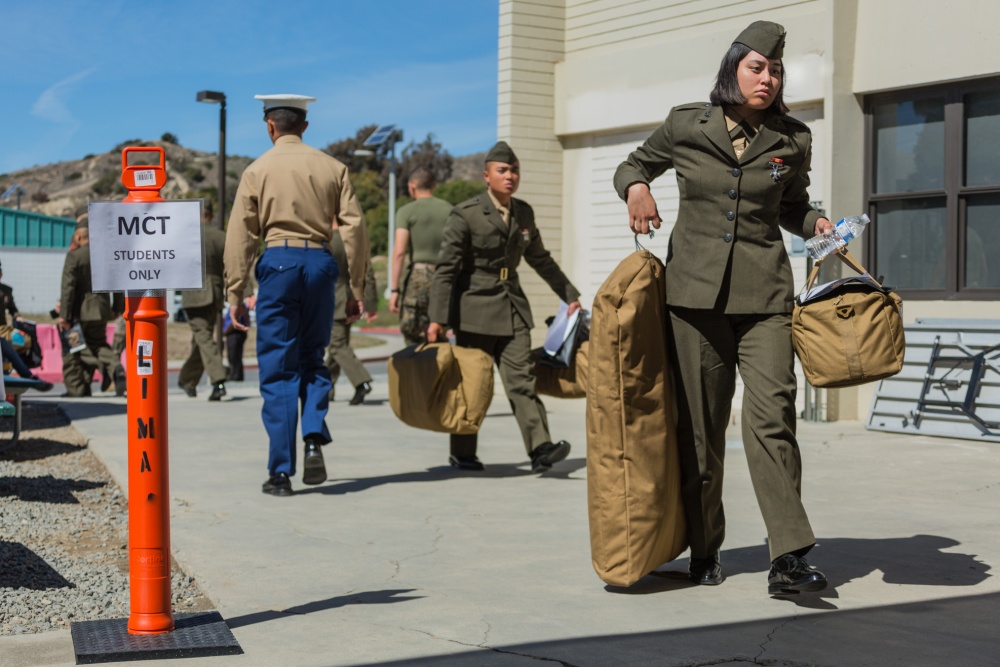
The Marine Corps has taken a groundbreaking step in integrating women into combat training, a pivotal moment that reverberates through the feminist movement. This historic move, emblematic of a broader cultural shift, invites an introspective examination of gender roles, equitable opportunities, and the very essence of military service. As we delve into the implications of this decision, we must dissect both the euphoric triumphs and the challenging complexities that accompany such a monumental transition.
The inclusion of women in combat roles is not merely a progressive policy shift but a reflection of the evolving ethos surrounding gender and warfare. The traditional notion of valor, strength, and capability in the military realm has long been laced with masculine connotations. Yet, by redefining combat training inclusively, we shatter the antiquated limitations that have historically confined women to the peripheries of military service. This decision is a declaration that excellence and courage transcend gender—an impervious rebuttal to naysayers who argue that women lack the physical or psychological fortitude to serve in combat roles.
At the crux of this transformation lies the question of legitimacy. Can women authentically flourish in combat environments traditionally reserved for men? History provides insights, showcasing innumerable instances where women have defied expectations in warfare. From the ancient warrior queens to the brave female fighters in modern conflicts, female participation in combat is neither revolutionary nor new. Yet, systemic barriers have long stymied recognition and integration. The Marine Corps’ initiative now serves to illuminate the essential contributions women can and do make, a salient reminder that the narrative of heroism is not singularly male.
This historic policy shift signals a much-needed reexamination of the very fabric of military culture and how it aligns with contemporary feminist ideologies. Feminism has repeatedly advocated for dismantling barriers that inhibit women’s participation across various sectors—military service included. Yet, this inclusion is not merely a celebration of equality, but a potent emblem of empowerment and agency. For women, particularly those drawn to the rigors of military life, the opportunity to engage in combat training represents autonomy over their destinies, a liberation from archaic stereotypes festooned with fragility.
Underneath the celebratory rhetoric, however, lurks an array of complications and contradictions. The fight for gender integration within the military does not erase the realities of physical disparity, cultural biases, and institutional hesitance. Critics voice valid concerns regarding the purported notion that women are being integrated solely for political correctness or to appease social movements. The challenge lies in crafting a combat training ecosystem where safety, efficacy, and readiness do not stand subservient to the imperatives of diversity slogans.
As we address this complexity, we must confront the implications of integrating women into combat roles through a nuanced lens. Strength must be reframed—brawn is not the sole determinant of capability in combat. Rigorous training regimes that prioritize endurance, mental resilience, tactical acumen, and teamwork must recognize the myriad forms strength can take. The debate should not revolve around the physicality of women in combat but should shift towards how best to equip all Marines, regardless of gender, for the multifaceted demands of warfare.
It is worthy to contemplate the cultural ramifications of integrating women into historically masculine domains. Will incorporating female Marines irrevocably shift the culture of the military? Will it foment a new narrative transcending the toxic machismo that often characterizes military environments? The integration must be approached not merely as a numerical increase of women in uniform but as a platform for evolving the ethos of military camaraderie towards inclusivity and respect. Some may resist this change; a solipsistic adherence to tradition often breeds reluctance to accept the transformative power female participation embodies. Nevertheless, it is essential to foster dialogues that champion shared vulnerabilities and triumphs, underscoring that both women and men share the burdens and glories of military service.
Simultaneously, it is imperative to address the intersectionality inherent in this dialogue. The inclusion of women in combat training cannot be analyzed in isolation from the multifarious identities that women embody, including race, class, sexual orientation, and ethnicity. The Marine Corps’ initiative must be adamant in recognizing the unique challenges faced by women of color, LGBTQ+ women, and those from socio-economic backgrounds that have disenfranchised them. A truly equitable military must strive to provide a platform where all women can rise and shine, free from the shackles of systemic bias—a complex endeavor, but one we cannot shy away from.
The implications of this decision reverberate beyond military structures; they contribute to an evolving societal paradigm. When society witnesses women in combat uniforms, one begins to question and possibly dismantle preconceived notions of gender roles spanning different vocations and industries. The military, given its sacrosanct status within many cultures, serves as a stark prism through which broader societal standards can be scrutinized. The expansion of women’s roles in sectors deemed male-dominated necessitates a cultural awakening, an invitation to reexamine not only who holds the weapons but also who constructs the policies governing their use.
Furthermore, as women embrace these roles, it is crucial to remain vigilant against potential backlash. The historical trajectory of women’s progress is fraught with opposition. With the elevation of women’s status in combat training, we must anticipate sects of society rallying against this shift with fervor. The backlash underscores the deeply rooted patriarchal structures that resist change, clinging tightly to antiquated paradigms. Feminist movements must not falter; resilience must be our clarion call in the face of adversity, advocating for steadfast dialogue that bridges understanding and dismantles fear-fueled resistance.
Envisioning a future where women thrive in the Marine Corps’ combat ranks is an act of radical hope. However, we must confront unvarnished realities: institutional inertia, cultural reluctance, and defensive masculinity can act as insurmountable barriers. The military’s move is commendable, yet it invites an obligation to interrogate and rectify the systemic faults obstructing genuine equality and fellowship. Only through candid reflections and committed advocacy can we ensure that the path paved by these pioneering women manifests into a sustainable future of gender inclusivity in the military.
In summation, the Marine Corps’ decision to open combat training to women is an unprecedented milestone in feminist advocacy, challenging and redefining traditional narratives around gender and military service. It is a clarion call towards a more equitable and inclusive future, yet it is fraught with complexities that necessitate rigorous examination and sustained dialogue. The revolution is not solely procedural; it is existential, inviting us all to grapple with the questions it raises about strength, identity, and collectively shared humanity within the arena of service and sacrifice.