
















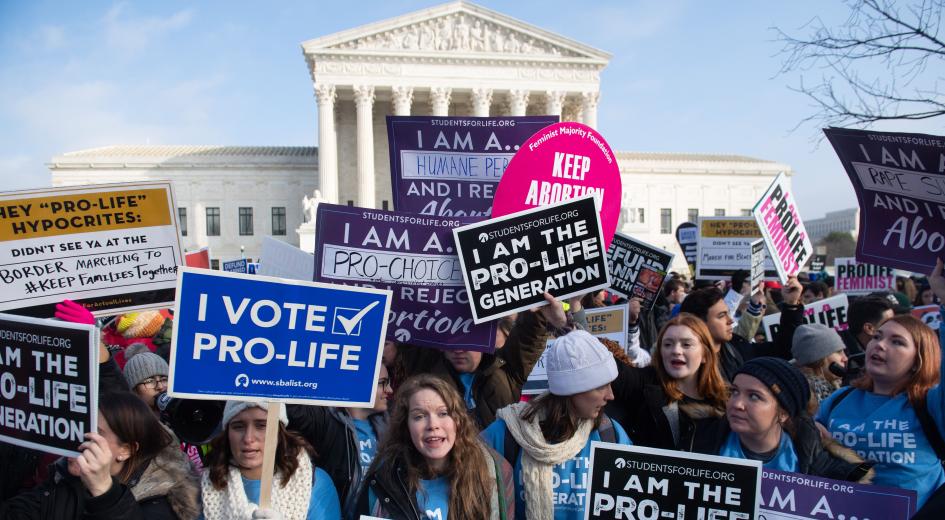
The 45th anniversary of Roe v. Wade marks not just a milestone in the journey towards reproductive rights, but also a clarion call to the feminist movement. Roe v. Wade is a polarizing decision that transformed the landscape of women’s rights and autonomy over their own bodies. While many tout it as a triumph of liberal progressivism, it is imperative to dissect the implications of this landmark case through a feminist lens, examining its ongoing legacy, the battles that remain, and the broader societal ramifications that echo through generations.
As we commemorate this anniversary, let us not indulge in a simplistic celebration of Roe v. Wade’s legal victory alone. Instead, we must confront uncomfortable truths about its legacy; truths that illuminate the complexities of choice, privilege, and access. In a world where reproductive justice remains elusive for many marginalized women, the reverberations of this 1973 ruling are far from straightforward.
The initial triumph of Roe v. Wade resounded with the promise of autonomy. For the first time in history, the Supreme Court asserted that the right to privacy encompassed a woman’s decision to have an abortion. This moment inspired future generations of feminists to advocate for bodily autonomy. However, one must interrogate the consistency of this fight and consider who it truly liberated. Did it obliterate the barriers faced by all women, especially women of color, women from low-income backgrounds, and those living in rural areas? The answer is a resounding no.
In the decades since the ruling, intersectionality has emerged as a guiding principle in feminist discourse, demanding that our understanding of rights and choices be inclusive of varied lived experiences. The original ruling may have opened a door, but it has not dismantled the walls that surround reproductive justice. Laws and regulations introduced in the ensuing years often target the women who need access the most, curtailing privileges to those who already navigate a world imbued with systemic inequities.
To dissect the contemporary implications of Roe v. Wade, we must delve into the fractured responsibility that accompanies reproductive rights. Feminism, at its core, is about equity—and equity means that everyone, regardless of socioeconomic status, race, or geography, deserves equal access to healthcare and personal choice. It is not enough to simply idolize the ruling; we must scrutinize the aftermath of its enactment and the ongoing struggle to ensure that all women can invoke the rights it promises.
Dissecting the Dichotomy of Choice
Reproductive choice exists within a dual framework that often pits women against each other—feminists who celebrate Roe v. Wade as a liberating force versus those who argue that true empowerment transcends mere legality. The very language of “choice” can alienate, particularly when the ability to make choices is heavily influenced by one’s socio-economic standing. The privilege inherent in the notion of choice can obscure the realities of women who cannot afford an abortion, navigate hostile environments, or access adequate healthcare.
Additionally, the rhetoric surrounding choice often neglects to address the pervasive stigmas that accompany abortion. Many women feel coerced into silence, grappling with the emotional ramifications of their decisions in solitude. Feminism must embrace the complexities surrounding these choices, advocating for a culture that not only protects the right to choose but also fosters an environment where women can candidly discuss their experiences without judgment.
The Grim Reality of Access
As we reflect on the legacy of Roe v. Wade, we must also confront the fragmented landscape of reproductive rights today. Many states have enacted laws aiming to dismantle the provisions secured by Roe, resulting in a landscape where access becomes a privilege rather than a right. Women in rural areas face extensive barriers, such as limited access to clinics and healthcare providers. Furthermore, marginalized communities continuously confront systemic hurdles that exacerbate their plight.
Studies indicate that women of color are disproportionately affected by restrictions surrounding reproductive health. This reality extends beyond individual choice; it reveals underlying structures of inequality that persist within our society. It is within this frame that feminists must operate, recognizing that reclaiming one’s body means dismantling the pervasive socio-political constructs that govern our choices.
Expanding the Narrative of Reproductive Justice
The legacy of Roe v. Wade invites feminists to expand their narratives surrounding reproductive justice. The fight for reproductive rights must intersect with a broader advocacy agenda that encompasses economic justice, health equity, and dismantling systemic racism. By fostering coalitions with other social justice movements, feminists can strive for a comprehensive understanding of what it means to attain true reproductive freedom.
This wider lens necessitates a more profound commitment to education and awareness, establishing community support systems that break down barriers. A fully realized feminist movement must reckon with its past, demanding accountability and inclusiveness rather than resting on the laurels of a Supreme Court decision that, while historic, too often fails to serve those who are most vulnerable.
Empowerment Through Advocacy
As advocates, feminists must take an unyielding stance on expanding access to reproductive healthcare. This includes fighting for policies that prioritize the needs of marginalized communities as well as dismantling oppressive regulations that hinder access. It means acknowledging the wealth of diverse experiences among women and centering the voices of those often silenced within the discourse on reproductive rights.
It is essential to equip the next generation with the tools necessary to advocate for themselves and each other, ensuring that they are prepared to engage in a nuanced dialogue about reproductive justice and rights. Teaching young people about intersectionality and the complexities of reproductive decisions will lay the groundwork for a more robust and inclusive feminist movement.
In reminiscing about the transformative importance of Roe v. Wade, it is crucial to foster an expectation of continuous evolution. The legacy of Roe is not static; it requires ongoing engagement and advocacy to manifest fully the ideals of justice and equity for all women. Simply put, the fight does not end with a court ruling. It burgeons into a movement that demands collective action, courageous dialogue, and unyielding persistence.
As we mark the 45th anniversary of Roe v. Wade, the feminist movement must recommit to an inclusive, intersectional approach that recognizes both the progress achieved and the battles that lie ahead. Let this commemoration serve as a rallying point, galvanizing our collective efforts towards a future where the promise of choice transforms from mere ideological victory into a profound reality for every woman, regardless of her background or circumstance.
History only recalls our victories if we actively engage with them. The narrative surrounding Roe v. Wade must transcend the confines of legality and evolve into a holistic call for reproductive justice, where every woman, indeed, shall have a voice and agency over her own body.