As we gather once more to commemorate the anniversary of Roe v. Wade, let’s not merely glance at this monumental event in reproductive rights; let’s confront it head-on with the complexity and vigor it deserves. The decision in 1973 didn’t just alter the legal fabric of the nation; it ignited an enduring battle—a fierce espionage in the realm of women’s autonomy. As feminist activists, it is our duty to dissect what Roe v. Wade means in the present socio-political landscape and why the ongoing struggle to preserve it is paramount. Those who dare to tread this terrain must be prepared; this conversation is about much more than legality—it’s personal, it’s visceral, and it requires us to confront uncomfortable truths.
So, what are we really celebrating here? For many, Roe v. Wade represents freedom—freedom to choose, to control one’s own body, and ultimately, to forge one’s own destiny. It’s an opportunity to dismantle archaic societal norms that have long oppressed half the population. Yet, as we toot our horns in celebration, let’s also yank the veil from the eyes of complacency and scrutinize the precarious state of reproductive rights today.
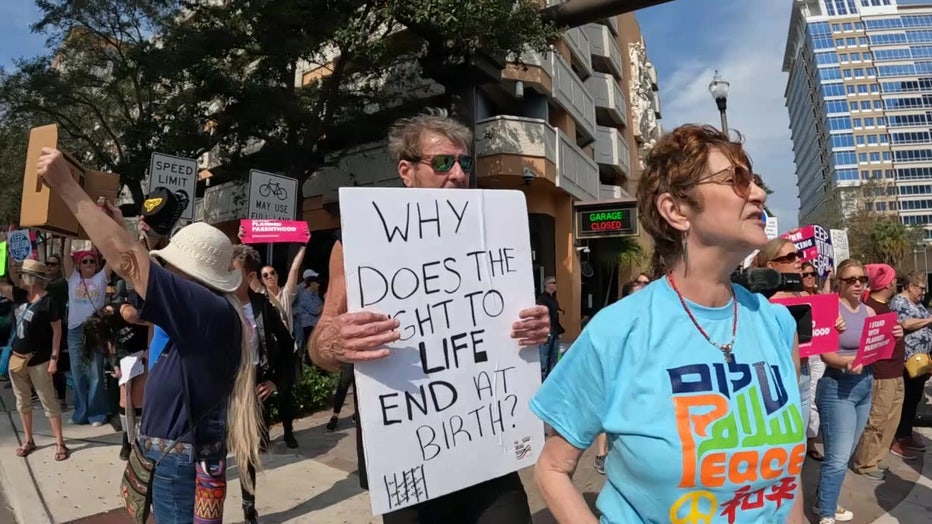
As pro-choice and pro-life activists converge to mark this anniversary, one must question why, in 2023, we are still wading through the muddy waters of this debate. Shouldn’t we have advanced beyond these antiquated discussions? Alas, Roe v. Wade is under siege, and as feminist activists, our role is to mobilize, educate, and invigorate the collective spirit for a cause that should not require justification— the preservation of agency over one’s own body. In a world that is ostensibly progressive, why must we shout slogans like “My Body, My Choice” as though they are novel concepts? The stakes are higher than ever, and the implications are profound.
What does it mean to celebrate Roe v. Wade today?
Let’s peel back the layers of what such a celebration represents amidst contemporary societal struggles. Not merely a commemoration, this is a clarion call for vigilance. Given the increasing legislative attacks on reproductive rights across the nation, we must consider the very real consequences of apathy. For many, celebrating Roe is not about cake and balloons; it’s about the right to live one’s life unencumbered by fear or societal judgment. It’s about young women—our sisters, our friends—having the freedom to chart their own futures without the threat of pernicious legal repercussions stalking them at every turn.
And yet, here we are, discussing access to abortion as though it’s a luxury rather than a fundamental human right. It’s absurd. The ability to choose whether to bring a life into this world is a choice that informs myriad aspects of an individual’s life, from education to career trajectories, from economic standing to emotional well-being. When we speak about Roe v. Wade, we’re talking about the scaffolding that supports women’s rights as a whole. This is not trivial. This is life-altering.
The Legislative Battlefield: A War on Women’s Rights
Now more than ever, the legislative battlefield resembles a precarious chess match, with advocates for reproductive rights position against a relentless opponent. Have we ever seen such aggressive efforts to roll back the rights won by Roe? As various states rush to impose their own draconian restrictions, it’s incumbent upon us to identify the subtleties that underpin this warfare. So, let’s take a moment to dissect the anti-abortion rhetoric that persists, often cloaked in the guise of morality—an insidious tactic that aims to undermine lived experiences in favor of dogma.
One of the salient points emerging from anti-abortion arguments is the abstract notion of “the unborn.” But wrestle with this—what of the living women? The nomenclature around the unborn often diverts attention from the tangible reality that far too many women face. The moment the debate heads toward the theoretical, we see a fracture—a disconnection from the arduous yet empowering journey of motherhood by choice. This is a calculated maneuver to create emotional distance, to distract us from the realities of women who face crises every day. And being confronted with such a straightforward plight, how do we, as modern feminists, simply stand idly by?
Choosing Life, Choosing Autonomy
Ironically enough, celebrating Roe v. Wade isn’t merely about defending an abstract legal principle; it’s about endorsing a multifaceted understanding of autonomy. It’s about recognizing that when proponents for choice suggest that life is not just biological but shaped by circumstances, they are inherently challenging a status quo that insists on moral absolutism. The ability to make choices empowers women, liberates them from silence, and allows them to carve out their positions in society. It encourages dialogue about equitable care—not simply for pregnancy itself, but also the socioeconomic support structures that should accompany motherhood, promoting healthy environments for both mothers and children.
So, as we rally together to champion Roe v. Wade, let’s also foster discussions on maternal health care, the economic ramifications of unplanned pregnancies, and the psychological impacts caused by restrictive abortion laws. Let’s breach the chasm of complacency and offer solutions that extend beyond mere opposition to harmful legislation. Let’s provoke discourse by asking hard questions: what does support for women truly look like? How can resources be expanded to ensure every woman feels empowered to make her choices? Are we prepared to be the stewards of constructive change?
The Path Forward: From Commemoration to Activation
In fear of falling into the ennui of passive celebration, we must pivot toward active engagement. Marking the anniversary of Roe v. Wade is not just about honoring a landmark decision; it is a rallying cry for continued activism. Whether it’s showing up at local marches, holding discussions in classrooms, or even wielding social media as a weapon of change, our voices have the capacity to forge new avenues for reproductive rights. An indispensable aspect of this journey is to amplify the stories of those whose voices are often hushed. Solidarity requires recognizing intersectionality, as low-income women often bear the brunt of restrictive abortion policies.
We cannot afford to treat the preservation of Roe v. Wade as an isolated issue; it intertwines with social justice, equality, and even economic rights. The task ahead compels us to unflinchingly challenge one another while simultaneously building coalitions that resonate with diverse experiences. There is strength in unity; ask yourself—how can you contribute? The tragic irony would be to allow the notion of choice to become subdued, relegated to hushed conversations, rather than amplified to its rightful prominence.
As we reflect on the past fifty years of Roe v. Wade, let’s pledge to not only celebrate but to confront the present and future head-on. The fight is, unequivocally, far from over. It’s about time we scrapped the passive celebration and launched into a vigorous campaign of re-activation. Let’s turn the anniversary of Roe v. Wade into more than just a remembrance; envision it as the birthplace of a renewed commitment to a future where reproductive rights are simply understood to be human rights. The road ahead beckons with optimism and urgency—will you answer the call?