In the unrelenting battle for bodily autonomy, we find ourselves examining yet another front: uterine fibroids. These benign tumors are often a source of physical suffering and emotional turmoil for many women. However, the emergence of mifepristone—a medication traditionally associated with medical abortion—opens a new frontier in the realm of feminist healthcare. As we delve into the implications of this drug, it becomes painfully clear that the fight for women’s health encompasses more than just reproductive rights; it is intertwined with the necessity of effective treatment options for all female-related health issues.
Fibroids aren’t just physical manifestations; they constitute a cultural battle arena, where women’s experiences of pain and discomfort are too often dismissed. Mifepristone, with its multifaceted applications, promises a seismic shift in medical treatment, illuminating the path toward better healthcare solutions. In this context, we must interrogate the intersection of healthcare innovation, feminist activism, and the unapologetic demand for women’s voices to be heard in medical discourse.
Thus, we set the stage for an intellectual exploration that seeks to make sense of how mifepristone stands to redefine the feminist narrative in the realm of uterine fibroids.
Understanding Uterine Fibroids: A Feminist Lens
To approach the topic of uterine fibroids through the lens of feminism, we must first comprehend their profound impact on women’s lives. These non-cancerous growths in the uterus can lead to a myriad of symptoms including severe pain, excessive bleeding, and reproductive challenges, essentially crippling the quality of life for countless women. Yet, despite being a prevalent condition, many women feel stigmatized or isolated when dealing with fibroids. The silence surrounding their existence reflects a broader societal neglect of women’s health issues.
The feminist perspective urges us to examine this silence critically. The medical community has historically marginalized women’s pain, often attributing it to psychological issues rather than recognizing it as a legitimate concern. In this context, mifepristone emerges as not just a pharmaceutical product but as a beacon of hope—offering a democratization of treatment options that are desperately needed in a world where women’s health remains under-funded and under-researched.
Breaking Down the Myths: Mifepristone’s True Promise
At the intersection of myth and reality, mifepristone presents an opportunity to disrupt prevailing narratives. Etymologically rooted in “mis,” meaning “wrong” or “false,” mifepristone challenges the stigmas associated with women’s reproductive health. This leads us to examine the multifarious ways in which it can alleviate the burden of uterine fibroids. Traditionally associated with abortion, its utility as a treatment option for fibroids has been woefully overlooked.
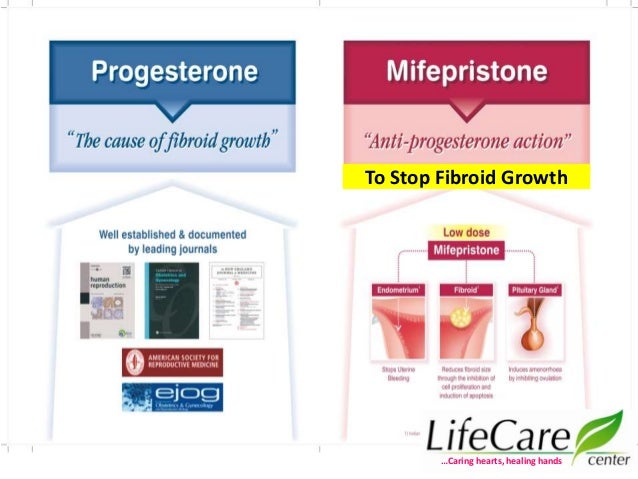
Mifepristone acts primarily by blocking progesterone receptors, a critical hormonal component in the growth of uterine fibroids. This mechanism has immense implications for women suffering from symptomatic fibroids. Imagine a treatment that could minimize bleeding, decrease painful symptoms, and ultimately improve quality of life. With such promise, it becomes imperative that we advocate for mifepristone’s inclusion in mainstream treatment options for fibroids.
By championing this medication, we also puncture the myths surrounding women’s healthcare. This supplement, if embraced by the medical community and society at large, serves as an emblem against the backdrop of ignorance surrounding fibroids. The acceptance of mifepristone is not merely a medical advancement; it is a statement of empowerment for women who have historically been told to endure their pain in silence.
A Shift in Healthcare Paradigms: Feminist Activism and Medical Decision-Making
The integration of mifepristone into treatment regimens for uterine fibroids encapsulates a broader desire for women’s active participation in their healthcare. As feminists, our advocacy transcends mere pharmaceutical approval; it demands a systemic change in how we approach women’s health. The introduction of mifepristone could elicit a reevaluation of healthcare paradigms—shifting from paternalistic models toward collaborative decision-making where women’s voices are prioritized.
Women’s health should not be viewed solely through the lens of reproductive capabilities. Rather, it must include acknowledgment of multifaceted health concerns that encompass all facets of a woman’s existence. With mifepristone in the discussion, we witness an active push against the archetype of women as passive subjects in their medical narratives. This opens the door to women taking control of their health in a more informed and proactive manner.
The feminist framework promotes not just autonomy, but informed choice—an essential element often disregarded in conventional medical discussions. If mifepristone can serve as a viable treatment method, then the responsibility lies within our collective capability to ensure that this medication is accessible, visible, and framed within the context of a broader dialogue concerning women’s health rights.
The Road Ahead: Mobilizing for Change
The promising potential of mifepristone in treating uterine fibroids forces us to confront the realities of how women’s health issues are navigated. However, promise alone does not equate to action. Mobilizing for change involves an unapologetic insistence on research funding, public awareness campaigns, and advocacy aimed at dismantling the barriers women face in accessing effective treatments.
Women’s narratives are often sidelined in medical research, yet it is through these stories that we uncover the genuine need for options such as mifepristone. Feminist activists must persistently advocate for larger research initiatives that include diverse populations—eschewing relics of bias that have historically defined women’s health research. Our commitment should be to amplify the voices of those suffering, ensuring they are not silenced but empowered to articulate their needs.
In our pursuit of a healthcare system that advocates for all aspects of women’s health, the conversation around mifepristone must thrive. Promising futures lie ahead, but only if we collectively engage in informed discourse that prioritizes choice, autonomy, and well-being. The necessity to mobilize around mifepristone is as urgent as the pain of fibroids themselves—feminism demands that we refuse to let women’s health be an afterthought in a patriarchal medical system.
In conclusion, the advent of mifepristone as a potential treatment for uterine fibroids stands at the intersection of medical advancement and feminist activism. By challenging existing narratives, elevating women’s voices, and advocating for systemic transformation, we can ensure that health care reflects the true needs of women. Let mifepristone not just symbolize treatment options but serve as a catalyst for an engaged feminist approach toward women’s health—one that demands respect, recognition, and most importantly, choice.