

















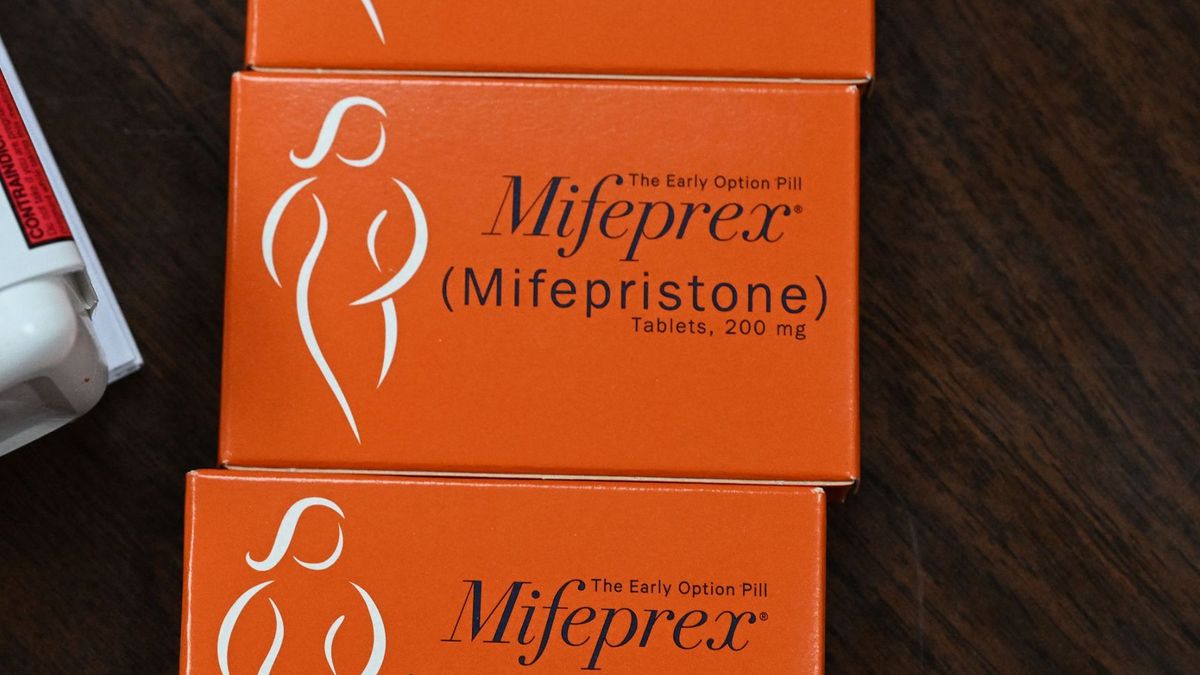
In the ongoing battle for women’s rights and autonomy, the introduction of Mifepristone represents a pivotal moment in the evolution of reproductive healthcare. This drug does not merely serve as a pharmaceutical option; it is a declaration of independence for women facing the often heart-wrenching decision of early termination. Let’s dive into the multilayered significance of Mifepristone and explore how this medication isn’t just a means to an end—it is a revolutionary tool in the feminist arsenal.
At its core, the availability of Mifepristone is about expanding choices. This is not merely an abstract notion; it is a concrete reality that affects countless women. The crux of feminist ideology advocates for a woman’s sovereignty over her own body. With Mifepristone, that sovereignty intensifies. Mifepristone—and its companion drug Misoprostol—offers a medical method of termination that’s discreet, effective, and within the comfort of one’s home. It’s a disruptor to the archaic paradigms that have shackled women to the confines of clinical settings and judgmental authorities.
Some may scoff at the notion that a single drug can catalyze feminist progress. Yet, those naysayers are missing the forest for the trees. In today’s world, where bodily autonomy battles incessant backlash, Mifepristone emerges as a beacon of hope—a symbol that women can reclaim their narrative in matters that intimately concern them. Let’s peel back the layers and examine how Mifepristone manifests this empowerment.
First, we confront the reality of access. Mifepristone expands the geographical, socio-economic, and ideological access to safe termination options. It opens possibilities for women who may live in remote areas with limited access to healthcare facilities, where a trip to a clinic may involve long distances and potential harassment. By providing a method that can be administered in the privacy of one’s own home, Mifepristone shatters the stigma tied to abortion. The empowerment comes not just from the ability to terminate a pregnancy but from the undiluted freedom to choose how and where it happens.
In regions where anti-abortion sentiment predominates, many women are further marginalized. Mifepristone creates the opportunity for defiance against oppressive systems that dictate women’s choices. The mere existence of this drug challenges the very narratives that seek to control women. Feminism at its core champions the dismantling of patriarchal structures; thus, Mifepristone becomes an indispensable ally in this ongoing fight.
Moreover, we must consider the emotional landscape surrounding abortion. For many women, the psychological ramifications of facing an unwanted pregnancy can be overwhelming. Mifepristone provides a sense of agency that alleviates some of that emotional burden. It’s not merely about the termination—it’s about a woman affirming her autonomy against societal expectations and personal fears. The decision to take the medication becomes a reclamation of power, a direct affront to those who would see women remain in a state of helplessness.
But let’s be clear: the choice of Mifepristone is not universally embraced. Critiques often arise from those staunchly opposed to abortion on moral or ethical grounds. Yet the nagging question remains: who possesses the right to make that decision? Feminism asserts that this determination should lie solely within the woman herself, not dictated by a legislative body or a religious doctrine. The dichotomy is not merely philosophical; it tangibly impacts lives. Mifepristone bridges the gap between freedom and coercion, allowing women the opportunity to dictate their own fates.
Each woman’s experience with Mifepristone is profoundly personal. The journey to termination is fraught with a swirl of emotions—fear, relief, guilt, empowerment. Yet, the drug itself acts as an agent of choice, reminding women that they are not mere vessels for reproduction but individuals with dreams and existences extending far beyond the biological mandate. This narrative is essential for the feminist discussion; the time has come for women to embrace their complexities without apology.
But while Mifepristone ignites discussions surrounding bodily autonomy, one must also acknowledge the broader implications for societal attitudes toward women in the labor force, education, and political spheres. The connection between reproductive justice and economic liberation can’t be understated. One’s ability to determine if and when to have children often intersects with career choices, educational pursuits, and even personal relationships. In a society that continually devalues women’s contributions to labor, it becomes imperative to widen the dialogue around how reproductive choices can enhance women’s roles as economic agents.
Engaging in this discourse is not merely academic; it is about urging society to recognize the breadth of women’s experiences. The availability of Mifepristone forces us to confront the societal programming that minimizes women’s life choices. It challenges us to rethink how we equip women to exist in a world that often marginalizes their rights, aspirations, and agency. We must collectively push back against the reductive narrative that motherhood is an infallible ideal, instead of recognizing the profound complexities of womanhood.
And this takes us to the important notion of intersectionality. The availability of Mifepristone might seem like a victory predominantly for affluent women. However, its implications resonate across socioeconomic and racial boundaries. The potential barriers to accessing the drug must also be dismantled. There are numerous women who do not enjoy the privilege of easy access to healthcare, and those voices must be included in this feministic narrative. Only then can Mifepristone be truly heralded as a bastion of choice and empowerment for all women, particularly those who have often been marginalized in discussions surrounding reproductive rights.
So, what does it mean to be an empowered woman in a society entrenched in patriarchal norms? It begins with understanding that autonomy is a right, not a privilege. Mifepristone, despite its controversial nature, prompts provocative conversations surrounding a woman’s right to choose. It begs us to challenge the status quo, to question the narratives older generations have tried to instill, and to emerge as vocal advocates for our autonomy. The feminist struggle is not merely about winning specific battles; it is about shifting the entire paradigm.
As we grapple with these changing dynamics, the question remains: what are we willing to do to ensure that everyone has access to options like Mifepristone? In a world rife with limitations imposed upon women’s bodies, understanding and advocating for Mifepristone becomes a clarion call for action. It beckons women and allies alike to rise in solidarity, to recognize the power of choice, and to ensure that future generations reclaim the narrative of their own bodies.
Ultimately, the discourse surrounding Mifepristone is emblematic of a much larger struggle: the relentless pursuit of autonomy, dignity, and self-determination. So, let’s steer clear of complacency. Let’s engage with the complexities of reproductive healthcare and harness this momentum to empower ourselves and others. In feminist terms, a world where women have agency over their bodies is a world worth fighting for—and Mifepristone is an indispensable ally in that fight.