The issue of minimum wage has long been a contentious topic in the realm of economic policy. However, when we drill down into the data, we discover that the implications of raising the minimum wage disproportionately affect women, illuminating a striking intersection between economic justice and feminist advocacy. A minimum wage increase is not merely a fiscal adjustment; it is a clarion call for equity in an arena that has historically marginalized significant portions of the female workforce. It is time to confront the prevailing narratives and discuss the economic impact of minimum wage increases through a feminist lens.
The Feminization of Poverty: The Pressing Issue
At the heart of the feminist critique of economic policies lies the alarming statistic that single mothers and women of color are overrepresented among the minimum-wage earners. These women are often the backbone of their families, juggling multiple jobs to provide basic necessities. Yet, their working conditions remain abysmal, and their wages insufficient for a decent standard of living. Raising the minimum wage would directly bolster their economic stability, allowing them to escape the cycle of poverty that has entrapped generations.
Furthermore, the phenomenon known as the “feminization of poverty” reveals how systemic barriers, including wage disparities exacerbated by a low minimum wage, disproportionately affect women. The gender pay gap persists, with women earning approximately 82 cents for every dollar earned by their male counterparts. These staggering disparities illustrate not only economic unfairness but also a chilling societal indifference to the plight of working women. An increase in the minimum wage would help diminish this gap, creating a ripple effect that could elevate the socio-economic status of countless families.
The Myth of Job Loss: An Argument Against Fearmongering
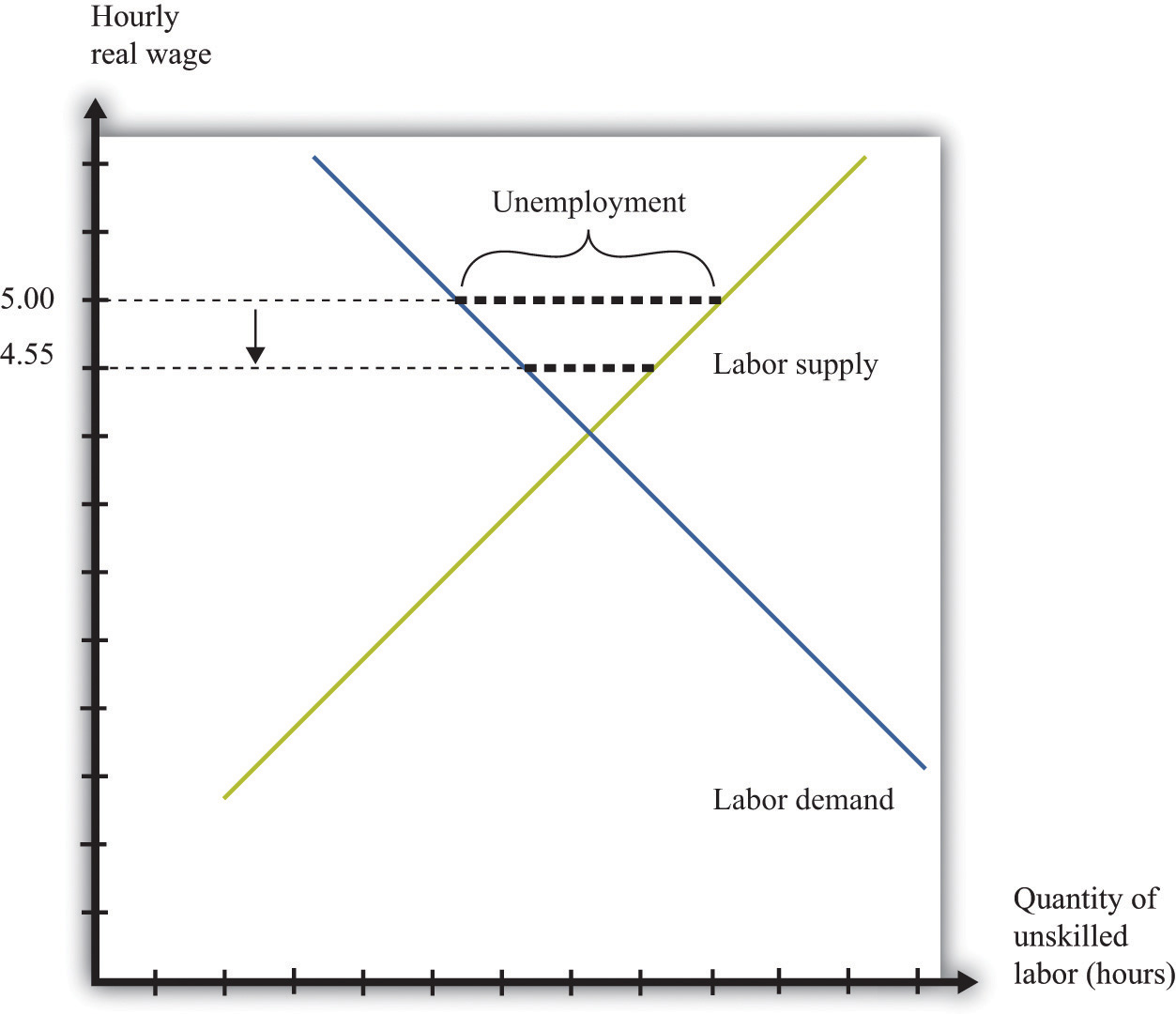
Opponents of increasing the minimum wage often propagate the myth that higher wages will lead to massive job losses. This narrative is fundamentally flawed and often stems from a disengagement with empirical evidence. Studies consistently demonstrate that modest increases in minimum wage do not correlate with significant unemployment. In fact, they have been shown to stimulate local economies by injecting workers with the financial agency to spend their earnings within their communities.
The fear of job loss is particularly insidious when considering its implications for women. Many women working in the service sector, a field predominantly staffed by women—especially women of color—are at risk of losing their jobs if the fearmongers are to be believed. However, these women are already facing precarious working conditions and minimal pay. The argument against raising the minimum wage cripples not only their financial security but also dismisses their contributions to the economy as expendable, categorizing their work as less valuable than that of their male counterparts.
Investment in the Future: Education and Childcare
Raising the minimum wage extends beyond simply providing workers with more money. It represents an investment in the future—a commitment to fostering an environment where women can aspire to financial independence and upward mobility. One of the most tangible benefits of an increased minimum wage is the capacity for women to invest more in education and childcare. With higher wages, they could afford to pursue skills training, higher education, or affordable childcare, reducing the number of women forced to make untenable choices between work and caregiving responsibilities.
Consider the plight of single mothers who are often forced to leave the workforce due to exorbitant childcare costs. A higher minimum wage could alleviate this burden, allowing them to secure jobs that not only pay living wages but also offer opportunities for advancement. By positioning women to invest in their futures, we can slowly dismantle the gendered barriers that persist in the workforce. Families succeed when women succeed, leading to an intergenerational effect where the benefits of wage increases extend well beyond individual paychecks.
The Collective Impact: Building Economic Resilience
A significant aspect of the feminist perspective on minimum wage increases is the examination of collective economic resilience. When women earn a living wage, not only do households thrive, but entire communities benefit. Women are often primary consumers, and with increased disposable income, they stimulate local economies. This multiplier effect serves as an economic engine, propelling growth that directly benefits both local businesses and the broader community.
The interconnectedness of women’s economic empowerment and community health is inextricable. By raising the minimum wage, we are not just lifting the financial burden off individual women; we are fortifying the economic foundation of our society. This principle is particularly salient in the wake of the ongoing social and economic upheaval caused by the pandemic. With economies struggling to recover, investing in women’s wages could be a strategic move towards revitalization, positioning women as frontline agents of economic change.
Cultural Shifts: Challenging the Status Quo
Beyond the economic implications, raising the minimum wage offers a catalyst for challenging the cultural narratives surrounding gender roles in the workplace. Societal norms have long dictated that certain jobs—often held by women—are not worthy of fair compensation. By advocating for wage increases, we possess the opportunity to confront these antiquated views, asserting unequivocally that all work has value. This shift requires dismantling the stigmas wrapped around women’s work and recognizing that caregiving, teaching, and service roles are indispensable to a functioning society.
Moreover, the feminist perspective on a minimum wage hike is fundamentally about empowerment. It is an affirmation of women advocating for their rights to fair compensation and decent working conditions. By reframing the discourse, we challenge the pervasive narratives that undermine women’s contributions and elevate the conversation toward a more inclusive economic structure.
In Conclusion: The Path Forward
The call for a minimum wage increase is a moral imperative—a necessity for economic justice that reverberates through the intricacies of gender equity. Women comprise a significant portion of the minimum wage workforce, and their economic realities demand immediate attention. As we navigate the intersection of feminism and economic policy, it becomes apparent that raising the minimum wage is not just a fiscal issue but a feminist one, underscoring the urgency for equity and justice in every corner of the workforce.
As advocates for change, we must persist in our calls for policy reform that promises dignity and respect for all workers, irrespective of gender. The time for complacency is over. The time for action is now.