

















The recent decision by a Nebraska judge to block controversial abortion restrictions has ignited a firestorm of debate, drawing forth a diverse array of opinions and perspectives. At the heart of this contentious issue is not merely the legality of abortion but a profound struggle for autonomy, bodily integrity, and gender equality. For feminists, this ruling is emblematic of an ongoing fight against patriarchal systems that seek to regulate women’s bodies and their choices. So, let us delve into the implications of this judicial action through a feminist lens.
The Badlands of Reproductive Rights: A Historical Context
To understand the ramifications of this ruling, we must first traverse the rocky terrain of reproductive rights in America. The fight for abortion access finds itself steeped in a cauldron of societal, legal, and ethical debates. Historically, women’s control over their reproductive choices has been consistently challenged, often by male-dominated legislative bodies. The infamous Roe v. Wade decision of 1973 appeared to grant a semblance of autonomy, yet the subsequent decades have been rife with attempts to erode these rights.
The recent restrictions imposed in Nebraska are but the latest iteration in a very old battle. They reflect a regressive attitude prevalent in many states, where lawmakers—often shielded by a veneer of moral righteousness—seek to impose their beliefs upon the choices of women. The judge’s block against these restrictions not only serves to affirm the rights established decades ago but highlights the legal system’s role as a potential ally in the ongoing fight for gender equality.
The Battle for Bodily Autonomy: A Feminist Perspective
At the core of this issue lies one of the fundamental tenets of feminism: bodily autonomy. The concept posits that individuals should have the right to govern what happens to their bodies without external interference. In the case of abortion, this becomes particularly poignant. Women are often portrayed as passive vessels, subjected to the whims of a patriarchal society that seeks to define their identity and worth by their reproductive capabilities.
Blocking the Nebraska restrictions breathes life into the assertion that women are autonomous beings with the power to make informed choices regarding their own lives and futures. The legal system, therefore, plays a crucial role in validating this autonomy. When judges make decisions grounded in a feminist interpretation of the law, they not only contest patriarchal narratives but also empower women to reclaim agency over their reproductive health.
A Rhetoric of Control: The Language of Anti-Abortion Policies
The rhetoric surrounding abortion restrictions is often cloaked in euphemisms and misleading language designed to mask the underlying motives of control and domination. Terms such as “pro-life” evoke a sense of moral high ground, but this rhetoric often overlooks the complexities of women’s issues. It is imperative to unpack this language and understand how it reinforces harmful stereotypes and perpetuates cycles of oppression.
Anti-abortion policies frequently emphasize the sanctity of life, yet they inherently disregard the quality and context of that life. A woman’s socio-economic status, mental health, and personal circumstances are often ignored. Blocking these restrictions in Nebraska serves as a repudiation of the damaging narratives that seek to shame and marginalize women who make the difficult decision to seek abortions.
Moreover, an examination of the language employed by anti-abortion advocates reveals a troubling gendered lens through which these issues are viewed. Women are often framed as irresponsible or incapable of making rational decisions regarding their bodies. Such pervasive stereotypes must be challenged, not only through legal avenues but also in the realm of public discourse.
The Ripple Effect: Impact on Communities and Future Generations
The implications of this judicial decision resonate far beyond the confines of the courtroom. When a judge blocks restrictive abortion laws, it sends a powerful message to communities about the vital importance of women’s rights. It helps to foster an environment where women can make choices free from the anxiety and stigma of punitive legislation.
Furthermore, the decision shapes the formative experiences of future generations. Young girls witnessing a societal acknowledgment of their rights are more likely to grow up understanding the importance of their autonomy. It instills a sense of empowerment that transcends traditional gender roles, allowing for a reimagining of what it means to be a woman in America today.
Feminism and Intersectionality: Inclusivity in Reproductive Rights
Feminism is not monolithic; it is a diverse movement that must account for the various intersections of identity. The fight for reproductive rights is inherently tied to issues of race, class, and socio-economic status. A decision to block abortion restrictions cannot simply be viewed through a single lens; it must consider how these laws disproportionately affect marginalized communities.
For women of color, low-income women, and those living in rural areas, access to abortion services is often shackled not just by restrictive laws but by a lack of resources and support systems as well. Engaging in an intersectional feminist analysis of reproductive rights compels us to confront these injustices head-on, advocating for comprehensive solutions that cater to the diverse needs of all women.
This ruling, therefore, emphasizes the necessity of inclusivity within the feminist movement, pushing for policies that dismantle systemic barriers and ensure equitable access to reproductive healthcare for all women.
Mobilizing for Change: The Role of Activism
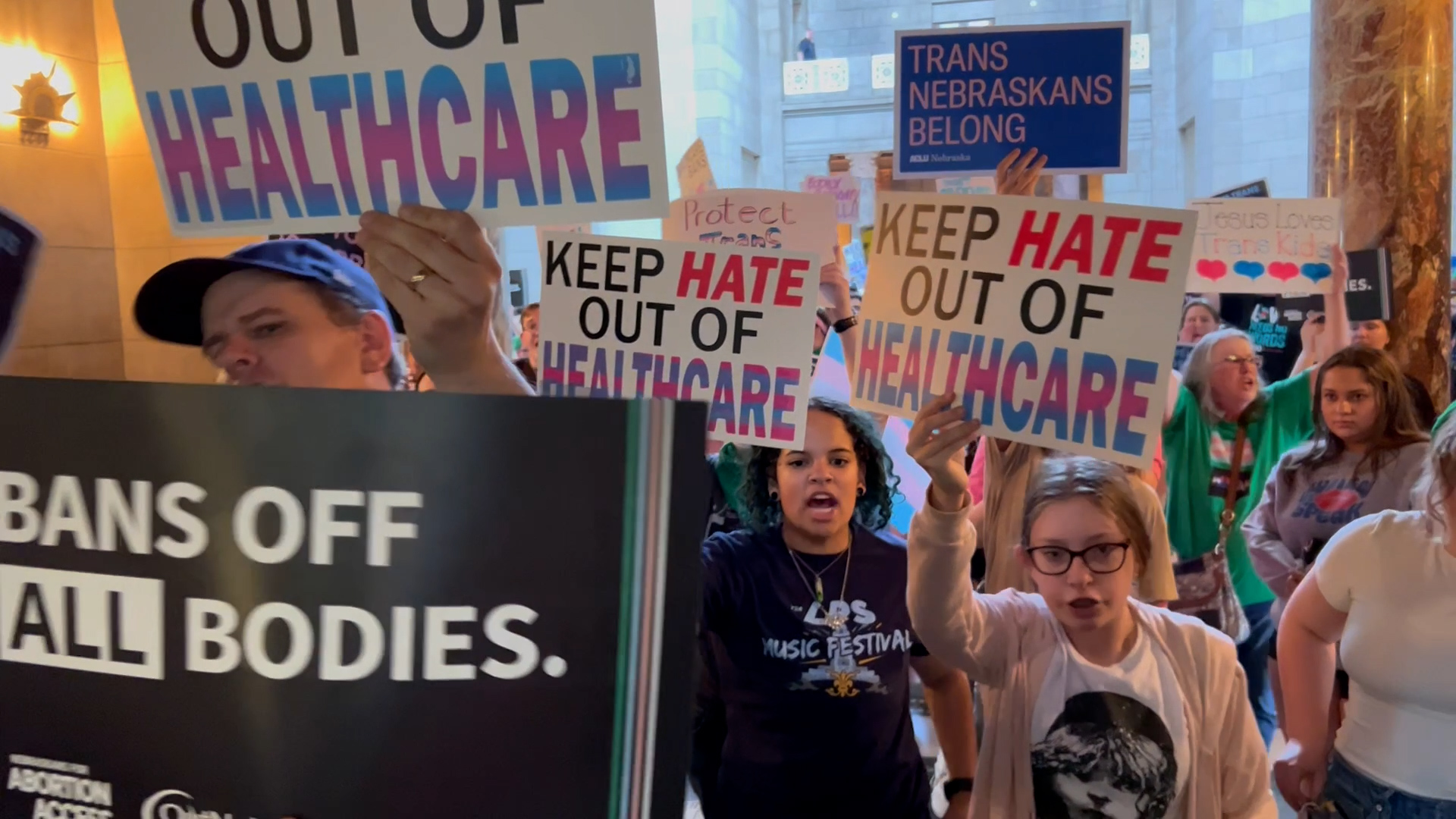
The judge’s decision in Nebraska is a powerful validation of the activism that has surged in recent years. Grassroots movements, fueled by passionate individuals demanding autonomy, have played an instrumental role in influencing public opinion and policy. Activism bridges the gap between legal victories and societal change, bringing the lived experiences of women to the forefront of the conversation.
From rallies to social media campaigns, activism continuously galvanizes support for reproductive rights. It dismantles the notion that abortion is a taboo topic, fostering open dialogues that challenge societal norms. The ruling serves as a rallying cry, urging advocates to continue pushing for legislative reforms while simultaneously providing support to those who need it most.
A Collective Future: The Vision for Reproductive Rights
The block against the Nebraska abortion restrictions is a momentous occasion, yet it is crucial to recognize that this battle is far from over. The vision for reproductive rights must extend beyond the courtroom and into the hearts and minds of society. It is a vision where women are empowered, respected, and afforded the autonomy to make choices about their bodies without the burden of stigma or fear of retribution.
The collective future we envision is one where reproductive rights are considered fundamental human rights. It is a future where the judicial system upholds the rights of individuals to make choices that best suit their lives, free from the encroachment of paternalistic oversight. As we navigate this complex landscape, it remains imperative to amplify voices, support movements, and advocate for a society that respects and cherishes the dignity of all persons.