

















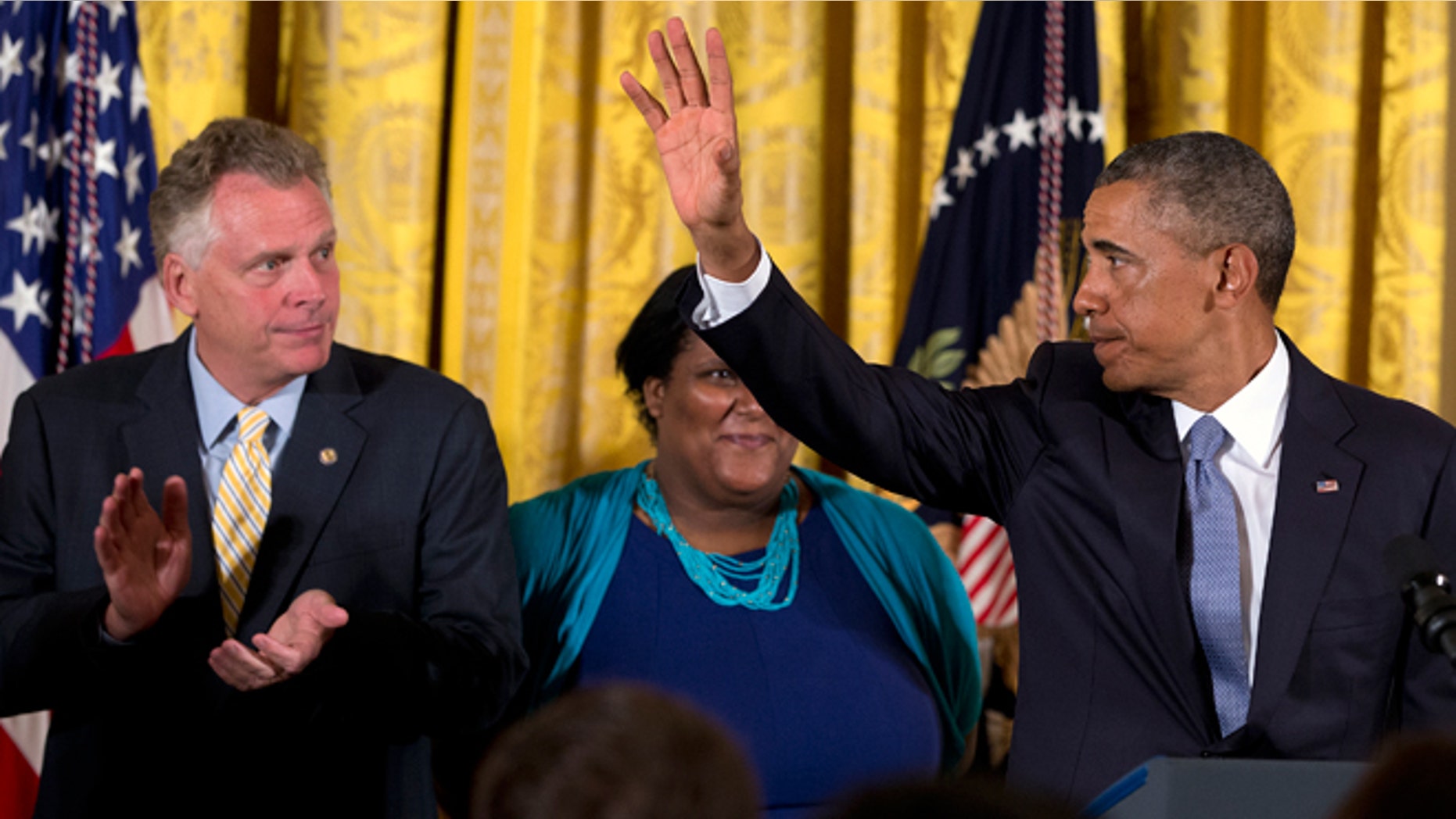
In a watershed moment for civil rights, the newly enacted Executive Order banning workplace discrimination based on sexual orientation and gender identity represents a critical triumph that transcends mere legislative action. This directive notably excludes religious exemptions that have so often thwarted progress. It embodies a resounding affirmation of equality, propelling the feminist movement into an era where the intersectionality of gender and sexual identity is not only recognized but also protected. The ramifications of this order resonate far beyond the seasoned activists; it speaks directly to the hearts and minds of the younger generation, who occupy a landscape increasingly intolerant of discrimination in any form.
However, alongside the elation is a lingering skepticism. Will this new policy genuinely dismantle the systemic inequities faced by LGBTQ+ individuals, or will it merely serve as a band-aid for deeper social wounds? This exploration requires a nuanced examination of power dynamics, societal norms, and the imperative role of feminism in steering this narrative toward a more inclusive future.
Emancipating the Workplace: The Defiant Stand Against Discrimination
In today’s climate, the intersection of LGBTQ+ rights and gender equality cannot be overstated. Embracing this Executive Order means fundamentally recognizing that workplace discrimination is not merely a personal affront but a societal ailment that stifles diversity and stunts professional development. Exists a more urgent need for inclusivity in workplaces, particularly when statistics illuminate the cruel reality: LGBTQ+ employees often endure a climate rife with hostility and marginalization. This executive move defies this systemic injustice.
The repercussions of a discriminatory work environment ripple through the lives of individuals, impacting mental health, self-worth, and even economic stability. By stripping away religious exemptions that previously provided legal cover for discriminatory practices, this order demands accountability from employers. It cements the notion that religious beliefs should not encroach upon an individual’s right to work in an environment devoid of prejudice. Feminism, at its core, advocates for an equitable society—this executive order is a crucial measurement in leveling the playing field. No longer can faith be wielded as a weapon used to violate the dignity of another.
The Power of Representation: Connecting Feminism and LGBTQ+ Rights
Feminism thrives on the principle of intersectionality—the idea that different aspects of social and political identities cannot be examined separately from one another. As the younger generations of activists assert their voices, they increasingly demand an acknowledgment that overlapping systems of oppression must be challenged simultaneously. In the office, on the streets, and in our laws, we must strive for a representation that embodies all identities, especially those historically relegated to the margins of society.
With the introduction of this executive order, LGBTQ+ individuals can claim their rightful position in the framework of workforce visibility. The non-discrimination clause bolstered by this directive creates a spectrum of empowerment that encourages young feminists to embrace an inclusive identity that appreciates the shared struggles of marginalized communities.
This intersectional approach transforms feminism into a lifeline for LGBTQ+ individuals, enabling them to advocate not only for their rights but also for those of others marginalized. While traditional feminism has often been critiqued for its failure to encompass the myriad experiences of women beyond cisgender perspectives, the burgeoning wave of feminist activism today is markedly inclusive, bringing LGBTQ+ issues into the fold, ensuring that the feminist discourse is truly reflective of the diverse experiences we cherish.
The Global Context: Learning from International Struggles
As we revel in this monumental shift within U.S. policy, it is vital to contextualize this advancement within a global framework. Many nations around the world are grappling with LGBTQ+ rights, with some regressing into environments marked by intolerance and violence. The feminist movement must gear its discourse not solely towards domestic gains but toward an international template of human rights that acknowledges the complex realities facing LGBTQ+ individuals globally.
The realities are stark: in numerous countries, sexual orientation is still penalized by law, and outright discrimination hampers progress toward societal equity. The U.S. must assume a leading role in advocating against these archaic beliefs. By codifying anti-LGBTQ+ discrimination laws into its framework—particularly without religious exemptions—the U.S. shines a spotlight on the importance of secularism in promoting human rights as a universal construct. Such leadership may inspire activists who are tirelessly advocating for change in oppressive nations, demonstrating that gender and sexual equality are not negotiable but fundamental rights.
Younger feminists are particularly well-positioned to mobilize this global consciousness. Armed with social media and powerful platforms for advocacy, they can galvanize support and knowledge, demonstrating the interconnectedness of our struggles. Fighting against discrimination in the workplace is but one battle in the broader war against injustice—one that encompasses and uplifts every marginalized voice.
The Road Ahead: Building an Inclusive Future
As the reverberations of this executive order settle into the fabric of American society, it heralds an undeniable truth: the fight for LGBTQ+ rights is irrevocably intertwined with the struggle for gender equality. The complexities of identity and the layers of discrimination encapsulated within the workplace demand a collective consciousness that is relentlessly proactive.
The landscape is shifting, and the younger generations are the architects of this change. They are challenging antiquated perceptions that segregate gender and sexual identity as separate issues. Deliberate conversations about intersectionality need to dominate our discourse, with proactive steps towards building a truly inclusive environment being imperative.
Women’s empowerment must now include the fearless advocacy for LGBTQ+ rights, recognizing that the struggle against systemic oppression is one and the same. The fight must encompass workplace policies that protect individual identities without excuse. As this executive order takes root, a stirring call to arms emerges for a new wave of feminists: join hands with each other, irrespective of gender identity or sexual orientation, to create a world where equality reigns unequivocally.
The narrative is shifting, bolstered by the audacity of the younger activists who refuse to accept anything less than absolute equality. The Executive Order banning workplace discrimination lays the groundwork for progress, fostered by an unwavering commitment to intersectionality. The fight is not over; it is just beginning. A future where inclusion reigns supreme awaits, and it is up to each of us to forge that path together.