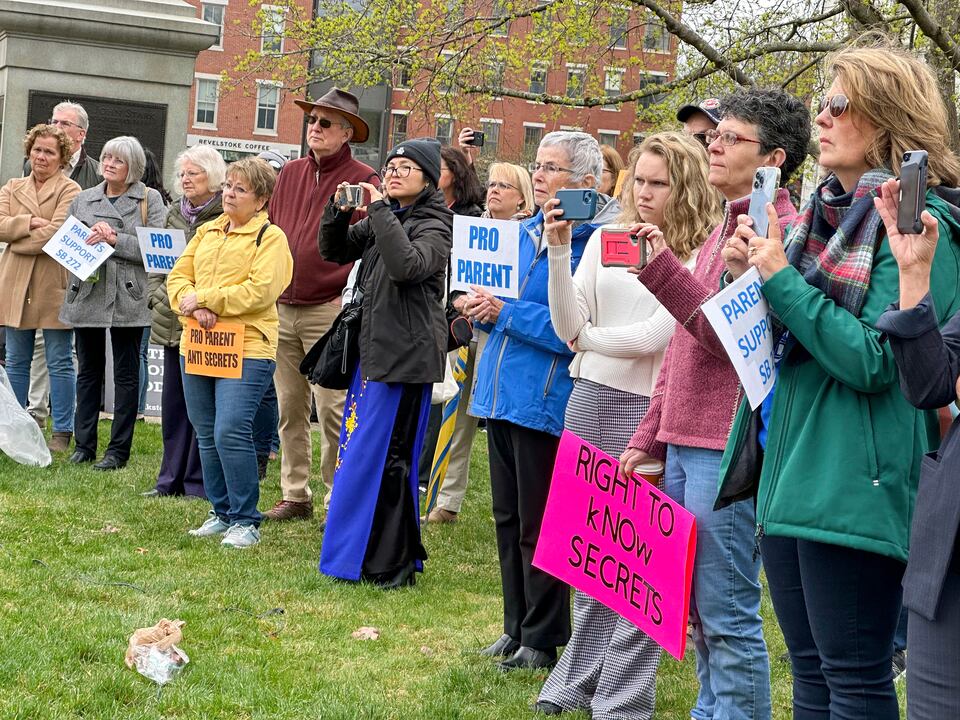
In recent legislative sessions, New Hampshire witnessed significant debates surrounding a bill that raised crucial questions about the concept of personhood—a term that carries profound implications within the feminist discourse. The “Parental rights” bill may appear straightforward at first glance, but it encapsulates the deeper tensions between traditional heteronormative values and the emerging recognition of diverse familial structures, particularly in relation to LGBTQ+ rights. It’s imperative to interrogate how these legal definitions impact women, not just as individuals but as members of overlapping communities that straddle myriad identities.
Understanding the nuances of personhood is pivotal. It isn’t merely a legal concept; it embodies the recognition of rights and autonomy. As such, the New Hampshire bill serves as a microcosm for broader discussions about reproductive rights, parental equality, and the ever-elusive pursuit of gender justice within contemporary society. Activists and scholars alike must grapple with the implications of this bill—its defeat marks a moment of relief for LGBTQ+ families, while simultaneously igniting debates about women’s bodily autonomy, the fundamental nature of parenting, and the inequities embedded within the fabric of the family structure.
The crux of this discussion lies in the definitions and implications of personhood. By questioning who counts as a person within legal parameters, we must reflect on how this delineation informs societal norms. The “personhood” legislation often seeks to extend legal rights to embryos or fetuses, redefining when life is perceived to begin. This perspective can have detrimental ramifications on women’s rights, especially in the context of reproductive choices. Feminist scholars and activists have long deconstructed the narratives that equate personhood strictly with biological viability, advocating instead for a more expansive and inclusive understanding that accounts for the lived experiences of women.
The counterpoint emerges when we examine how such definitions can serve or undermine specific groups. For LGBTQ+ families, the stakes are high. The failure of the “Parental rights” bill upheld a legal framework that recognizes diverse family constructs, granting rights to same-sex parents that have historically been marginalized in legal discourse. This victory is emblematic of the continuous struggle for recognition and equality, highlighting the need for intersectional approaches to feminism. The intersections of gender, sexuality, and the law cannot be severed; they encapsulate the myriad ways in which identities shape our reality.
Legal Language and Feminist Resistance
Legal language is notoriously dense and often obfuscates the very subject it seeks to address. In feminism, the struggle often lies in reclaiming this language. The rejection of the personhood concept, as it applies to fetuses, is fundamentally an assertion of women’s agency over their bodies and their reproductive choices. A feminist interpretation of the legalities surrounding personhood should dismantle the rigid hierarchies that privilege specific identities—often aligning with patriarchal norms that view women largely through the lens of motherhood.
Critics argue that the very notion of extending personhood protections to embryos is seeped in misogynistic undercurrents. It co-opts women’s bodies, reinscribing them into traditional roles while dismissing the complexities of individual choices. Here, the feminist perspective demands that we resist such encroachments. Advocating for a woman’s right to choose is not merely about securing reproductive health; it is about asserting the right to self-determination, autonomy, and bodily integrity. Without such rights, the path to gender equality becomes increasingly fraught.
Parsing the Personhood Debate: Layers of Meaning
To navigate the complex terrain laid out by the New Hampshire bill, it is crucial to engage with the layers of meaning embedded in the concept of personhood. This debate is intricately tied to one’s understanding of reproductive rights. Feminists contend that the antithesis of bodily autonomy threatens to flatten a rich tapestry of identities and experiences. If we anchor personhood solely to biological definitions, we overlook the myriad lived experiences that underscore gender identity and the fundamental essence of what it means to be a person in society.
Furthermore, the intersectionality inherent in this dialogue cannot be overstated. The experiences of women of color, LGBTQ+ individuals, and those from lower socioeconomic backgrounds are often marginalized within mainstream feminist discussions. These voices challenge the notion of personhood by bringing forth a holistic consideration of how race, sexuality, and class inform one’s lived reality. It becomes evident that the debate is not simply about one’s rights over their own body; it’s a multifaceted discourse that merits expansive dialogue and concerted advocacy.
Empowering Marginalized Voices: The Feminist Mandate
To foster meaningful change, it is essential to amplify the voices of those historically sidelined in discussions of personhood and legal rights. Feminism, at its core, should champion the plurality of experiences and encourage coalitions that unite rather than divide. When legislation impacts a broad spectrum of identities, the feminist movement must strive for inclusivity, ensuring that conversations surrounding legal definitions are not merely dominated by hegemonic narratives.
Engaging in community dialogues, grassroots activism, and educational initiatives can foster a renewed understanding of personhood—one that embraces complexity rather than reductiveness. It is not only about fighting for an expansive legal definition; it is about empowering individuals to claim their autonomy and rights in a myriad of contexts. Limitations on personhood must be challenged not with blanket resistance but with the nuanced, informed advocacy that recognizes diversity as an asset, rather than a barrier.
Conclusion: The Road Ahead for Feminism and Personhood
As the legal landscape continues to evolve, the implications of bills like the one proposed in New Hampshire reflect broader societal shifts. These legislative debates are not just about laws and rights; they epitomize the ongoing struggle for feminist principles rooted in equality, autonomy, and collective empowerment. The rejection of the “Parental rights” bill is a significant moment that underscores the necessity of inclusive and expansive definitions of personhood.
Feminism must persist in challenging restrictive interpretations of personhood that marginalize identities and thwart individual autonomy. To ensure that voices are heard, it is critical for feminists to engage with intersectional perspectives that illuminate the unique experiences of diverse communities. Ultimately, the journey toward realizing inclusive personhood definitions is emblematic of the larger fight for gender justice, reproductive rights, and the recognition of the plurality of human experiences. In striving for such goals, the feminist movement lays the groundwork for a more just and equitable society where every individual’s existence is affirmed and celebrated.