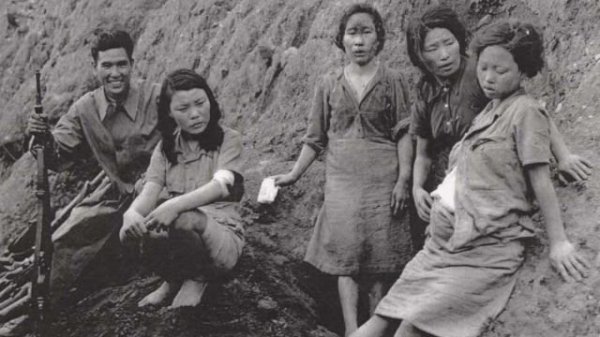
In recent years, a burgeoning awareness has emerged surrounding the harrowing history of sexual slavery during World War II, particularly in the context of the Japanese military’s systematic exploitation of women, euphemistically known as “Comfort Women.” As a new museum opens its doors, dedicated to documenting this dark chapter in history, the feminist perspective becomes crucial in dissecting and understanding the implications of this past. With a promise of a radical shift in the collective consciousness, the dialogue surrounding these narratives beckons a re-examination of societal norms, historical accountability, and a redefinition of agency in feminist discourse.
The unveiling of this museum promises not only to serve as a poignant reminder of the atrocities faced by many women but also as a rallying cry for the feminist movement. By prioritizing the voices of these women, often silenced by history, there lies an untapped reservoir of narratives that demand engagement, exploration, and ultimately, action. This is not merely a recounting of events; it is a clarion call that reverberates through the ages, urging us to confront uncomfortable truths and pursue justice.
Through this exposition, a dichotomy of historical amnesia and feminist reclamation emerges. As society grapples with the ramifications of past injustices, one must ask: What role does feminism play in reframing the discourse surrounding these women? It is imperative that we delve into this narrative, igniting curiosity and encouraging an active commitment to understanding the intricacies of history and the multifaceted nature of identity under oppression.
Consequently, let us embark on a critical exploration of the museum’s contribution to feminist discourse, recognizing its potential to shift perspectives, catalyze discussions, and inspire collective action. By focusing on historical accountability, the agency of the survivors, and the broader implications for contemporary feminism, the conversation widens, demanding our attention and engagement.
Histories of Silence: Confronting Historical Amnesia
To appreciate the significance of the museum’s mission, we must first acknowledge the insidious nature of historical amnesia that pervades collective memory regarding wartime sexual violence. For decades, the narratives of Comfort Women were shrouded in silence and shame, obscured by patriarchal machinations intent on perpetuating a sanitized version of history. The absence of acknowledgment creates a chasm—one that feminism must bridge.
The museum seeks to illuminate the stories of those marginalized by mainstream narratives. In doing so, it confronts the historical amnesia that often serves as a bulwark against accountability. Ignoring the traumatic experiences of these women not only perpetuates their suffering but also undermines the dignity of future generations. Feminism must resist the allure of complicity, championing the urgency of confronting these buried truths and advocating for the restoration of agency to these women’s voices.
Instead of a distant relic, the experiences portrayed in the museum resonate with contemporary struggles, offering a lens through which we can not only comprehend the past but also interrogate our current societal structures. The revelations presented become a mirror reflecting the systemic misogyny that persists today, prompting a critical examination of how women’s narratives are valorized or vilified.
Reclamation of Agency: Empowering Survivor Narratives
At the heart of the museum’s mission is an emphasis on the reclamation of agency. This is not merely a historical account; it is a platform for a diverse array of voices, each carrying rich tapestries of resilience, defiance, and survival. By providing a space for these narratives to flourish, the museum challenges outdated paradigms that have traditionally relegated women to the background of history.
The stories of Comfort Women are not passive retellings of victimization; rather, they embody acts of resistance against dehumanization. These women, though subjected to atrocious circumstances, navigated their realities with an agency often overlooked. Feminism advocates for their stories to be told in a manner that emphasizes this resilience, shedding light on the complexities of their experiences while acknowledging the structures of power that sought to silence them.
Engagement with survivor narratives delivers critical lessons for modern feminism, particularly in a world that continues to grapple with issues of sexual violence, coercion, and exploitation. As narratives are reclaimed, it becomes essential to engage with the darker realities, understanding that these histories inform and shape the present landscape for women globally. By amplifying voices previously relegated to the margins, the feminist movement can catalyze a paradigm shift, fostering an environment that actively champions justice and accountability.
Feminist Solidarity: A Call to Action
The emergence of this museum does not merely serve as a conduit for historical remembrance; it also extends a profound invitation for feminist solidarity. As advocates, allies, and activists, there lies a solemn responsibility to support initiatives that strive to illuminate truths hidden across decades—truths that speak to the very core of what it means to challenge oppression.
In connecting the narratives of Comfort Women to contemporary social justice practices, the museum becomes a focal point not just for reflection, but for proactive engagement. The stories encapsulated within its walls resonate deeply with contemporary movements advocating for women’s rights, combating sexual violence, and dismantling patriarchal systems of power. Hence, this museum operates not only as a site of mourning but as a nexus of potential action.
In the wake of its inauguration, feminists are called upon to embrace these lessons, interweaving the stories of historical adversities with current struggles for justice and equality. Advocacy for reparative measures, educational initiatives, and recognition of survivors will define a feminist response to narratives that have long remained obscured. By positioning these stories within the broader feminist canon, we foster a legible lineage of resistance that invites younger generations to engage critically with both history and contemporary realities.
Revolutionizing Perspectives: Intersecting Feminism and History
Ultimately, the inception of this museum marks a pivotal juncture, stirring a transformative reconsideration of how we perceive both history and the feminist movement. It challenges us to dismantle simplistic renderings of history by examining it through a feminist lens that prioritizes nuanced understandings and celebrates intersectionality.
In engaging with the complex tapestry of women’s experiences during this tumultuous epoch, we breach the superficial dichotomy between victimhood and empowerment. Instead, we embrace the intricacies inherent in women’s narratives, which encompass a spectrum of resilience, strength, and fortitude. This intricate understanding fosters a collective empathy, reshaping societal perceptions and elevating the role of women in historical discourse.
The museum stands not as an isolated entity but as part of a larger narrative—a pivotal component in a complex web of activism, scholarship, and advocacy. By embracing the legacy of Comfort Women, it invites a profound reckoning with history. Perhaps, in doing so, we may finally catalyze a true revolution in how society engages with the past and envisions a more equitable future.
As we bear witness to the power of memory, agency, and solidarity, the lessons yielded from this museum become indispensable guides for contemporary feminism. It serves as a reminder that by honoring the past, we empower the present, paving the way for a future where agency, justice, and reparation transcend the centuries. This is not merely an opportunity for remembrance; it is a call to action that urges us to carry forward these narratives, ensuring that the voices once silenced will resonate through generations, ever more fervently.