

















The gender wage gap—a pervasive and insidious disparity that persists across the globe—has just been implicated in a more extensive, troubling diagnosis than previously imagined. Recent revelations suggest that the divide between what men and women earn has escalated far beyond the estimations that have long been ingrained in our societal narratives. In feminist discourse, this revelation cannot merely be met with a shrug; it must confront us with a clarion call for action. This analysis ventures into the treacherous waters of wage inequality, reframing the issue as an urgent social crisis that endangers the very fabric of our society.
The purpose of this article is to delve into the implications of these findings, explore historical contexts that have led to such disparities, scrutinize the intersections of race and gender, and radically confront the corporate and political structures that enable and exacerbate this form of exploitation. The aim is to stir our collective conscience and galvanize a movement toward substantive reform, for the stakes are simply too high to remain passive.
**The Emergence of the Gender Wage Gap: History Revisited**
To understand the magnitude of the current wage gap, we must traverse the historical landscape that has shaped gender roles. The gap is not merely a numerical deficit; it is filled with the echoes of systemic oppression fashioned through centuries of patriarchal norms. Women’s labor has been undervalued since time immemorial, often relegated to the domestic sphere where their contributions—whether in childcare, household management, or unpaid labor—remain unrecognized. When they ventured into the workforce, their roles were typically ghettoized into lower-paying occupations, and thus, their potential for financial parity was curtailed.
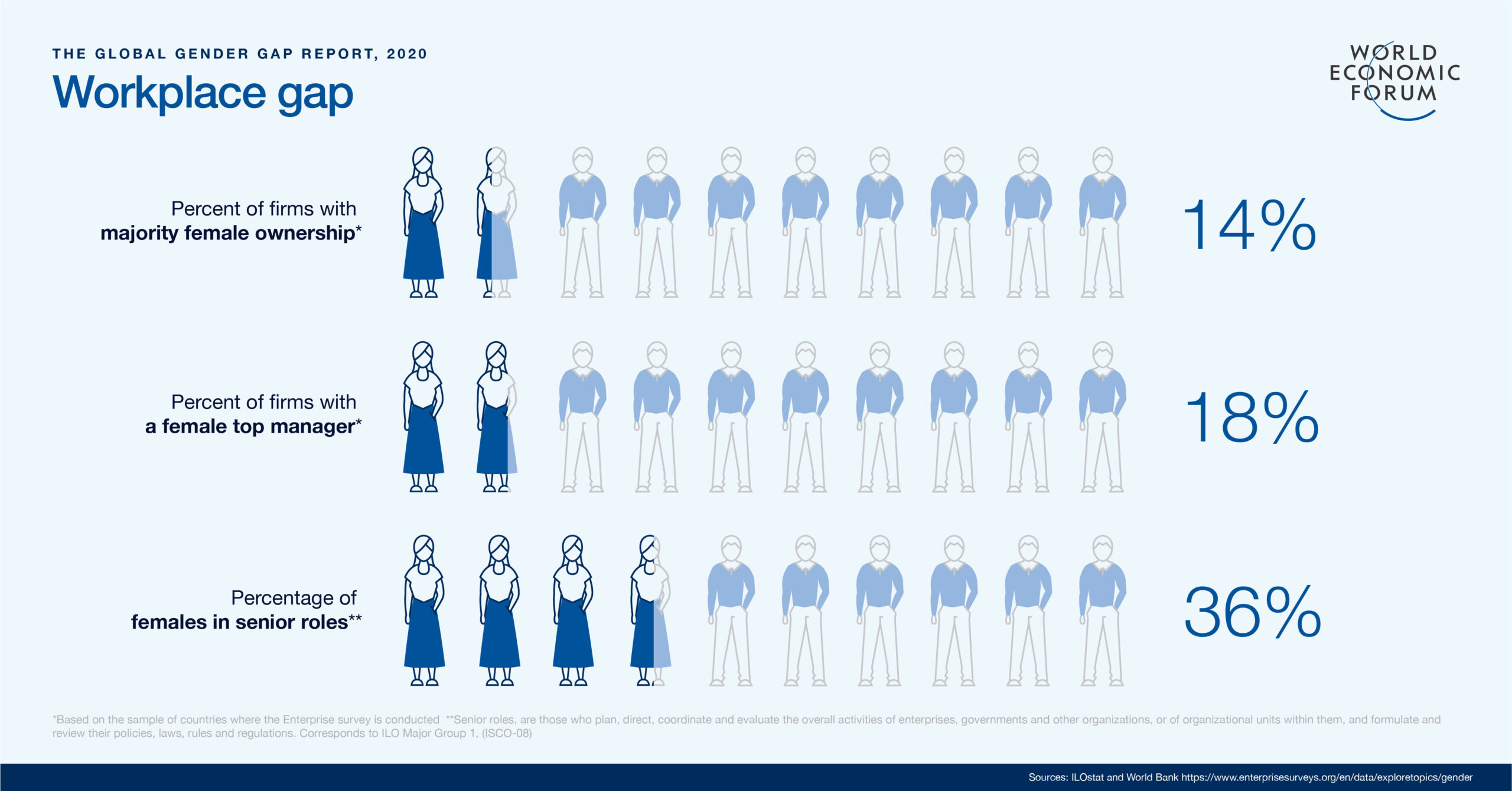
Historically, labor markets have been constructed on the premise of male supremacy, stifling women’s economic ascension. Despite a myriad of achievements in the fight for gender equality, institutional frameworks still perpetuate inequalities. Women are more likely to be offered part-time roles, receive fewer promotions, and are less frequently represented in leadership positions. Hence, the gender wage gap is unabated, fortified by invisible barriers such as glass ceilings and less access to high-paying industries.
**The Intersectionality of Wage Inequity: Race and Gender Overlap**
When the gender wage gap is examined through an intersectional lens, the situation becomes even more distressing. Women of color, in particular, find themselves ensnared in a multifaceted web of discrimination that amplifies the wage gap exponentially. Not only do they contend with the systemic sexism that overlooks their skills and contributions, but they also endure racial biases that further mire them in lower earnings. This intersectionality is crucial to comprehend if we are to unravel the layers of oppression that dictate economic disparity.
Consider, for instance, Black women, who, according to statistics, earn a mere fraction of what their white male counterparts make. The suffering of Latinas, who frequently occupy the lowest-wage roles, is similarly appalling. These stark disparities compel us to ask: why, despite decades of advocacy and progress, do racial and gender inequalities intertwine in such a catastrophic manner? This question serves as a catalyst for feminist movements to re-evaluate strategies—ensuring inclusivity that addresses these overlapping oppressions rather than treating women’s issues as monolithic.
**Corporate Accountability: Time for Empowerment and Change**
While the burden of the gender wage gap weighs heavily on women and marginalized communities, the onus is predominantly colossal on corporations and policymakers to acknowledge and amend systemic inequities. Corporate cultures often favor homogeneity, inadvertently stifling diversity’s power to stimulate innovation and problem-solving. Organizations that demonstrate a lack of accountability in addressing wage disparity cultivate workplaces where inequalities burgeon and prosper. In a world that increasingly espouses the virtues of diversity and inclusion, mere lip service is unacceptable.
Empirical evidence suggests that companies with diverse leadership outperform their competitors, yet many remain obstinately unmoved. Audi boards dare to question the validity of affirmative action, but any rhetoric devoid of equitable wage structures amounts to empty promises. The paradox of underserving female talent while advocating for their advancement reveals a staggering hypocrisy—one that feminists must expose relentlessly. This is a pivotal moment for corporate entities: either choose genuine rehabilitation through equitable practices or endure the justified public scrutiny that follows entrenched inequities.
Additionally, legislation aimed at closing the wage gap also warrants rigorous scrutiny. Existing policies intended to address wage disparities often allow loopholes or lack sufficient enforcement mechanisms. Therefore, a unified feminist front must demand stronger legislative measures that not only close existing gaps but also ensure transparency in wage distributions across industries. The cries for equitable remuneration demand not just change but visionary transformation in societal attitudes toward women’s labor.
**Cultural Shifts: Redefining Value and Worth**
At the crux of dismantling the gender wage gap lies a profound cultural shift—the need for society to redefine what constitutes ‘value’ and ‘worth’ in work. The devaluation of women’s contributions must be challenged not only in policy but in everyday conversation. From the boardroom to the living room, there lies a need to champion and commend women not solely for ambition but for equitable earnings that reflect their actual contributions to the economy.
Media representation plays a paramount role in shaping public perception. Sensationalized rhetoric often distorts reality, minimizing the implications of wage disparity while painting dissatisfied workers as ‘ungrateful.’ This deviation must be challenged; women’s unrest regarding unequal pay is rooted in justification and should be embraced as a legitimate demand for justice. Feminists must ally with media platforms, writers, and influencers to amplify these narratives, breaking through slanted headlines to foster a narrative that champions equity and invites critical dialogue on the importance of balancing the scales.
The establishment of educational initiatives around financial literacy, negotiation skills, and career advancement for women can serve as a catalyst for meaningful cultural alteration. Empowering women to negotiate for higher salaries and fostering confidence in their professional trajectories ultimately rewards society as a whole with a more robust, diversified workforce.
**Conclusion: The Time for Action is Now**
The unraveling of the gender wage gap is a fight that requires unyielding resolve. The alarming findings about the gap’s extent should ignite a fire among advocates, prompting discussions of systemic injustice that demand immediate redress. Feminism has long thrived on the principles of empowerment, solidarity, and radical change; these values must be etched into the very fight against wage inequality.
To tackle the wide-ranging implications of the gender wage gap, we must grapple with entrenched social norms, confront manifold discriminations, and hold powerful institutions to account. It is a clarion call for collective action; silence is no longer an option. The economic liberation of women is integrally linked to societal progress. Together we must reject complacency and propel our discourse into the future, determined to dismantle this egregious inequality once and for all.