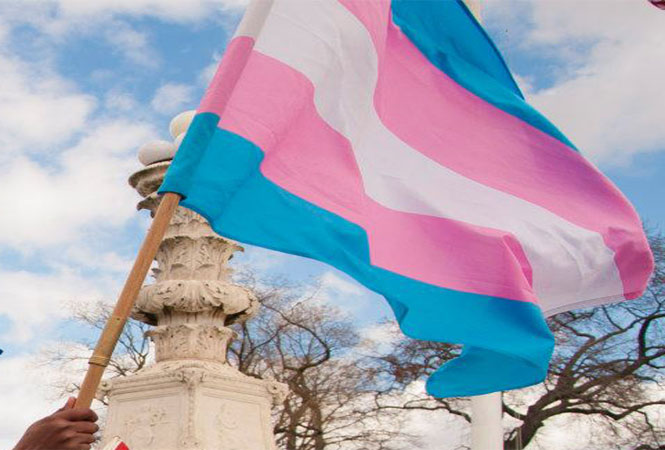
In an era where identity politics dominate the social landscape, the recent dismissal of the New York Gender Identity Non-Discrimination Bill presents a glaring illustration of the volatile interplay between legislative stagnation and the fight for gender equality. This episode isn’t merely a legislative hiccup; it is a pronounced signal of the ongoing systemic resistance to the rights of marginalized groups, particularly within the realm of feminism. The implications of this political failure are profound, reverberating through the very fabric of our society.
As we plunge into this contentious terrain, one must ask: why does the blocking of such legislation matter? At its core, this is not just about a bill. It reflects a societal mindset – a reluctance to embrace change and acknowledge the multifaceted nature of gender identity. The denial of protections for gender-nonconforming individuals is not simply an oversight but a reinforcement of patriarchal structures that seek to undermine the progress of feminist principles. This juncture in legislative history calls for an examination of the implications it carries for feminism, as well as the broader social movement for inclusion and equity.
The resounding silence of the New York State Republicans in the face of gender identity protections raises questions about their true stance on equality. Do these political figures truly represent the populace, or are they ensconced in a subjective bubble that disregards the progress of societal values? If legislation such as the Gender Identity Non-Discrimination Bill fails to see the light, we must dissect the underlying currents that led to this decision.
The first dimension to analyze is the insidious nature of discrimination cloaked under the guise of traditionalism. The Republican narrative often hinges on a defense of “family values,” a trope that historically has been wielded to marginalize identities that deviate from heteronormative constructs. However, true feminist ideology advocates for the liberation of all identities, challenging the normative binaries that restrict the experience of self-identified women and gender non-conforming individuals. This debacle illuminates a vital friction: the confrontation between outdated views on gender and the progressive realization that encompassing all identities enriches society as a whole.
The historical arc of feminism reveals a struggle not only against misogyny but also against the restrictions families impose on individuals based on gender and sexuality. Those who cling to archaic ideals of gender hierarchies threaten to retract the very rights for which feminists have fought vehemently. Feminism, at its core, is fundamentally about dismantling oppressive structures, and the failure to pass this bill can be interpreted as a colossal setback in that journey.
Turning the lens toward public sentiment, it is essential to gauge how these political decisions resonate with the average citizen. Surveys and polls have increasingly indicated a shift toward acceptance of gender diversity and a push for legislative protections. However, the Republican committee’s decision signifies a dissonance with the electorate—a representation crisis that underscores the rift between lawmakers and constituents. What does this imply for feminism? It necessitates a juncture of advocacy and education; broadening awareness on the importance of gender inclusivity is imperative to galvanize support for legislative change.
The implications extend beyond the bill itself, morphing into a catalyst for a conversation about intersectionality within feminism. Discrimination does not exist in a vacuum, especially in a society steeped in chasms of race, class, and gender. The voices most affected by the nullification of this protection are those at the intersections of multiple marginalized identities. Feminism must evolve to capture the complexity of these experiences and advocate for broad-based solidarity and unity among all constituents, rather than isolating the struggles of a singular identity. The eradication of discrimination against any identity is fundamentally inseparable from the broader feminist battle cry.
However, rather than adopting a pessimistic view of this political development, one might track a glimmer of opportunity within it. The uproar from the feminist community and allied activists must be harnessed. Every blockade against progress can serve as a rallying cry; the fierce tenacity of the activist community can galvanize movement toward transformation. The battle for the Gender Identity Non-Discrimination Bill may have faltered in committee, but it can open the floodgates for a more robust and fervent demand for change outside legislative chambers.
Mobilization takes center stage. Grassroots movements and community-focused organizations have the power to reshape narratives surrounding gender identity, elevating marginalized voices and integrating them into the fabric of feminist discourse. It is imperative for feminists to break away from traditional approaches that often prioritize certain narratives over others. Every march, every discussion panel, and every social media campaign serves as an engine for change. The ongoing educational efforts around gender identity is vital; promoting understanding and empathic engagement can shift public perceptions and, by extension, influence legislative outcomes in the future.
In addition, an introspective examination of feminist strategies is warranted. Is it enough to advocate for gender identity protections alone, or does this signify a larger systemic issues? The fabric of feminism must embrace critique; the narratives we construct around gender must include discourse about race, socioeconomic status, and the complexity of lived experiences. The current legislative landscape begs the question: how can feminism advocate for those on the margins while critiquing its own mechanisms? Recognizing these intertwined challenges can strengthen the inclusivity of the movement, ensuring it cultivates a broader base of support.
In conclusion, the blockage of the New York Gender Identity Non-Discrimination Bill stands out as a potent snapshot of the complexities enveloping modern feminism. It beckons individuals to rethink not only the legislative mechanics but also the cultural paradigms that surround gender identity. It awakens critical discussions about the roles of political representation, education, and intersectionality in shaping a future that unequivocally embraces all identities. The path ahead may be fraught with challenges, yet each stumbling block reveals insights necessary for the survival and transformation of feminism itself. The earnest pursuit of inclusivity, empathy, and solidarity remains the cornerstone upon which true equity can be built. The fight is far from over; it is merely the beginning of a larger narrative, one that demands a shift not only in legislation but in hearts and minds.