

















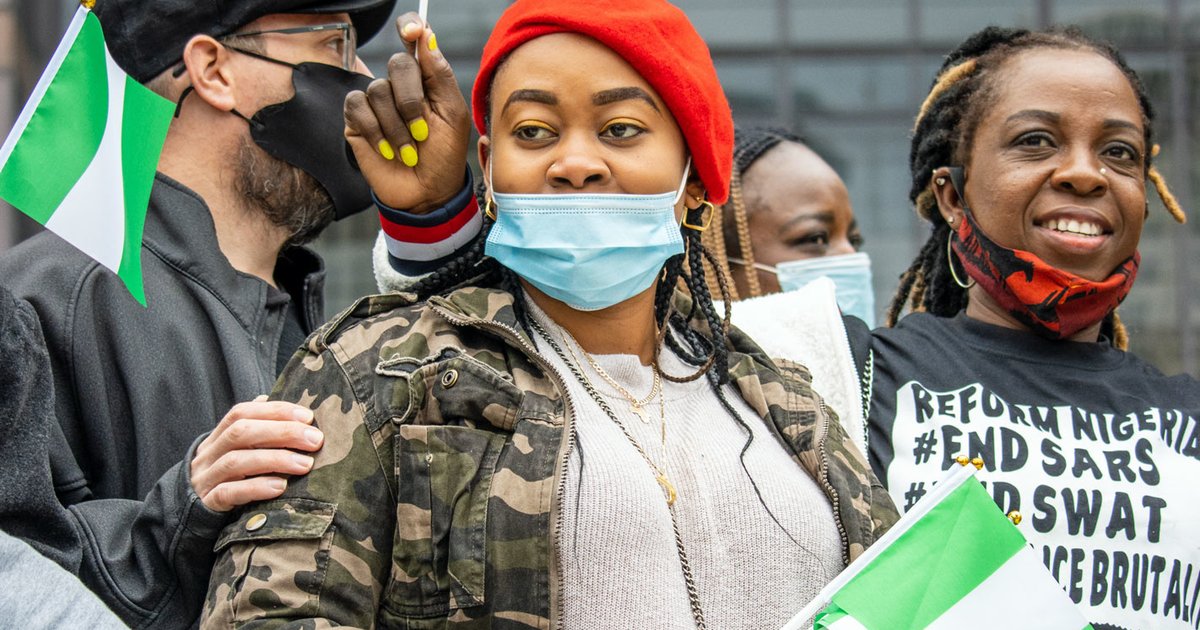
In recent developments, the Nigerian government has indicated its intention to establish a Women’s Peace Committee, a move that prompts us to examine not only the implications of such an initiative but also the broader feminist context in which it exists. This proposal is a testament to the growing recognition of women’s roles in the fabric of peacebuilding processes. Yet, one must interrogate the motivations behind this endeavor. Is it a genuine commitment to gender equality, or merely a tokenistic gesture? Let’s delve deeper.
To understand the potential impact of the Women’s Peace Committee, we need to dissect the landscape of female participation in peace processes. Historically, women have been sidelined from the crucial conversations that shape their communities, despite being potent agents of change. In Nigeria, a nation besieged by conflict—from the Boko Haram insurgency to the myriad communal clashes—women have not only suffered the gravest consequences but have also proven adept at conflict resolution at the grassroots level. Thus, the establishment of a Women’s Peace Committee could be revolutionary but only if it transcends the pitfalls of superficial representation.
While the mere existence of such a committee suggests progress, the true measure of success lies in its capacity for empowerment and inclusion. To unleash its full potential, this initiative must consider the following aspects:
Holistic Representation of Women’s Voices
Women are not monolithic; they bring diverse perspectives shaped by their socioeconomic backgrounds, ethnic identities, and personal experiences. A Women’s Peace Committee must ensure that it invigorates this plurality. To simply appoint a select group of women from elite backgrounds is to perpetuate the same hierarchies that have historically marginalized many female voices. Engaging with women at the grassroots level and incorporating their insights into the shaping of peace policies is imperative. This means amplifying the position of rural women, market traders, and other underrepresented groups, acknowledging their intrinsic and profound knowledge of the socio-political landscape.
Furthermore, intersectionality must become the guiding principle. The unique challenges faced by women from varied ethnic and educational backgrounds must inform the actions of the committee. Ignoring this facet is akin to prescribing a one-size-fits-all solution to a multifaceted problem. Peace is a complex mosaic, and the contributions of women in all their diversity are crucial to building a sustainable peace framework.
Addressing the Root Causes of Conflict
A Women’s Peace Committee must not only engage in crisis resolution but also tackle the root causes of conflict. Traditional discourses around peace often center on ceasefires and military interventions, overlooking the socio-economic and cultural factors that fuel violence. By prioritizing education, economic empowerment, and social justice, the committee can holistically address the systemic inequities that perpetuate cycles of violence.
Education, for instance, is a cornerstone of empowerment. Empowered women are more likely to become advocates for peace, capable of educating their communities about non-violent conflict resolution. Investing in education for girls and women could shape a generation that views peace as not merely an absence of conflict but as a state of socio-economic well-being. A proactive approach that links peacebuilding initiatives with educational programs could set the groundwork for long-lasting change.
Moreover, by fostering economic opportunities for women, the committee can mitigate some of the vulnerabilities faced by impoverished women, who may otherwise be drawn into cycles of violence, whether through coercion or sheer desperation. Economic independence is a powerful tool for women to reclaim their agency, thus shifting the dynamics in which they must operate.
The Role of Men in Gendered Peace Processes
Conversations about gender and peace have often sidestepped an essential component: the role of men. The establishment of a Women’s Peace Committee should not create an adversarial dynamic between men and women in the peace process. Instead, men must be acknowledged as partners in the quest for gender equality. A successful strategy will involve rigorous advocacy aimed at engaging men in meaningful dialogues about gender roles, particularly in the context of masculinity within peacebuilding.
Men also have a stake in the quest for peace; they suffer the consequences of violent conflict just as much as women do. Cultivating environments in which men feel equally accountable for fostering peaceful communities is vital. When men are included in discussions about gender-based violence, for example, it energizes a collaborative spirit towards transformative change. This inclusivity is paramount not just for the efficacy of the Women’s Peace Committee but for the entire ethos of peacebuilding efforts in the country.
Establishing a Framework for Accountability
For the Women’s Peace Committee to possess any real influence, a legal framework with robust accountability measures must be implemented. Women’s representation should not just be a garnish; it needs to be the very foundation of the committee’s architecture. This involves identifying key performance indicators that measure the committee’s success in engaging with and empowering women at all levels. Regular assessments and participatory evaluations can facilitate a transparent approach, ensuring that women’s voices are not only heard but also acted upon.
The continuity of these efforts must not falter; ongoing investment in training and resources will be essential. The Nigerian government, alongside international partners, must be committed to providing the necessary support systems to ensure that the Women’s Peace Committee is well-equipped to effect change. Furthermore, feminist scholars and practitioners should play an advisory role in ongoing training, integrating best practices and innovative strategies into the committee’s operations.
The Future of the Women’s Peace Committee as a Catalyst for Feminist Change
In somewhat of a paradox, the establishment of a Women’s Peace Committee holds the potential to either catalyze significant feminist change or become yet another bureaucratic entity that fails to deliver on its promises. The success of this initiative hinges on the intention behind it, the structures supporting it, and the accountability mechanisms it enforces. Engaging deeply and earnestly with the complexities of gender, conflict, and peace will be transformative, establishing a narrative that places women not just as victims or mere participants but as bona fide leaders and architects of peace.
Ultimately, the Women’s Peace Committee could symbolize a watershed moment in the Nigerian peacebuilding narrative; a bold declaration that women are central to fostering lasting peace and harmony. Yet, this potential will require vigilance, commitment, and a recalibration of how society perceives women’s roles, yielding a future that promises not only equity but a holistic and sustained peace.