Overcrowding Shuts Down Migrant Shelter in Tijuana Due to Health Risks: A Feminist Perspective
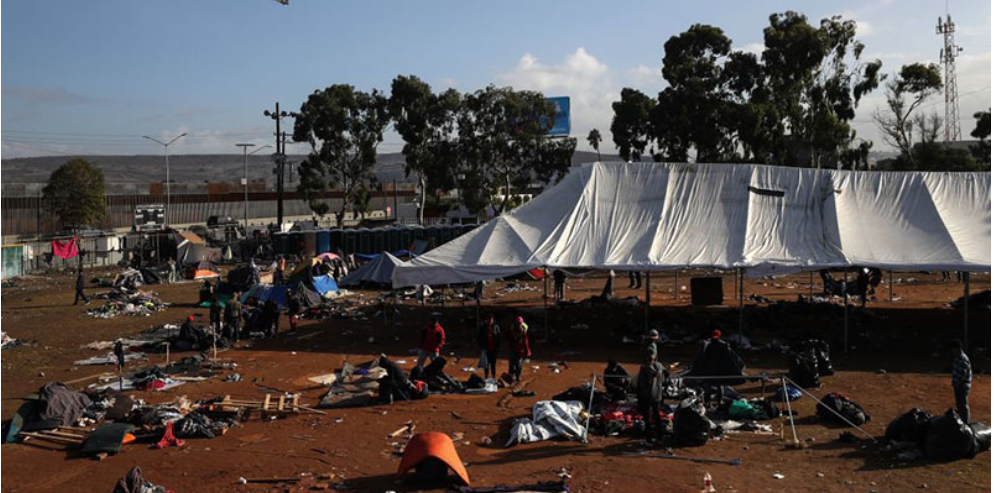
In a world where humanity is purported to be the cornerstone of society, the treatment of vulnerable populations, particularly women and children, is something that must be scrutinized. The recent shutdown of a migrant shelter in Tijuana, prompted by an overflowing influx of people, is a stark manifestation of the systemic failures embedded in both our policies and societal attitudes toward migration. Mainly, it raises questions about health risks and the inherent need for a feminist interrogative of how we approach those most affected: women and children.
What transpires when overcrowding becomes the norm in shelters designed to offer respite? Many voices go unheard, but today, we amplify the stories of women trekking through trials and tribulations just to find solace. Thus, the vehement stifling of their cries for help demands an urgent feminist response.
The Crumbling Foundation of Migrant Support Structures
At the heart of the matter lies a colossal failure of support systems that should safeguard the health and dignity of those who arrive seeking refuge. Overcrowded shelters are not merely logistical nightmares; they embody a lack of societal compassion and effective governance. Feminist theories teaching us that systems of oppression often intersect demonstrate a dire need to analyze the unique struggles women face in these environments.
Women arriving in Tijuana endure heightened risks. They’re subjected to violence and marginalization, leaving them vulnerable not just to physical harassment but also to a myriad of health issues that epidemic overcrowding exacerbates. When shelters teeter on the brink of collapse, so too does the delicate web of community support meant to sustain them.
The prevalent environment in packed shelters becomes a breeding ground for health complications—everything from communicable diseases to severe psychological stress. Imagine a young mother, waiting for assistance, crowded alongside hundreds in unsanitary conditions. The complications multiply exponentially when one considers the health of expectant mothers or those with young infants who are especially sensitive to environmental conditions. The risks are tantamount to state-sanctioned neglect.
Viewing overcrowding through a feminist lens reveals a critical omission: the recognition of women’s issues in migration policies. When our systems fail to prioritize the immediate needs of vulnerable groups, we perpetuate cycles of hopelessness that disproportionately impact women and children. Therefore, the crux of this conversation must involve calling out not only the physical barriers but also the ideological ones that prevent justice from being served.
The Unseen Health Risks: More Than Just a Number
Health is multifaceted—it’s physical, mental, social, and emotional. The tangible implications of overcrowding present undeniable health risks, yet they also reflect deeper psycho-social crises stemming from trauma. Women migrating often carry the weight of familial responsibilities and unexpected baggage—divorce, abuse, abandonment. When placed in overwhelming situations, these issues can culminate in a perfect storm of mental health crises.
The dire absence of mental health resources in overcrowded shelters needs to come to the forefront of our conversations. Women who arrive with pre-existing trauma should not be re-traumatized by an environment that amplifies fear and anxiety rather than mitigates them. Shelters must be viewed as sanctuaries, not prisons. When overcrowding is an accepted excuse to close down these refuges, we must ask: Who are we ultimately protecting?
Society’s failure to understand the intricate relationship between health and gender in migratory contexts contributes to a dangerous cycle. When shelters are shut down, particularly for women subjected to violence or trauma, they are pushed back into dangerous situations, perpetuating a cycle of victimization. No one should have to make the choice between safety and accessing essential healthcare.
The Intersection of Feminism and Migrant Rights: A Call to Action
As the walls close in on shelters and those who seek refuge within, the call for feminist activism grows louder. We must storm the gates of indifference and demand that policy makers fortify support structures rather than dismantle them. Every voice matters—especially those often overlooked: the young mothers, the pregnant women, the children, and the elderly.
Feminism, to be unequivocally effective, must be intersectional. It should stand not only for women’s rights but for the rights of all marginalized individuals. This situation in Tijuana is not just a humanitarian crisis; it’s a call for an intersection of ideologies that champion the rights of those least able to defend them. Establishing specialized care tailored for women and children in migrant shelters should be non-negotiable. The idea that overcrowding is a legitimate reason for halting care is not only ludicrous but dangerous.
The time has come to mobilize grassroots activism. We must harness the power of social media to amplify these voices and drive change. Performative allyship is insufficient. We need real, systemic changes that address the heart of these issues. Awareness campaigns, advocacy efforts, and legislative initiatives aimed specifically at protecting the vulnerable must burgeon from our collective consciousness.
Breaking the Silence: Engaging the Younger Generation
In an era where social media lets us converse about anything and everything, young people have a unique opportunity to forge a path toward justice for all. This isn’t merely a call to awareness. It requires passionate engagement. Start conversations in your circles. Share stories, support causes, and hold decision-makers accountable. Speak out against the injustices faced by migrant women in tandem with larger global movements of feminist activism.
It’s essential to ignite a sense of urgency. We, the youth, often hold the power to reshape narratives and challenge norms. Don’t allow this crisis to dissolve into silence or numb acceptance. Take initiative. Whether through volunteering, donating, or advocating on platforms, remember: you are not just fighting for marginalized women; you are redefining what activism looks like for a generation that seeks to uplift, support, and revolutionize.
In conclusion, the closure of a migrant shelter in Tijuana due to overcrowding is more than a logistical catastrophe—it’s a moral failing. Each statistic represents human suffering that, when ignited with empathy, transforms into a powerful narrative. Feminist theory underscores that the struggles faced by women, particularly in migration, are not isolated—they are interconnected. In our quest for justice, the time has come to shatter the silence around these systemic inadequacies. Through awareness and action, we can pave the path towards meaningful change. Women and children deserve more than mere sanctuary; they deserve equity, dignity, and hope.