In the tapestry of global feminism, few initiatives resonate as powerfully as the Peace Corps. Its mission to cultivate mutual understanding and promote sustainable development spans cultures and continents, yet perhaps its most remarkable legacy lies in the opportunities it creates for women. The Peace Corps expands avenues for women worldwide, not merely as beneficiaries of aid but as leaders, innovators, and changemakers in their communities.
What does it mean to empower women through volunteerism? It’s a provocative question that demands exploration, as the implications extend far beyond the individual volunteer’s experience. The Peace Corps stands at the intersection of feminism and international service, where traditional roles are challenged and transformed. In this discourse, we must identify how this organization not only combats global poverty but also dismantles the patriarchal structures that limit women’s potential across diverse socio-economic landscapes.
Let’s delve deeper into the complexities of this dynamic relationship, exploring how the Peace Corps facilitates empowerment, ignites social change, and champions sustainable development specifically for women.
Amplifying Female Voices in Global Development
The Peace Corps has a transformative ethos, promoting grassroots development in underserved regions. Yet, the most radical outcome is its commitment to amplifying female voices in the global development narrative. Women are not merely stakeholders but pivotal architects of change in their communities. Through programs targeting education, health, and economic empowerment, the Peace Corps positions women at the forefront, elevating their contributions and experiences.
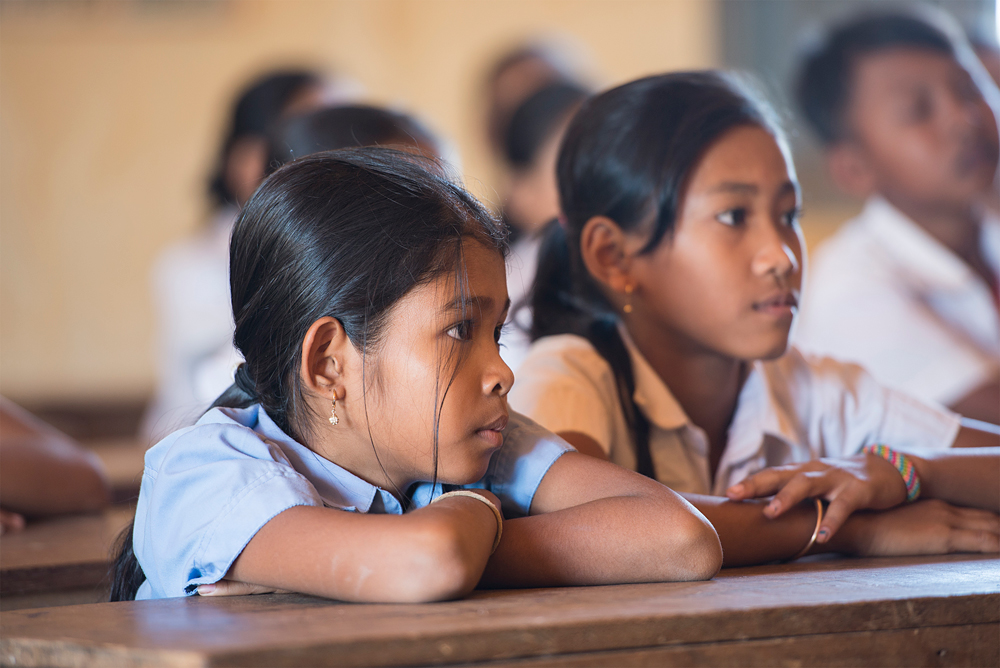
Take, for instance, recent initiatives focusing on girls’ education in regions where cultural norms have historically relegated them to the sidelines. Peace Corps volunteers work tirelessly with local communities to foster environments that prioritize education for girls. The ripple effect is profound—when girls gain access to education, they become agents of change, influencing household decisions and driving economic development.
However, this reconfiguration of societal norms does not occur in a vacuum. The Peace Corps embraces a participatory approach, collaborating with women and men alike to redefine gender roles. By engaging local men to support women’s aspirations, the organization challenges toxic masculinity and fosters an inclusive community ethos. This aligns with feminist principles of collaborative empowerment, ensuring that the progress achieved is sustainable and collective.
Transforming the Narrative Around Women in Leadership
No discussion about women and the Peace Corps would be complete without addressing the critical role of female leadership. Leadership has long been dominated by male voices, and the narratives that accompany it have reinforced gender disparities. The Peace Corps disrupts this status quo by training and elevating women to positions of authority and influence in their own communities.
Through targeted leadership programs, women are equipped with the skills and confidence necessary to navigate political, economic, and social landscapes. These women often emerge as catalysts for grassroots movements, advocating for changes that resonate with the lived experiences of those around them. They incorporate feminist principles of inclusivity and equity into local governance, healthcare access, and educational policy.
A poignant example can be found in the stories of female volunteers who return to their home countries or communities with renewed purpose. They do not only share their experiences but also implement sustainable projects that resonate with local needs. Their ability to connect with communities on a personal level is a potent tool for fostering collective action. Women’s leadership in these contexts represents a formidable challenge to pervasive patriarchy, promoting frameworks where women’s voices are not just heard but celebrated.
Addressing Intersectionality in Global Feminism
As feminist discourse matures, there is a growing recognition of the need to address intersectionality—how race, class, sexuality, and other identities intersect to shape experiences of oppression and privilege. The Peace Corps grapples with these complexities by tailoring its programs to address the specific needs of diverse female populations.
Current initiatives prioritize marginalized groups, amplifying the struggles of women who face multiple layers of discrimination. For instance, indigenous women, women of color, and those from lower socio-economic backgrounds often encounter unique obstacles that conventional approaches fail to address. By integrating intersectional analysis into its programming, the Peace Corps not only empowers individual women but also enriches the broader feminist movement by recognizing and honoring the distinct challenges faced by these women.
This framework does not just enhance the effectiveness of development initiatives; it also reshapes global perceptions of feminism. By showcasing the resilience and leadership of diverse women, the Peace Corps cultivates a richer, more inclusive narrative that elevates all women’s rights.
The Role of Sustainability in Women’s Empowerment
To think about women’s empowerment within the context of the Peace Corps means acknowledging the crucial link between empowerment and sustainability. Feminism and environmentalism are increasingly interconnected, pushing for solutions that recognize women’s prowess in sustainability efforts. In regions where resource scarcity prevails, women often serve as the backbone of agriculture and resource management.
One burgeoning area of focus is renewable energy solutions, where women are not only beneficiaries but also active participants in crafting sustainable community practices. By engaging women in climate-adaptive strategies, the Peace Corps fosters resilience against the harsh realities of climate change—a facet of feminism that is often overlooked but essential for sustainable progress.
The potential for women to contribute to environmental stewardship is enormous. Examples abound where women-led initiatives in agriculture provide nutrition for families while simultaneously advancing climate resilience. The ripple of such initiatives extends well beyond individual households, promoting healthy communities and stimulating local economies.
Challenges and Gains: A Realistic Perspective
Despite these admirable achievements, one must acknowledge the persistent challenges that the Peace Corps faces in its mission. Gender norms entrenched in cultural practices often pose significant hurdles. Moreover, the intersectionality of race and class complicates the endeavor, suggesting that solutions must be nuanced and adaptable.
The Peace Corps’ commitment to continuous learning and adaptability serves as a testament to its integrity. Each setback is viewed as an opportunity for reflection and growth, propelling the organization toward innovative approaches that consider the multifaceted experiences of women. Thus, while triumphs are celebrated, systemic change is recognized as a gradual process that requires concerted effort and unwavering commitment.
In Conclusion: The Future of Feminism and the Peace Corps
In the grand scheme of social justice, the Peace Corps stands as a formidable platform that challenges and transforms the global landscape for women. Its commitment to women’s empowerment is not just an act of charity; it is a radical movement toward equity and justice. As feminist discourse evolves, so too must our understanding of collaborations that transcend borders. The Peace Corps exemplifies this approach, reminding us of the complexities and interconnectedness of our struggles for gender parity.
Looking ahead, it is imperative that the Peace Corps continues to refine its strategies, ensuring that women’s empowerment remains central to its mission. Only then can it claim the mantle of true feminist advocacy, creating a world where women’s contributions are recognized, valued, and celebrated for their profound impact. The correlation between feminism and development is more than a question of opportunity; it is a clarion call for reform that respects and elevates the vital roles women play in shaping our future.