The recent decision to reinstate the Planned Parenthood booth at Lilith Fair following the uproar from artists and activists alike marks a watershed moment in the ongoing struggle for reproductive rights, and it begs a fervent examination of feminism’s relationship with such crucial organizations. This incident not only highlights the enduring relevance of Planned Parenthood in fostering autonomous reproductive choices but also casts a spotlight on how art, activism, and feminism can coalesce into a powerful alliance for societal change.
As we delve deeper into this issue, let’s dissect the underpinning motivations behind the protests, the implications of reinstating the booth, and how this harmonizes with the larger landscape of feminist activism.
The Initial Outcry: Why Planned Parenthood Matters to Feminism
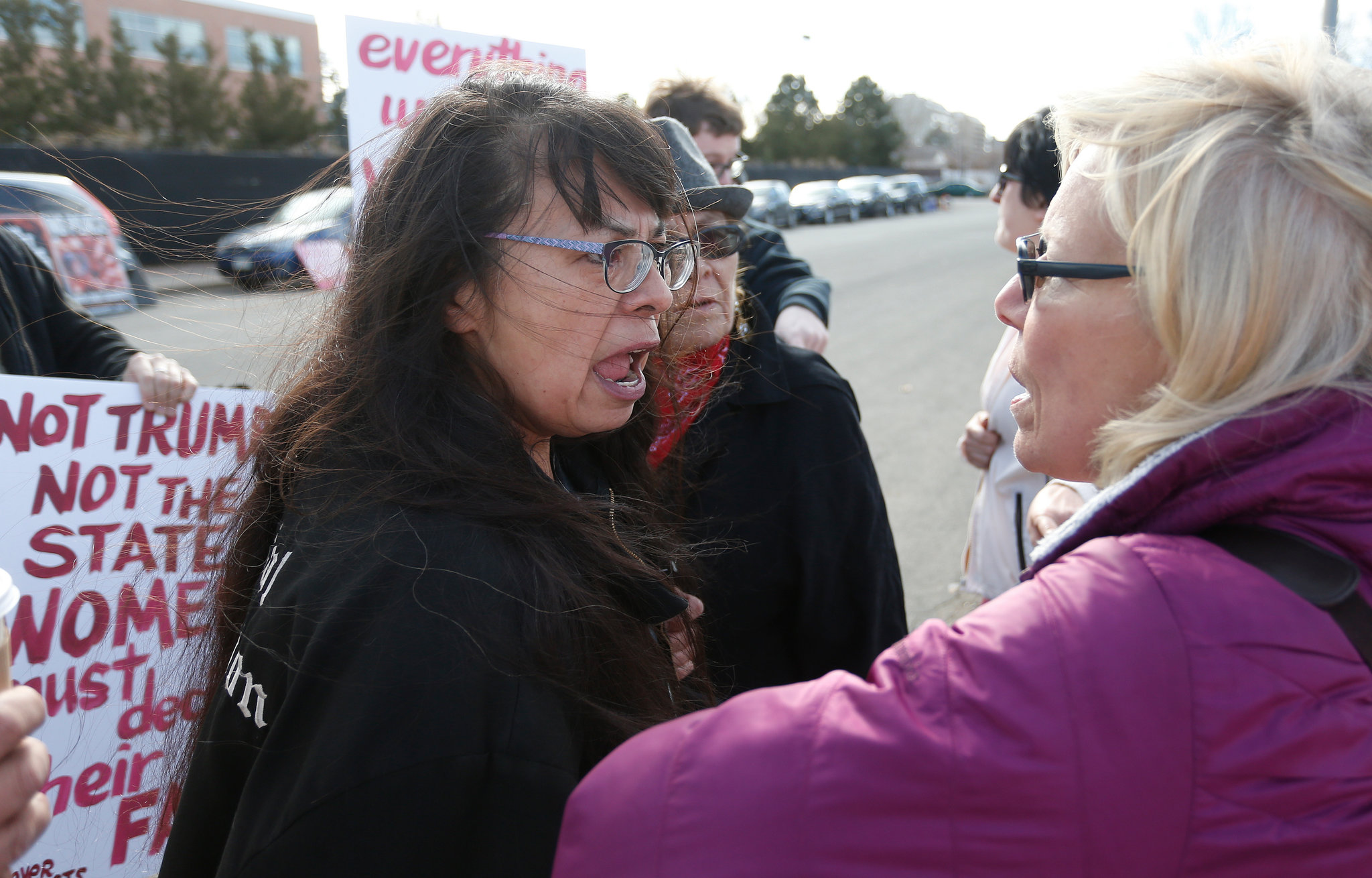
When it comes to reproductive rights, few organizations symbolize the fight for women’s autonomy as powerfully as Planned Parenthood. Apart from providing vital health services—including cancer screenings, contraceptive access, and, importantly, safe abortions—Planned Parenthood embodies a broader ideological battle: the struggle for women to decide their own destinies. Protesters at Lilith Fair expressed that the ban on the booth was a slap in the face to feminist values. Their impassioned outcry beautifully encapsulates the essence of feminism—it’s not merely about advocating for women’s rights but about preserving the freedom to exercise those rights without obstruction or stigma.
The restitution of the booth following this protest is more than a logistical adjustment; it’s a declaration that the feminist movement acknowledges and supports the inseparable link between an individual’s choice and their human rights. Is it conceivable to espouse feminism while turning a blind eye to the very institutions that facilitate women’s agency? The initial ban came across as a denial of the complexities of women’s lives, an oversimplification that trivializes the myriad challenges faced by many. The reinstatement, therefore, serves as a powerful affirmation that reproductive healthcare is indeed women’s healthcare.
The Amplified Voice of Artists: Culture Meets Activism
Artists wield a unique influence, a power that can ripple through culture, stirring passions and galvanizing societal change. In the case of the Lilith Fair protest, a collective of artists took a stand, mobilizing their audience and social media presence to amplify their dissent against the booth’s absence. This wasn’t merely a protest; it was a clarion call for collective responsibility in feminist activism. In a world rife with political and social turbulence, the intersection between art and activism becomes ever more vital, forging paths that raw statistics and dry policy discussions often overlook.
By leveraging their platforms, these artists—many of whom are women in an industry that often dismisses them—showed that making a statement about reproductive rights transcends mere rhetoric. It becomes a narrative; it evolves into a pulsating movement that resonates on millions of personal levels. When artists advocate for Planned Parenthood, they are not only endorsing a service; they are engaging in a dialogue about community, accessibility, and the need for comprehensive reproductive education, all integrated within the fabric of feminist ideals.
This convergence raises an important question: How far should artists go in using their influence for social change? Should they risk alienating some fans for a cause they believe in? The answer is a resounding yes. True activism often requires the courage to disrupt, to provoke, and sometimes to inconvenience those who refuse to acknowledge the nuances of reformative struggles. This act of reinstating the Planned Parenthood booth at Lilith Fair isn’t simply a tactical victory; it symbolizes an awakening in the feminist movement where shared voices—whether in music or protest—create a complex and rich tapestry of activism.
A Feminist Reclamation of Safe Spaces
Safe spaces—those sanctuaries where one can express oneself freely, devoid of hostility—have become a pivotal talking point in discussions about feminism, particularly in the context of reproductive rights. The hubbub surrounding the Planned Parenthood booth at Lilith Fair underscores the necessity of these spaces. Feminism must wrestle with the dual responsibility of protecting these sacred havens while illuminating the diverse experiences that women inhabit. Reinstating the Planned Parenthood booth represents a reclamation of such a space, signifying that women’s healthcare and wellbeing must not only have a footprint but also a robust voice in environments that celebrate femininity and solidarity.
However, the complexity doesn’t end there. The fallout from the protests opens a Pandora’s box of dialogues surrounding who gets to occupy these spaces and whose voices are represented within them. The right to access reproductive health services is inherently intertwined with the right to assemble and advocate freely. Therefore, it is not just about having a booth—it is a clarion call to feminists everywhere to remain vigilant, ensuring that the movement does not become an exclusive club that inadvertently marginalizes certain identities or experiences under the banner of “womanhood.”
Feminism must, and can, include all facets of women’s experiences without discrimination. Planned Parenthood stands as an emblem of inclusivity, recognizing that reproductive rights are not only an issue for women but intersect with myriad other identities, including race, class, and sexual orientation. Elevating this dialogue allows for richer conversations that encapsulate the multifaceted nature of oppression and liberation. Thus, the reinstatement of the Planned Parenthood booth is not merely a win for one organization; it’s a pointed strike at the very heart of a feminist movement that should always aim to be intersectional and inclusive.
Concluding Reflections: The Road Ahead for Feminism and Reproductive Rights
The reinstatement of the Planned Parenthood booth at Lilith Fair embodies a moment of introspection for the feminist movement. It shines a spotlight not only on the pressing need to protect reproductive rights but also on the pivotal role art and culture play in advocating for those rights. It reinforces the notion that activism does not exist in a vacuum; instead, it thrives when woven into the experience of everyday life and popular culture.
As feminism continues to adapt and evolve in the face of new challenges, it must remain anchored in the principles of inclusivity, advocacy, and intersectionality. The Lilith Fair protest serves as a galvanizing reminder of the collective strength that emerges when voices unite for a common cause. Reproductive rights, far from being a singular issue, are integral to the liberation of all women—and that is the rallying cry we must keep echoing.
Moving forward, feminists must strive to ensure that reproductive rights do not morph into mere political bargaining chips or faded memories reshaped for a more palatable discourse. Instead, they must remain vibrant, celebrated components of a broader human rights struggle. Feminism recognizes the intricacies surrounding choice, bodily autonomy, and the inequities faced by so many—and it calls for resilience in the face of adversities. Together, we can cultivate a world where Planned Parenthood not only has a booth but also serves as an everlasting testament to the unyielding fight for women’s rights.