The economic landscape for American women is profoundly fraught with myriad challenges—an intricate tapestry of obstacles woven together by systemic inequities, societal expectations, and economic miscalculations. The latest findings illuminate a situation that demands our immediate attention, urging us to reconsider the implications for our future. Why isn’t the conversation surrounding women’s financial stability at the forefront of feminist discourse? It’s time to delve deeper, unraveling these complex layers and compelling us to confront the stark realities many women face.
Because to ignore these challenges is to ignore the evolution of a crucial conversation that intersects with gender, class, and race. This report is not merely a collection of statistics; it serves as a clarion call for a necessary paradigm shift—a rallying point in the ongoing struggle for gender equity. What does it mean to be a woman navigating these economic terrains today? Are we prepared to tackle the inadequacies that have led to such glaring disparities? This discourse propels us to analyze the implications of financial precarity on women’s lives and explore new pathways forward.
As we embark on this exploration, expect to confront assumptions and challenge the status quo. The implications of inaction are dire, demanding an urgent redirection of how we frame economic discussions in a feminist context. Can we afford not to address these pressing concerns?
Economic Insecurity: A Historical Context
To fully grasp the gravity of the challenges American women currently face, one must first traverse the historical landscape of women’s financial rights and opportunities. Although strides have undoubtedly been made since the women’s suffrage movement, we find ourselves at a crossroads where progress feels painfully slow, if not stagnant. Women today still earn less than their male counterparts, a persistent issue rooted in patriarchal constructs that go back generations.
Women have been relegated to the peripheries of financial discourse for far too long, often perceived as secondary earners, and their contributions undervalued. This historical oversight culminates in economic policies that disproportionately impact women’s financial outcomes. The question remains: how can we reconcile a history of disenfranchisement with the urgency of the present? The answer lies in acknowledging how far we have come—but also scrutinizing how far we still have to go.
Financial Literacy: Breaking the Cycle of Dependence
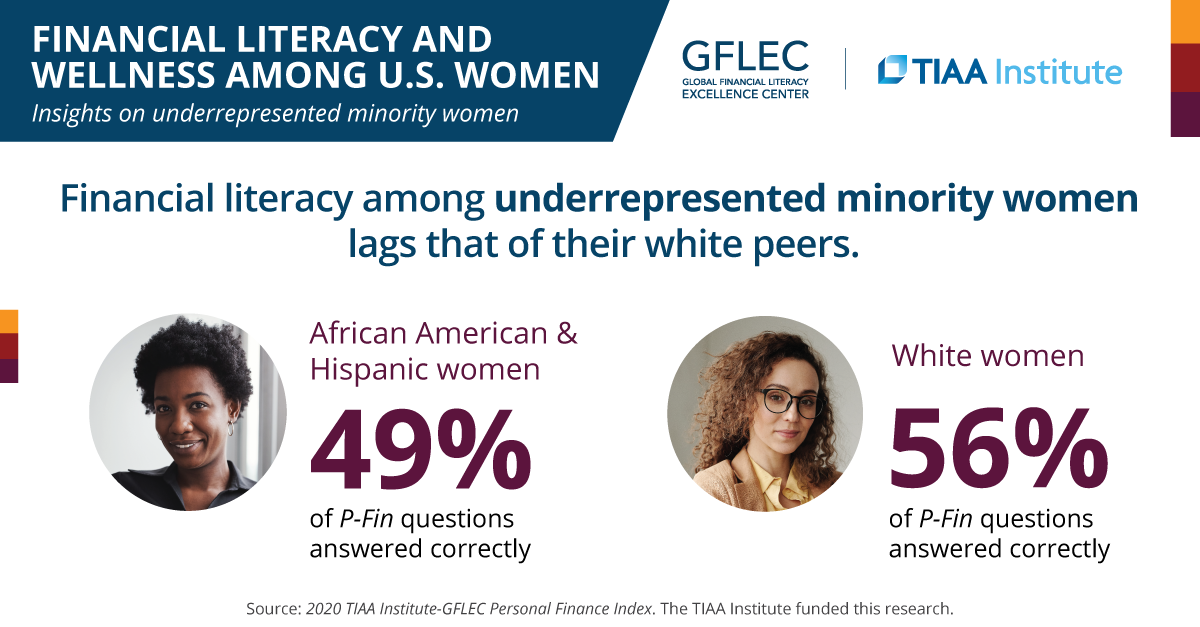
The report highlights an alarming trend: a substantial number of women lack the financial literacy essential for navigating today’s complex economic terrain. Financial education plays a pivotal role in fostering independence, yet many women find themselves unequipped to make informed decisions about savings, investments, and retirement planning. This knowledge gap is not just a personal failing; it is a systemic injustice that perpetuates economic dependency.
Women, more often than not, are socialized to prioritize caregiving roles over financial acumen, which can lead to catastrophic consequences during precarious moments, such as job loss or unforeseen health crises. It’s an insidious cycle where ignorance breeds vulnerability, and vulnerability begets further economic insecurity. Feminist activists must galvanize efforts to prioritize financial education, empowering women to reclaim agency over their financial futures. We owe it to ourselves and to future generations to dismantle this cycle and foster a culture of financial awareness.
Intersectionality: The Multidimensionality of Economic Challenges
It is critical to analyze the intersectionality of the economic challenges faced by women, which manifests not only through gender but also through race, class, and socioeconomic status. The report elucidates the discrepancies in economic security experienced by women of color, who often face compounded obstacles due to systemic racism and classism. The one-size-fits-all approach to policymaking fails miserably, leaving many marginalized groups behind in the pursuit of economic equity.
It becomes imperative to recognize that the economic experiences of white women, while significant, do not encapsulate the spectrum of challenges faced by all women. In understanding these multifaceted experiences, feminists can better advocate for policies that intentionally address the needs of all women—irrespective of their intersecting identities. Addressing these disparities requires an unwavering commitment to inclusivity and an understanding that true empowerment cannot exist in silos.
The Gig Economy: A Double-Edged Sword
The rise of the gig economy has offered many opportunities, but it also underscores existing inequalities. Women are overrepresented in gig work, which often promises flexibility but delivers precariousness. With fluctuating incomes, lack of benefits, and no job security, the gig economy can exacerbate financial stress rather than alleviate it. The allure of making one’s own hours and being one’s own boss comes at a significant cost—one that too many women are unprepared to bear.
Moreover, the fallout from the pandemic has made it even clearer that gig work can be a precarious choice. With fluctuating economic stability, many women are left to scramble for resources while balancing caregiving responsibilities and household management. A shift in perspective requires us to challenge the institutional barriers that perpetuate this cycle of economic vulnerability. We must advocate for equitable labor rights that prioritize the welfare of workers, particularly the women who form the backbone of this burgeoning economic sector.
Policy Reforms: The Call for Systemic Change
The report beckons us to consider the urgent need for substantive policy reforms that address the disparities in economic resilience among women. These reforms must extend beyond surface-level solutions, embracing a holistic approach to dismantling the systemic barriers hindering women’s financial progress. Policies mandating equal pay, affordable childcare, and universal healthcare would represent a monumental shift in how we perceive women’s roles within the economy.
Structural change is essential. We need to mobilize public opinion, galvanize grassroots movements, and demand accountability from decision-makers. It is crucial to recognize that advocating for systemic reform is not just about women—it is about fostering an equitable society where everyone can thrive. Solidarity among women—and across all genders—is critical for these changes to take root.
The Future of Feminist Economic Discourse
In crystallizing these ideas, one can see the promise of a future where women are not merely bystanders within the economic sphere but active participants advocating for change. The report presents us with a tantalizing question: How can we reframe our economic discourse to include women as a driving force for systemic transformation? Whether through grassroots initiatives aimed at financial literacy or advocacy for groundbreaking policy reforms, the future hinges on our ability to forge new narratives and dismantle antiquated systems of thought.
To move beyond mere discussion and into actionable change, we must prioritize inclusive dialogues that challenge the status quo and mobilize collective action. The urgency of the matter requires that we sharpen our focus on the economic destinies of women and their foundational role in any sustainable recovery. This is not merely a women’s issue; it’s a societal imperative.
In the pursuit of economic equity, we cannot afford to be complacent. We must harness the energy of this moment, setting ablaze the paths toward true financial justice. Together, we have the power not just to envision change but to enact it. Are you ready to join the movement? The time for action is now.