

















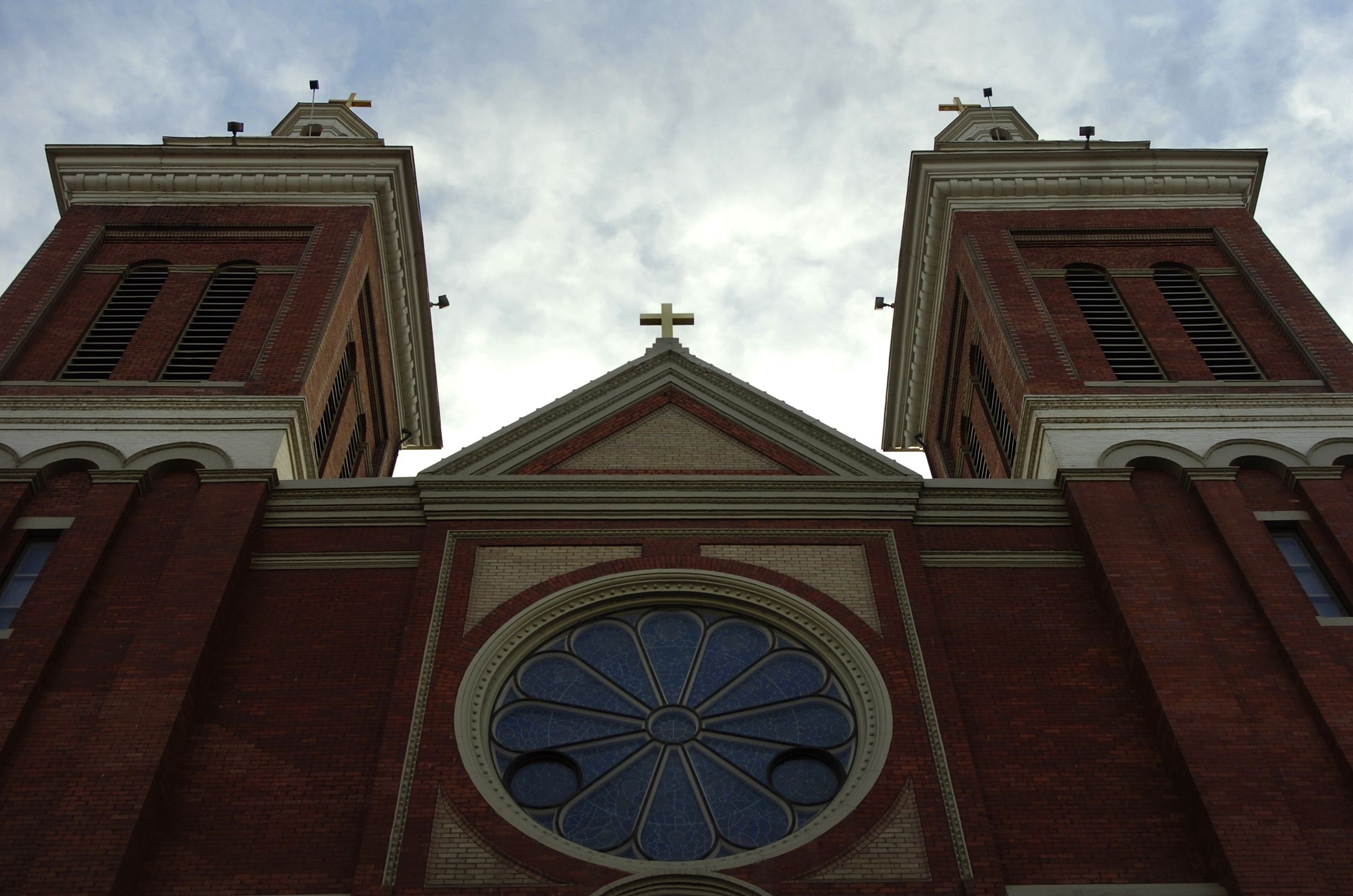
In a society increasingly concerned with justice, equity, and accountability, the Spokane Diocese’s decision to declare bankruptcy amidst a slew of sexual abuse cases raises questions that extend far beyond the boundaries of an ecclesiastical institution. It’s a profound societal reckoning, a challenge for all of us, especially feminist activists, who have been at the forefront of advocating for survivors of abuse. This declaration is not just a financial maneuver; it’s a symptom of systemic failure. The implications echo a larger narrative in which advocates must interrogate the foundations of power, control, and gender-based violence.
The ramifications of this bankruptcy are colossal. It vividly illustrates a moment where the machinations of institutional privilege collide with the ghostly echoes of abuse prevalent across many sections of society. The church’s bankruptcy isn’t simply about economics; it serves as a finger on the pulse of the ongoing trauma experienced by countless survivors. The declaration is a pivotal moment, one that should compel readers to reflect and challenge the conventional narratives surrounding abuse, accountability, and institutional power.
As we examine the tangled web of power, gender, and institutional responsibility, let’s challenge ourselves: why does it take a financial crisis for an institution to confront its most sordid secrets? And why, in an age where we tout progress, do we still grapple with such fundamental issues?
What does it mean for a religious institution—a supposed bastion of morality—to declare bankruptcy? How can a body that preaches forgiveness, redemption, and service be allowed to slip away from responsibility under the guise of financial incapacity? In exploring these questions, we unveil layers of hypocrisy that require our strenuous attention.
Underneath the surface level of bankruptcy lies a deeper stratum of the disempowerment of victims and the systemic shielding of perpetrators. Institutional bankruptcy isn’t merely fiscal; it symbolizes an erasure, a calculated decision by the church to protect its assets at the expense of truth and, ultimately, justice.
It stands to reason that bankruptcy laws were never crafted to offer sanctuary to predatory institutions. But here we are, watching a diocese leverage these laws while the survivors of abuse often find themselves caught in a never-ending cycle of emotional recovery, societal stigma, and repeated trauma. It’s a bait-and-switch of morality; a case study in how institutions can shuffle off the moral burden when it becomes too unwieldy.
Let’s be real: this isn’t simply a legal transaction. The bankruptcy filing is emblematic of a war of attrition. It suggests a calculated strategy of attrition—waiting for the public outcry to subside while managing the fallout as quietly as possible. How many victims will become collateral damage in this transactional game of numbers? And what does this say about our collective conscience?
In a feminist context, the implications of this bankruptcy serve to exacerbate existing concerns about the patriarchy’s grip over both secular and sacred institutions. To see a diocese wield bankruptcy as a pretext for shielding itself from accountability is a slap in the face not only to survivors but also to anyone standing in solidarity with their fight for justice. The question lifts itself above the banal: why isn’t society more incensed? Why do we allow such machinations to proceed unchecked while the demands for justice grow louder among those left in the shadows?
The painful reality is that systemic abuse thrives within institutions built on silence. They don’t just protect the bad actors; they foster a culture that excuses their behavior. We see it in the meandering responses of these institutions—denial, deflection, and a dangerous dance of dismissal. This isn’t merely institutional ineptitude; it’s institutional complicity deeply entrenched in patriarchal hegemony.
This bankruptcy bubble serves as an inflection point, a clarion call for advocates and allies alike. It forces a reconsideration of how we approach the issue of abuse in both religious and secular environments. No longer can silence remain a refuge for those in power. No longer can victims be expected to wait patiently for crumbs of recognition. It’s time to dismantle the systems that perpetuate abuse—both inside and outside the church.
Moreover, the Spokane Diocese cannot be viewed in isolation; it’s a microcosm of the broader patterns of abuse that remain unexamined and unchallenged. By focusing our lens on this diocese, we can ask ourselves: what patterns are mirrored elsewhere? Which other institutions, cloaked in respectability, are skirting responsibility under the watchful eye of a public that yearns for integrity? Each bankruptcy, each scandal, provides us with a moment of reckoning—an opportunity to interrogate our implicit biases and institutional allegiances.
So, let’s stir the pot a bit further. What kind of society do we want to be? One that tolerates the dubious financial gymnastics of institutions that have long crushed the souls of countless individuals? Or one that demands truth and accountability regardless of the costume the abuser wears? Society has a moral obligation to elevate the voices of those who have been silenced by these inequitable systems.
In examining the Spokane Diocese’s declared bankruptcy, let that same declaration serve as an impetus for change—a call to arms, if you will. We must band together in solidarity with survivors, holding institutions accountable not just financially, but morally and ethically. The divisive stratagem of bankruptcy should provoke outrage, not apathy. Silence and complicity nourish malevolence; active engagement is the antidote.
Justice is not just about reparations and settlements but about restoring dignity to those who have suffered. The Spokane Diocese distinguishes itself as a stark reminder of what we stand against—a symbol of complacency and evasion in the face of brutal truths. Thus, there’s an urgent need for all of us to challenge not just the diocese but the very structures that permit such avoidable tragedies to unfold.
As we navigate the conversations surrounding this bankruptcy, let’s remember that true progress includes dismantling these archaic frameworks that protect the interests of the few at the expense of the many. Our fight cannot be for mere survival but for a flourishing future where our values of justice, equity, and transparency reign supreme. We owe it to every survivor to press this issue; let the voices echo and the demands resonate until we achieve a world free from the burden of institutionalized abuse.
The Spokane Diocese’s bankruptcy is a profound symbol of capitulation, but it should also be a rallying cry. We are at the precipice of necessary change—a moment where we can seize the opportunity to confront uncomfortable truths head-on. Are we ready to engage with that challenge, to make the ripples of change resound? It’s time to answer boldly: yes.