
















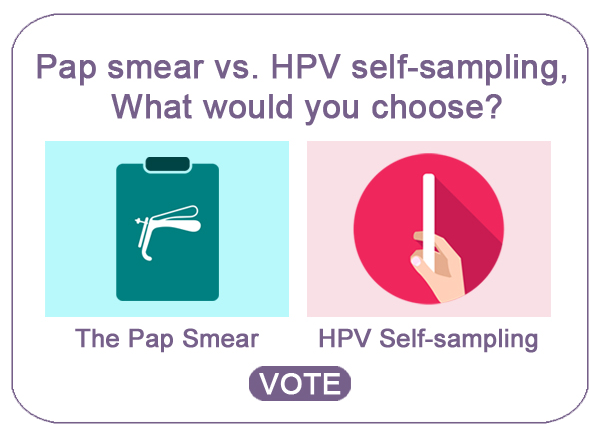
In today’s rapidly evolving landscape of women’s health, the dialogue surrounding HPV screening and its procedures is not just medical jargon; it’s a pivotal feminist issue. As we endeavor towards a world that empowers women, the findings illustrating that at-home HPV screening is both safe and effective could not be more timely. This goes beyond just healthcare—it’s a thrust towards autonomy, personal empowerment, and a long-overdue challenge to the patriarchal norms entrenched in our medical systems. Don’t be passive; engage actively with these revelations. Let’s dive into why at-home HPV screening is a game-changer for women’s health and autonomy.
The Feminist Imperative for Bodily Autonomy
Let’s rip the veil off the idea that women’s bodies are somehow “community property.” The narrative must shift toward ownership and control over one’s health decisions. At-home HPV screening epitomizes this ethos—taking the helm from the often condescending and embarrassing clinic visits that women have traditionally faced. Why should women have to bear the humiliation of undressing in a sterile room, vulnerable to the whims of medical practices established by male-dominated institutions?
The power dynamics in gynecological healthcare have historically ignored women’s voices. Now, we have a compelling opportunity to stride forward with dignity. At-home testing strips away layers of discomfort. Women can conduct these tests in the sanctity of their own homes, unsullied by the judgments that could accompany traditional practices. It’s not just a test; it’s an act of rebellion against the norms that have sought to limit us.
Decoding the Data: The Efficacy of Self-Sampling
The sweeping data from recent studies that indicate the efficacy of at-home HPV testing should compel anyone invested in women’s rights to take notice. Reports illustrate that women who partake in self-sampling have shown not only a willingness to participate in screenings but also a remarkable adherence to follow-up care. Self-sampling reduces barriers, making it clear that when we allow women to take charge, they tend to do better—both in understanding and in addressing their health needs.
But let’s dig deeper here. Think about the traditional systems. There’s a glaring contrast, isn’t there? The detached atmosphere of a doctor’s office, filled with sterile smells and clinical coldness, versus the comfort of your own space where you can choose when and how to manage your health. This isn’t just a matter of preference; it’s essential for mental well-being. Anxiety often clouds our ability to make rational health choices, but eliminating these unnecessary stressors has been shown to improve participation rates.
The longer we continue to enforce standardized healthcare mechanisms that are devoid of consideration for female experience, the longer we stay shackled to the patriarchal norms that govern our medical systems. The choices women make, driven by comfort and empowerment, must be prioritized. If DIY HPV screening is a step in the right direction, we should wholeheartedly embrace it. Let’s throw aside archaic practices that demean us and offer paths to healthier futures instead!
The Societal Upheaval: Empowerment Through Knowledge
At-home HPV screening doesn’t merely serve as a tool for individual health; it is also emblematic of societal shifts toward embracing female empowerment through education and knowledge. Imagine a future where a woman can take control of her health without waiting for permission or validation from a medical professional. This notion is as enticing as it is revolutionary. We want to educate women about HPV and its risks without shrouding the information in a veil of shame. Ignorance, after all, is no friend to empowerment.
Consider the nuances of HPV. This virus is not some ominous shadow lurking in dark corners. It’s a prevalent health issue that carriers face without the stigma that often accompanies a diagnosis. With at-home testing made accessible and easy to understand, women can become more informed about their choices. Knowledge breeds confidence, and confidence fosters a more honest public dialogue about women’s health issues. It is time to dismantle the taboo surrounding HPV and to rally together in open discussions.
The Economic Argument: Cost-Effective Healthcare for Women
Now, let’s not ignore the cold, hard facts: self-sampling is substantially more cost-effective than traditional screening methods. This isn’t merely a number-crunching exercise; it’s a matter of equitable healthcare. Many women may simply not afford the luxury of annual exams or therapeutic interventions that may follow a screening. The economic burden that women often shoulder when it comes to healthcare can lead to devastating consequences.
By promoting at-home HPV screenings, we not only enable women to pursue their health without financial strain but also pave the way for public healthcare systems to shift their focus towards practices that align more closely with actual women’s needs. Isn’t it astonishing that the same male-dominated healthcare systems, which often prioritize profit over care, have not explored these more inclusive options until now? This demand for financial sensitivity requires an unapologetic outcry.
Shattering Stigmas and Normalizing Conversations
Every conversation around women’s health issues must be an invitation to engage—scanf throughout. Imagine the possibilities in unraveling the delicate tapestry of our health narratives. At-home HPV screening encourages such discussions, inviting society as a whole to participate in dialogues previously confined to hushed whispers. We need to bring HPV into the limelight where it belongs, inviting questions, concerns, and tips into our everyday conversations.
Now, challenge yourself—how often do you talk about reproductive health? Why do we continue to allow societal norms to dictate that it’s taboo? When we feel empowered to discuss these topics, we not only validate our struggles but also foster a communal sense of understanding and support. True allyship in feminism demands that we openly dismantle stigmas tied to these discussions.
Let’s challenge the patriarchal underpinnings of medical practices. Embrace at-home HPV screening as a feminist act of revolution that challenges everything from clinical environments to the weaknesses in our healthcare system. As we move forward, let’s advocate for accessibility, affordability, and above all, autonomy in women’s health.
Conclusion: A Call to Doubling Down on Empowerment
In this vibrant juncture of public health and feminism, understanding the implications of at-home HPV screening unveils a rich tapestry of feminist activism, autonomy, empowerment, and the right to one’s body. As women, we must continue to demand more—more options, more autonomy, and more respect for the complexity of our health journeys.
The studies are in, the data is resoundingly clear: at-home HPV screening is not merely a safety net—it’s a launchpad for female empowerment. It’s time to shatter the chains of tradition, break the stigma, and stride boldly into a future where women control their health narratives unapologetically. Your body, your choice, your health! So let’s get talking—let’s shout it from the rooftops—because at the end of the day, there’s nothing more feminist than demanding the right to manage our health on our own terms.