In recent years, the conversation surrounding women’s voter turnout has ignited a fierce debate among activists, scholars, and policymakers. A recent study has emerged, shedding light on the intertwining factors of information accessibility and the indispensable investment of time necessary for enhancing female participation in the electoral process. At the core of feminist ideology lies the contention that political engagement is a fundamental right—a principle that women, despite historical and contemporary barriers, must struggle to reclaim. This discourse unravels the intricate tapestry of women’s enfranchisement, exposing the profound implications of both knowledge and time on their political agency.
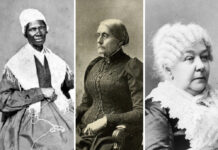
To understand the urgency of addressing voter turnout among women, we must first contextualize the historical precursors that have shaped their relationship with voting. Since the suffragette movements of the early 20th century, where women literally fought for the right to be heard and counted, the act of voting has symbolized much more than a civic duty. It encapsulates the broader battle for equality—an extension of women’s rights into the political sphere. However, statistics reveal a disheartening narrative. Despite the strides made, women’s voter turnout consistently lags behind that of men, indicating an insidious trend that demands our scrutiny.
The latest study articulates that a lack of information remains a formidable barrier to female electoral participation. Key to this argument is understanding that information does not merely refer to knowing when and where to vote; it encompasses a broader spectrum of political literacy. This involves comprehension of the political landscape, awareness of candidates’ positions, and the ramifications of policies that directly impact women’s lives. Unfortunately, many women remain entrapped in cycles of misinformation or outright neglect, perpetuated by both societal indifference and institutional shortcomings.
In a society driven by information, the gender gap in political knowledge is conspicuously pronounced. Women, especially those from marginalized communities, often encounter systemic obstacles—like illiteracy and economic instability—that exacerbate their disengagement from the electoral process. As feminist activists, it is imperative to champion initiatives that enhance access to political education. Workshops, community forums, and grassroots campaigns aimed at debunking the myths surrounding voting, particularly those that dissuade women from participating, are essential. Moreover, these initiatives should be inclusive, ensuring that all women, irrespective of their socioeconomic standing, can navigate the complexities of the political sphere.
To compel women toward the polls, time investment is pivotal. The modern woman wears multiple hats—caregiver, breadwinner, and community member—creating time constraints that complicate political participation. The relentless juggling act often leaves little room for civic engagement. Acknowledging this reality, feminist movements must address the time demands on women by promoting structural shifts: workplace policies that allow for flexible schedules during elections, paid time off for participating in civic duties, and even childcare support at polling stations. The intersection of time and societal expectations creates a perfect storm that silences women’s voices and cancels their votes.
But let’s not stop at merely identifying these barriers; we must confront the root causes of women’s disenfranchisement. A cultural stigma often exists, suggesting that politics is a “man’s domain.” This belief is deeply ingrained and pernicious. It dissuades women from viewing themselves as legitimate political actors, consequently diminishing their motivation to engage in the electoral process. We need to challenge these archaic perceptions vigorously and promote robust narratives that celebrate female leaders and political activists. Only through the reclamation of political legitimacy can women feel empowered to assert their rights through voting.
The role of technology in amplifying women’s voter turnout cannot be underestimated. The digital revolution provides unprecedented opportunities for outreach and education. Social media platforms can serve as powerful tools for disseminating information, fostering dialogues, and creating community-driven movements. However, the digital divide still persists, disproportionately affecting women in rural or economically disadvantaged areas. Therefore, while technology serves as an ally, it must be harnessed judiciously, ensuring that all women, particularly the most marginalized, are included in the conversation.
What of the narratives that have often celebrated incremental progress? They deserve examination. Yes, we have witnessed electoral cycles where women have made significant strides in representation, yet the disparities in turnout paint a stark picture of persistent inequalities. The feminist movement must adopt a more aggressive posture, demanding not only equal representation in government but also equal access to the mechanisms of that representation. This means dismantling socio-political obstacles and cultivating ecosystems where women can thrive, informed and free to vote for their futures.
Sustained engagement is essential. The impact of voter suppression tactics, often cloaked in rhetoric about “voting integrity,” disproportionately affects women and should evoke righteous indignation. Thus, feminist activists must operate both reactively and proactively, confronting these suppressive measures while cultivating a culture of unyielding political participation among women. Grassroots efforts led by women, advocating against voter ID laws and similar policies, are indispensable in creating a robust resistance to disenfranchisement.
The intersection of feminism and electoral participation is not merely about numbers; it is about narratives, identities, and voices. Women must reclaim the political narrative, fostering a sense of camaraderie that transcends individual interests. Mobilization efforts must emphasize collective identity—highlighting the shared stakes that women possess in political outcomes. We must foster alliances that bring together women from diverse backgrounds, uniting them under common causes that resonate beyond the ballot box.
Indeed, let us not overlook the invigorating potential of intersectionality in this discourse. Women from varying racial, ethnic, and socioeconomic backgrounds face distinct yet overlapping challenges. Addressing voter turnout through an intersectional lens allows for a nuanced understanding of how these factors influence electoral participation. Therefore, feminist movements must proactively include these diverse voices, eschewing monolithic narratives that fail to capture the rich tapestry of women’s experiences.
As we seek to increase women’s voter turnout, let us remain relentless in our pursuit of not just any engagement, but an informed, empowered, and inclusive participation. Political empowerment for women is not just a statistical goal—it is a moral imperative. Let us usher in an era where all women feel compelled to make their voices heard at the ballot box, confident in their knowledge and unburdened by the constraints of time. In doing so, we breathe life into the very essence of feminism—where every woman’s vote signifies not merely a count in a tally, but a declaration of autonomy, strength, and equal representation.