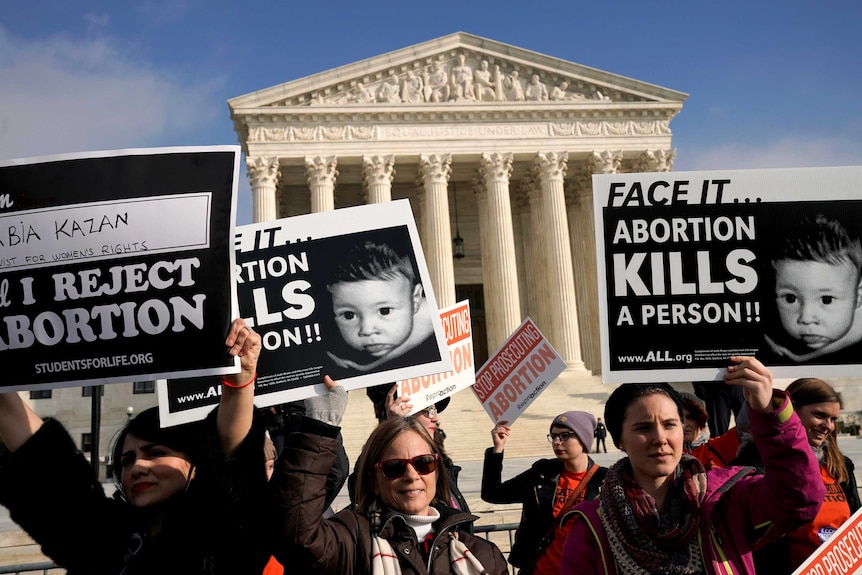
The landscape of reproductive rights in America is curdled with controversy, not least due to the labyrinthine legal battles revolving around abortion access. As the Supreme Court embarks upon a new examination of abortion rights, the crux of this discourse hinges not merely on legalese or judicial interpretations, but on fundamental principles cascading from the very ethos of feminism. This examination transcends the dichotomy of pro-choice versus pro-life; it slices deeper into the heart of bodily autonomy, human dignity, and the relentless fight against patriarchal social constructs.
To understand the profundity of the United States Supreme Court’s mounting challenges regarding abortion, one must dissect not just the legal ramifications but the societal fabric woven by feminist ideologies. The implications of judicial decisions extend far beyond the courtrooms—they resonate through the corridors of our collective consciousness, disproportionately affecting marginalized groups and altering the trajectory of gender equity. Thus, the current deliberations are not just a legal battleground; they are a feminist front-line.
The looming specter of restrictive abortion legislation encapsulates an existential struggle for control over women’s bodies. This argument is not merely a matter of personal choice—it is an assertion of agency against a backdrop steeped in misogyny. Women’s autonomy over their reproductive rights is inextricably linked to feminist principles advocating for equal rights, social equity, and justice.
As we delve into the various dimensions of this critical issue, it is essential to consider the layers of complexity surrounding the intersection of law, feminism, and reproductive rights.
Disentangling Abortion Rights from Legislative Power
At the heart of the abortion rights debate lies a palpable tension between state-imposed regulations and individual liberties. The Supreme Court has historically oscillated between affirming reproductive rights and succumbing to regressive legislative pressures. However, the stakes have risen dramatically with recent appointments and rulings that have intensified the battle lines drawn by political ideologies. What the Court decides impacts the very nature of women’s rights—not just in isolation but within a broader societal context.
To comprehend the implications of the judicial climate, one must examine landmark cases, from Roe v. Wade, which inscribed the right to choose into law, to the incremental erosion seen in later decisions. The current conservative majority court poses an existential threat to the precedents established, underscoring the urgent need for vigilant advocacy. The imminent challenge before the court is more than an attack on legal precedents; it is a systematic campaign aimed at dismantling the foundational principles of gender equality embedded within feminist discourse.
Legislation seeking to restrict access to abortion is often predicated on moralistic arguments that fail to take into account the socioeconomic realities that women face. These laws disproportionately affect low-income women and women of color, further entrenching systemic inequities. This inequity is glaringly evident, as the adoption of stringent abortion laws often forces economically disadvantaged women into making perilous choices, thereby endangering their health and future prospects.
Reproductive Justice: More than Just a Legal Issue
Feminism espouses a vision of reproductive justice that transcends mere access to abortion. It encapsulates a broader spectrum of rights concerning bodily autonomy, healthcare access, and the ability to raise children in a safe, nurturing environment. The Supreme Court’s decisions on abortion will invariably affect how society interprets the sanctity of women’s choices. It brings to light the essential question: Are reproductive rights a mere legal concern, or do they fundamentally shape our understanding of human rights and justice?
The feminist lens further provides insight into how these legal battles are laden with implications for other crucial rights, including access to contraception, maternal healthcare, and comprehensive sex education. Each of these components is interlinked, painting a holistic picture of what true reproductive rights entail. The ongoing challenges faced by the Supreme Court signal a pivotal moment in this struggle—not just for abortion rights but for all aspects of reproductive justice.
Nowhere is this more evident than in the case of marginalized women, who often face the gravest consequences as their rights are overshadowed by the prevailing political narrative. From undocumented immigrants to low-income women accessing healthcare, the ramifications of abortion legal battles ripple outwards, often exacerbating existing disparities.
Judicial Activism: A Double-Edged Sword
Identifying the forces at play within the judicial system reveals the uncomfortable reality of judicial activism. While it can serve as the catalyst for progressive change, it can also be wielded maliciously to reinforce patriarchal norms. The current Supreme Court’s atmosphere is charged with a sense of determinism that raises pressing questions about who dictates what constitutes moral or ethical governance.
The feminist position is clear: the power to legislate morality has often been appropriated by those who lack firsthand experience of the very issues they seek to govern. The detachment from personal experience renders legal decisions dangerously abstract—decisions that are profoundly personal and societal rolled into one. This disconnect exacerbates the relegation of women’s voices, further entrenching them in a cycle of oppression.
The implementation of policies that restrict abortion access serves as a stark reminder of how legislative authority may infringe upon individual rights. As the Supreme Court grapples with this reality, feminist activism is crucial—not merely as a reaction but as a proactive force demanding a robust defense of reproductive rights.
Mobilizing Feminist Action: Rising to the Challenge
The wave of indignation among feminists and allies alike is palpable, as the prospect of losing hard-fought rights spurs a renaissance of activism. It is imperative that movements coalesce to fortify the narrative of reproductive rights, prioritizing voices that resonate with the urgency of the matter. Feminist activism now faces the daunting task of mobilizing a multifaceted coalition capable of challenging regressive ideologies and shaping a future that honors bodily autonomy.
Activism can take various forms—from grassroots organizations that provide direct resources, to expansive networks advocating for policy change. The imminent challenges posed by the Supreme Court require strategic alliances that traverse traditional divides. The interrelation of issues like economic inequality, healthcare accessibility, and systemic racism underlines the necessity for a comprehensive approach to reproductive justice. The feminist movement must assert its unwavering commitment to inclusivity in every aspect.
Ultimately, the Supreme Court’s deliberations on abortion rights are not insulated but exist within a broader feminist ethos seeking to redefine justice in terms of equity, access, and the rightful status of women’s autonomy. The stakes of these challenges are astoundingly high, and the implications of the outcomes will reverberate throughout history, influencing generations of women to come.
The message is unequivocal: feminist advocacy is more than a moral or political stance; it is a clarion call to action. The continuing quest for reproductive rights demands not only vigilance but also an unwavering tenacity to ensure that the hard-won victories of the past are not undone. It is through this lens of unified resistance that feminism will reclaim its narrative and assert the right to choose for every woman.