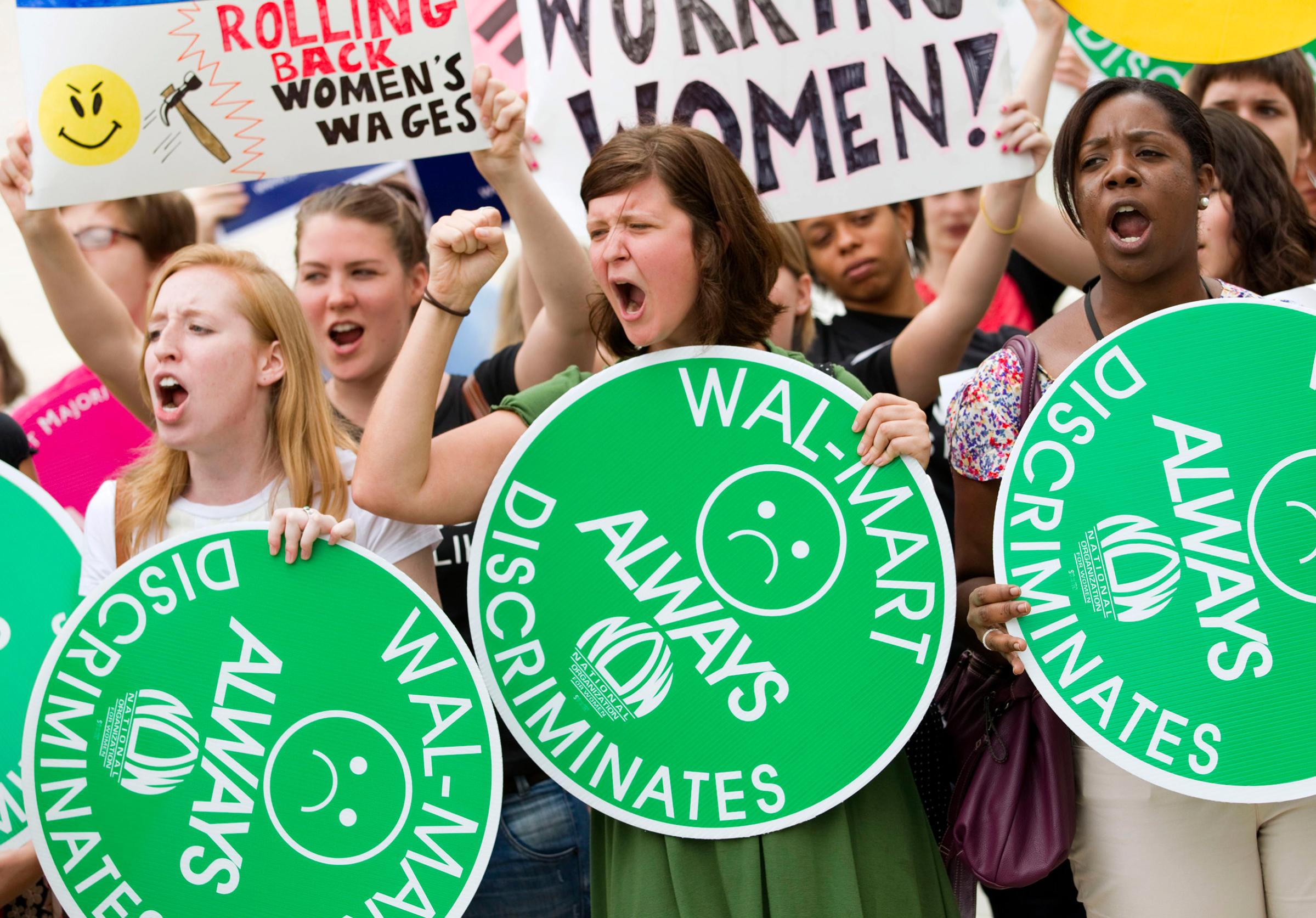
The looming specter of the Supreme Court hearing regarding the Walmart gender discrimination case is about more than just a corporation; it’s about the very fabric of our society and the relentless fight against systemic inequity. This moment could either be a turning point for gender equality in the workplace or another tattered milestone in a long history of institutional neglect. Millennials and Gen Z must rise and be the architects of a more equitable future—after all, the repercussions of this decision will reverberate for generations to come.
To grasp the significance of this case, we first need to understand the context. After nearly fifteen years of litigation, the story initiated by a group of female employees challenging Walmart’s discriminatory pay and promotion practices is finally heading toward a decisive judgment. It stands as a testament to the tenacity of women who dare to demand equal treatment, revealing the insidious nature of corporate patriarchy that often remains masked behind well-polished corporate values.
What’s at stake isn’t merely a financial settlement; it’s the validation of women’s experiences in workplaces that historically diminish their worth. As younger generations navigate through their careers, they must recognize that this case is not just about Walmart. It encapsulates the broader struggle against the systemic barriers that women face daily. The question isn’t merely, “What will the Supreme Court decide?” but rather, “What will this court’s decision mean for the next generation of women in the workforce?”
To fully appreciate the implications of this case, let’s delve deeper into its intricate layers.
Unmasking the Corporate Giants: Walmart as a Case Study
Walmart is often viewed as a microcosm of corporate America. It epitomizes the often inhospitable work environment that many women face—one riddled with inequity and, at times, outright discrimination. The allegations of gender bias within its promotional practices and compensation structures serve to highlight a much larger concern: the patriarchal undercurrents that dictate the dynamics of power in the workplace. An estimated 70% of Walmart’s workforce are women, yet they find themselves consistently sidelined in promotional opportunities and compensated less than their male counterparts. This must raise serious eyebrows and ignite righteous indignation among young activists.
There’s an insinuating irony to consider; a corporation that presents itself as a fortress of opportunity is, at its core, perpetuating a culture that harms the very women it employs. By examining Walmart’s practices, it becomes evident that such discrimination is not an isolated instance but a widespread malaise endemic to numerous industries. Thus, as the Supreme Court deliberates, they are not just weighing Walmart’s fate but the societal norms that enable such blatant sexism.
One cannot ignore the sheer audacity of companies like Walmart to perpetuate the myth that hard work will prevail. It’s not about meritocracy—the reality is that systemic barriers continually undermine women’s success while rewarding complacency. What message does this send to young women stepping into a workforce that is ostensibly rigged against them? We must summon our collective courage and unabashedly confront these corporations. No more silence. No more complicity.
The Power of Collective Voice: Amplification Through Activism
As the anticipation builds around the Supreme Court’s decision, it’s imperative that younger generations harness their collective might. Social media has become a palpable battleground for advocacy—let’s wield it. The #MeToo movement reveals the potential for a new age of activism, one fueled largely by younger voices unafraid to confront power structures head-on. But it goes beyond hashtags; it demands relentless commitment to the cause of gender justice.
Activism today is not just about raising awareness but about creating a movement that has the power to diminish outdated norms. From organizing protests to utilizing platforms like TikTok or Instagram for awareness, young activists are equipped with tools to unmask the injustices faced by women like those in the Walmart case. With commitment and creativity, they can keep the conversation alive and elevate the discourse around corporate accountability.
But let’s be real: activism cannot include the privilege of apathy. It requires persistent engagement, vocal solidarity, and sometimes uncomfortable discussions about privilege and power dynamics. Activists need to challenge each other, question the status quo, and more importantly, ensure that their fight for each marginalized voice remains at the forefront of conversations. Only then can we claim that we are genuinely advancing toward gender equity.
What Happens Next? Shaping the Future of Workplace Equality
Now let’s anticipate the outcomes. A favorable ruling from the Supreme Court could lend credence to the assertion that women deserve equal pay and opportunities. It could provide other employees in similar situations the encouragement to take a stand against discriminatory practices in their workplaces. However, an unfavorable ruling might entrench the myth that gender discrimination is either exaggerated or nonexistent—a slap in the face to countless women who bravely stand up for their rights every day.
The ramifications of this decision will stretch far beyond the immediate beneficiaries of this lawsuit. If the Supreme Court affirms gender equality, it could catalyze a broader reevaluation of how corporations like Walmart are held accountable. But if it chooses to maintain the status quo, it will effectively dissuade future plaintiffs, reinforcing a climate of fear that stifles women’s voices in an already patriarchal landscape. Why should they bother to fight if they know the odds are stacked against them?
Your Voice Matters: The Call to Action for a New Generation
It’s time for younger generations to awaken from their collective stupor and recognize that their destinies are intertwined with the outcomes of cases like this. The fight for equality spans beyond just gender; it’s an intersectional struggle that includes race, class, and sexual orientation. We are all interconnected in this fight against injustice, and it’s long past time to amplify that message.
Let’s not shy away from the uncomfortable conversations that must take place, whether it’s examining our own implicit biases or challenging the multibillion-dollar behemoths that perpetuate inequity. This case against Walmart may very well serve as a litmus test; not just for corporate America but for the values we collectively espouse. Are we willing to stand for something beyond ourselves, or will we allow the echoes of complacency to diminish the chance for reckoning and reform?
The Supreme Court’s deliberation is not merely an isolated event; it’s a chapter in the ongoing narrative of gender justice. With tenacity and unity, we can shape that narrative. As a new generation, let’s stand confidently, resolutely, and passionately vigilant against sexism, discrimination, and inequity in all their forms. The call for gender equality in the workplace is more than an abstract idea—it is a battle cry that deserves to be heard and championed. And it’s high time for action.