
















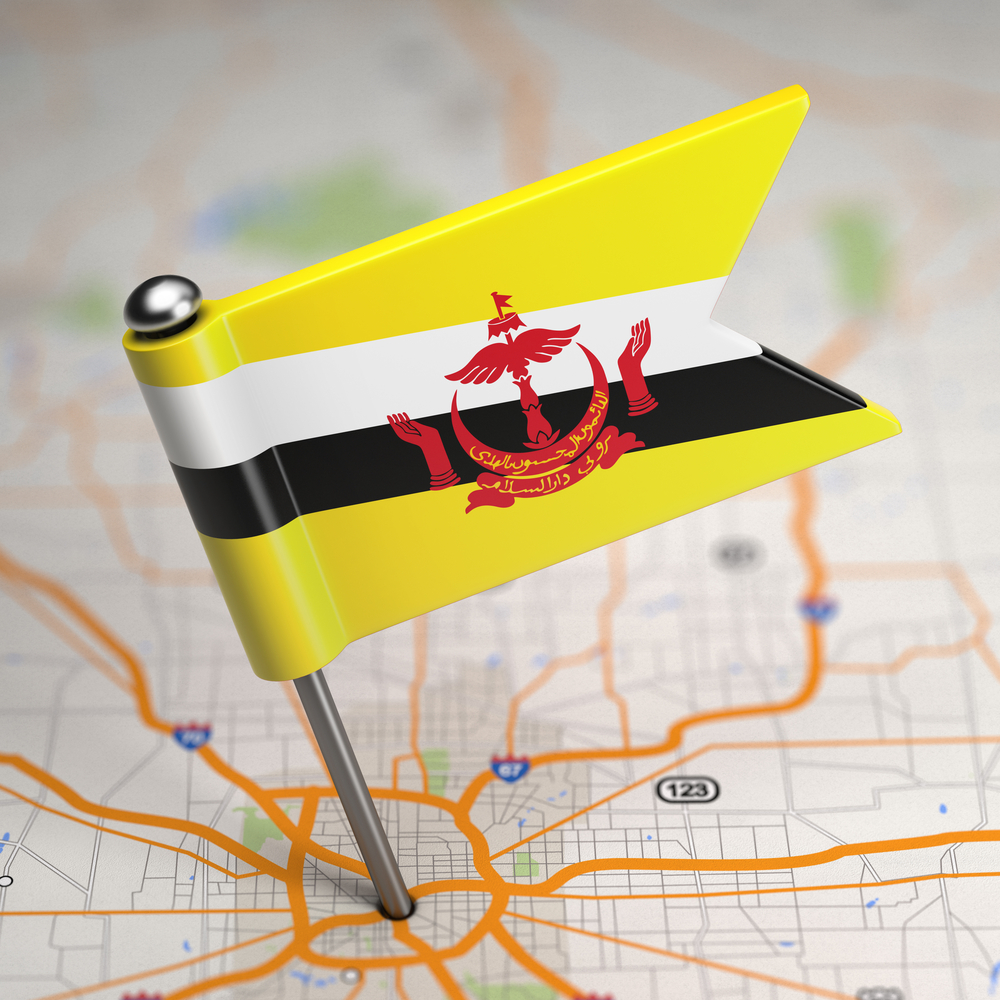
In a world reeling from the seemingly never-ending tide of social injustices, Brunei’s anti-LGBT laws emerge as a grotesque testament to archaic ideologies clashing with modernity. These laws do more than just criminalize love; they articulate a malignant misogyny that threatens to erase the vibrancy of diverse sexual identities. It’s time for us to act, to rally together and resist this draconian penal code which stipulates the horrific punishments of death by stoning for homosexual acts and flogging for women. The echoes of such oppression reverberate not just in Brunei but in every corner of the globe. As feminists, we must engage in a multifaceted protest—both on streets like those of Beverly Hills and through the digital realm—to expose and oppose these heinous laws.
Imagine a society where love is a crime. It sounds dystopian, yet Brunei has embraced this chilling reality. Fuelling this punitive excess is their adoption of Sharia law that categorizes sexual orientation and gender expression as offenses warranting severe punishment. This oppressive paradigm can no longer be tolerated. Feminists, often at the forefront of social justice, find themselves compelled to unite against Brunei’s abhorrent legislation. Our mission? Amplifying voices silenced by brutal regimes, igniting a flame of resistance that can be felt worldwide, and shaping a new narrative of inclusivity and equality.
So, how do we execute this mission? Through organized protests, awareness campaigns, and relentless vocalization of our dissent against the inhumane treatment of individuals regarded as ‘other.’ In Beverly Hills, a bastion of liberal ideologies, we possess the formidable power to manifest this resistance physically. Beyond that, a relentless online campaign can harness the vast capabilities of social media to spread awareness, galvanize support, and support those who are most affected by these laws.
Engaging with the Public: Why Beverly Hills?
The Soul of Activism Awaits
In Beverly Hills, a community that thrives on glamour and privilege, lies an opportunity to stir the hearts of those who may be unaware of the horrors occurring in Brunei. This affluent area is not just an enclave for the rich; it’s also home to an engaged populace that could act as our torchbearers. We need to seize this moment. By organizing protests in high-traffic areas and public spaces, we can strategically capture attention. Each silent passerby, each selfie, each tweet loaded with hashtags about our cause becomes a thread in a larger tapestry of awareness. Activism doesn’t thrive in silence; it flourishes when wrapped in the luminous elegance of visibility.
Imagine a vibrant protest comprised of diverse individuals, each holding signs emblazoned with messages of solidarity: “Love is Not a Crime,” or “Feminism Means Justice for All.” We must challenge the notion that these laws don’t concern us. They do. We live in a globally intertwined society where the reverberations of oppression echo across borders. The winds of oppression from Brunei can find their way into even the safest havens. Every voice matters, and every act of dissent can ripple through to those who feel the weight of these laws the most.
It’s essential to remember that protests are not merely about expressing outrage. They are about galvanizing change, about making ourselves seen and heard, igniting conversations around the dinner tables of Beverly Hills to the trending hashtags across social media platforms.
A Multifaceted Approach: Utilizing the Online Sphere
From Streets to Screens: Digital Activism
The digital realm serves as an indispensable ally in our feminist fight against Brunei’s brutal laws. Social media platforms burgeon with communities eager for change. Herein lies an opportunity: utilize these platforms to amplify the protest’s messages, share experiences, and engage a broader audience. An effective online campaign strikes a balance between emotive storytelling and compelling calls to action. The objective is not just to satisfy our outrage but to transform it into organized resistance.
Platforms like Twitter and Instagram can be used to connect individuals across the world, driving campaigns that expose the realities of being LGBT in Brunei. Hashtags can dynamically shape our cause—#FreeBrunei or #LoveIsNotACrime can become rallying cries, intertwining our stories with those of the oppressed. Digital petitions can further gather momentum; initiatives that demand action from governments or organizations can coalesce support and articulate a unified demand for justice.
Imagine a scenario where an individual in Brunei, feeling isolated and fearful, stumbles upon our online efforts. They witness a global coalition rallying on their behalf; this connection could seemingly alter their world perspective. It’s about creating a tapestry of unity and support that transcends borders and empowers those who are rendered voiceless. Our online activism must oscillate between education, advocacy, and mobilization, creating a mosaic of voices that collectively shout for justice.
The Intersection of Feminism and LGBTQ Rights: A Unified Front
Transformative Justice: More Than Just a Fight for Rights
Displaying banners of solidarity means holding not just for LGBTQ rights but intertwining this fight with the persistent struggles of feminism across the globe. Brunei’s laws, entrenched in patriarchal frameworks, reveal the interconnectedness of gender and sexual oppression. The fight against misogyny and homophobia isn’t just a reaction; it’s a continuous wave of resistance demanding systemic change. Feminism inherently encompasses a spectrum of identities; it’s vital to highlight that these laws extend beyond the LGBT community to reinforce a culture of violence against women.
What does it mean to protest in an era marked by fragmentation? It means acknowledging that feminist activism mandates embracing complexity. We must assert that to protect one identity is to protect all identities. Platforms need to be created where dialogues about the importance of inclusivity take precedence. We must amplify the voices of those who triangulate multiple identities—those who identify as both women and members of the LGBTQ community. This intersectional advocacy is key in our journey toward transformative justice.
Rethinking our approach and objective is imperative. Do we want to just offer platitudes of support? Or do we aspire to dismantle the structures that allow for such laws in the first place? It’s time to challenge the comfort of privilege and privilege the voices that have long been relegated to silence.
Conclusion: Entering the Realm of Change
Taking action against Brunei’s oppressive regime is not merely a manifesto of dissent but a clarion call for all who dare to dream of a world unshackled from prejudice. The time has arrived for feminists to rise, foregrounding our solidarity with our brothers and sisters in Brunei. Through protests in Beverly Hills to campaigns alive with digital fervor, we link arms to unveil the darkness hiding behind closed doors. We must compel our local communities to embrace the global struggle—because the fight for human rights knows no borders.
Let’s reforge the narrative; let’s reclaim justice for individuals subjected to heinous laws that seek to erase them entirely. As we march, we beckon the world to listen; as we tweet, we challenge complicity. Let our actions be the spark that ignites the flame of resistance, dismantling barriers that inhibit free love and expression. The revolution does not wait. It spirals onward, demanding that we take a resolute stand—today and always.