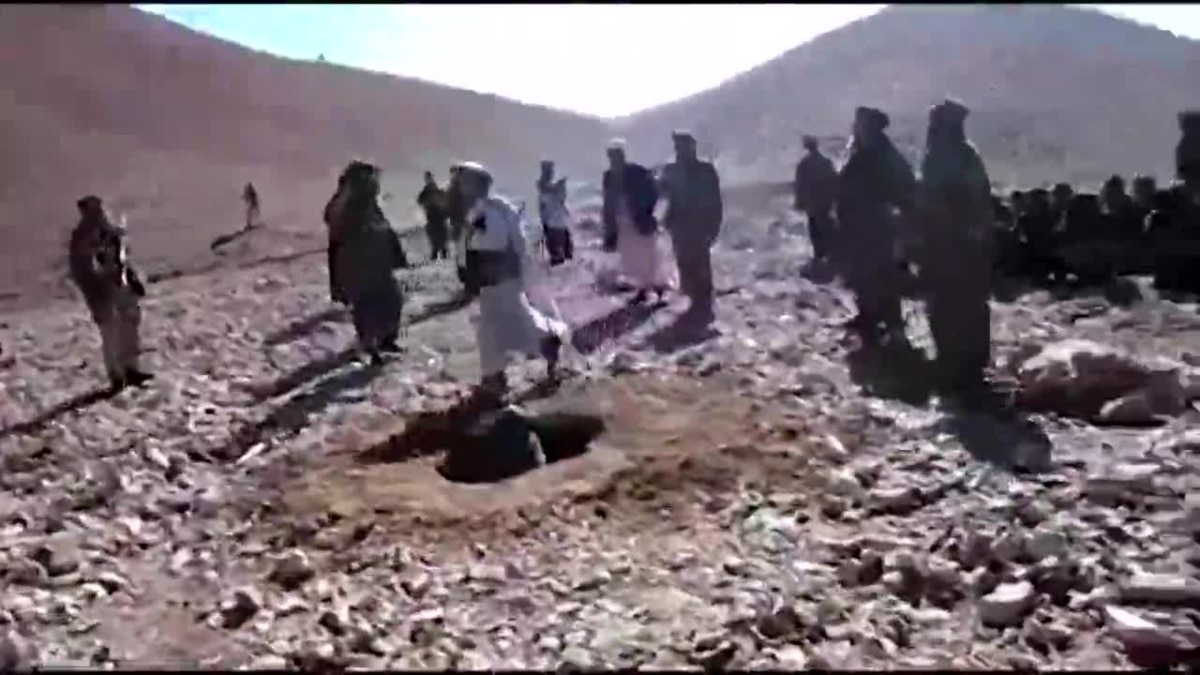
In the primordial milieu of Afghanistan, where the shadows of tyranny loom large, a haunting tale unfolded that sent shockwaves across the globe. A 19-year-old woman, a vessel of dreams and aspirations, became the latest victim in a grim saga of misogyny and violence perpetuated by an extremist regime. The Taliban’s execution of this young woman through stoning is not merely an isolated incident; it is the embodiment of systemic oppression against women. Through the lens of feminist activism, we must dissect this atrocity not only to grasp its implications but also to galvanize a global movement against such egregious violations of human rights.
The very act of stoning, steeped in antiquity and draped in patriarchal ideology, starkly depicts the convergence of misogyny and fanaticism. It is a brutal practice that transforms a woman’s body into an arena for male aggression and a theater for societal condemnation. This dark ritual serves to reinforce the societal narrative that women are lesser beings, commodities to be controlled, and ultimately, punished. The execution of this young woman underscores a global indifference to the plight of women under extremist regimes, a blatant reminder that the battle for gender equality is far from won.
Feminism, in its essence, is a fight against the totality of oppression. When we witness such barbarity, we are compelled to ask: what does it mean for the feminist movement? How do we mobilize our voices in the face of such raw, unadulterated violence? It’s imperative that we address these questions, for the stakes have never been higher.
The intersection of cultural beliefs and legal frameworks establishes a sinister playground for gender-based violence. In Afghanistan, cultural norms dictate that a woman must act in accordance with fixed societal roles — a subordinate to her male counterparts. When a woman strays from these prescribed paths, the consequences can be dire. The Taliban leverages this patriarchal cultural synthesis to justify their acts of violence, presenting them as ‘divine mandates’ rather than what they truly are: heinous crimes against humanity.
This barbarism is not merely an Afghan phenomenon; it reverberates across borders, echoing in cultures where conservative ideologies flourish. The level of atrocity depicted in the stoning of a young woman may seem far removed from the everyday experiences of women in the West, yet the underlying mechanisms of control and subjugation are alarmingly similar. The morality police of any society, whether explicit or implicit, perpetuate a narrative that positions women as the custodians of honor, their value intrinsically tied to their chastity and obedience. Such attitudes are insidious, leading to a culture where violence against women is normalized, depicted as an acceptable form of retribution and control.
Thus, examining the implications of this execution unfolds a greater discourse about patriarchal structures embedded in various societal fabrics. Feminism must bridge the chasm between the lived experiences of women worldwide, linking the struggles of Afghan women to those of individuals fighting against systemic misogyny in all its forms.
Empathy is our strongest ally in this battle. When we acknowledge the shared pain of women from disparate cultural backgrounds, we pave the way for a unified front. There can be no hierarchy in suffering. The ideologies manifest in stoning may take different forms in other countries, but they all converge on one fundamental principle: the subjugation of women through violence. The global feminist movement must thus refuse to be silenced, to accept a narrative that the plight of Afghan women is an ‘over there’ issue, separate from our own struggles. Instead, it is imperative that we confront the uncomfortable realities of how patriarchal violence is a shared global epidemic that requires a comprehensive, intersectional approach to address its root causes.
As we reflect on this horrendous event, we must ask ourselves what actionable steps can be taken to combat such atrocities? Awareness is the first step, but it cannot halt at merely sharing articles and footage of violence. Feminism must be proactive, harnessing the collective outrage evoked by the brutal stoning of a woman, transforming it into sustainable activism that demands change. Education is crucial — not just for women, but for society as a whole. Programs that aim to dismantle patriarchal norms by fostering respect for women’s autonomy must be commandeered. Furthermore, alliances with organizations working directly in affected regions can amplify voices that have been stifled by oppressive regimes.
It is our collective responsibility to lobby for international support for organizations and movements operating on the ground in Afghanistan and similar contexts. They strive to offer refuge, education, and advocacy for women plagued by the threat of violence. We must hold our own governments accountable, pushing them to enact foreign policies that prioritize human rights and condemn violence against women, wherever it occurs. It is crucial we leverage social media platforms, crucial in our digital age, to galvanize support and mobilize campaigns against such brutality, exposing the realities faced by women in surgical detail.
But we cannot ignore the role of male allies in this fight. It is paramount they stand in solidarity with women, actively denouncing misogyny in all its forms. It challenges the status quo, dismantling the very ideologies that perpetuate violence. Men must become advocates for change, holding each other accountable and challenging the narratives that have long justified such oppressive acts. This inclusiveness is vital—it enriches the movement and signifies that the quest for gender equality is not a women’s issue, but a human issue.
In conclusion, the execution of a 19-year-old woman by stoning is not an isolated incident. It encapsulates the pervasive and insidious nature of women’s oppression in societies governed by extremist ideologies. This atrocity serves as a grim reminder of the continuing struggle for women’s rights everywhere. It compels feminists across the globe to unite, to mourn, to rage, and most importantly, to act. As we bear witness to such heinous acts, let us not be consumed by despair but instead be catalyzed into fervent action. For in the wake of this tragedy lies a powerful call to arms against the structures of patriarchal violence that seek to silence us all. The struggle persists, and it is our collective duty to ensure that such violence is met with an unwavering cry for justice.