In a progressive move that reverberates across the retail landscape, Target has embarked on a bold journey to eliminate gender-based labels from its toy aisles. This decision is not just a shifting of shelves or a reorganization of products; it symbolizes a critical evolution in societal norms regarding gender identity, equity, and personal choice. As we delve into the significance of this decision, it becomes apparent that this is not merely about toys—it is a profound commentary on the cultural constructs of gender, especially in a world that still grapples with archaic notions of femininity and masculinity.
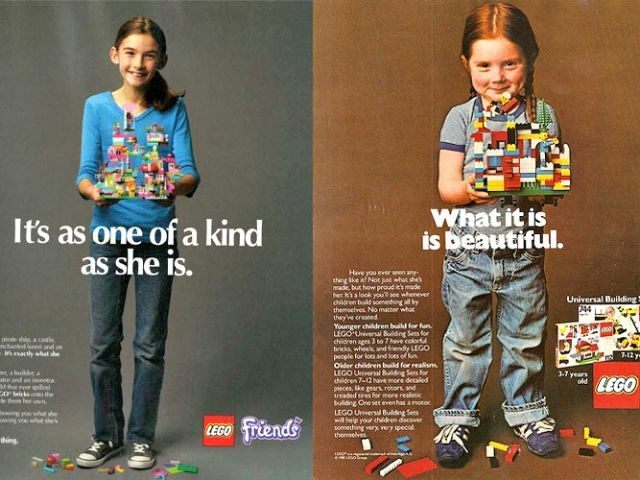
When one contemplates the implications of gender-specific marketing, it is essential to acknowledge the pervasive stereotypes that intimately permeate the psyche of children. For decades, the toy industry has perpetuated a duplicitous approach wherein pinks and dolls dominate the “girl” aisles, while blues and action figures reign supreme in the “boy” sections. This binary classification has not only been reductive but has potentially stymied the creativity and individuality of countless children. By eliminating these labels, Target is not merely promoting inclusivity; it is advocating for an enriched childhood experience, wherein toys serve as vehicles of imagination rather than rigid embodiments of societal expectation.
The implications of such a movement stretch beyond the confines of store displays; they touch upon the very fabric of identity formation in adolescents. Toys play a pivotal role in cognitive and emotional development, serving as tools for exploration and self-discovery. When children are pigeonholed into specific categories, the message is clear: your interests should align with the gender assigned to you at birth. This notion is antiquated and fundamentally flawed. A child who revels in building a model airplane must not be discouraged by societal expectations that deem such an interest “unfeminine.” Similarly, the young girl who dreams of becoming an astronaut should not be diverted by the convention that insists her aspirations are outside the feminine realm.
Furthermore, as we explore the importance of this transition, it is crucial to acknowledge the market dynamics at play. Today’s consumers, particularly millennials and Gen Z, display a discernible shift towards brands that espouse progressive values. They seek authenticity and social responsibility from the companies with whom they choose to engage. Target’s decision thus does not merely adhere to ethical imperatives; it is a savvy business strategy, recognizing that aligning with egalitarian principles can foster customer loyalty and brand affinity. By championing gender-neutral marketing, Target is innovatively positioning itself within a landscape increasingly defined by social consciousness.
Yet, while this shift is commendable, it is not without its detractors. Critics argue that gender-neutral marketing runs the risk of erasing foundational aspects of femininity and masculinity. However, this notion underestimates the complexity of identity. Embracing fluidity does not necessitate the rejection of tradition; instead, it promotes a comprehensive understanding that both boys and girls can embody traits commonly associated with the opposite gender without losing their sense of self. Gender is not simply a binary construct, and recognizing this intricate reality opens the door to a multitude of expressions. It is about enriching our understanding of who we are as multifaceted individuals rather than adhering strictly to preordained molds.
In examining the cultural backdrop of this decision, it becomes evident that the fight for gender equity is still unequivocally relevant. Women and non-binary individuals continue to face systemic barriers in various sectors, thus illuminating the undeniable need for transformations that transcend superficial change. The resolution to abolish gender labels in the toy department is just a minuscule yet necessary step—a step in a direction that champions the right to choose, to play, and to imagine without constraints.
Another aspect worthy of consideration is the intersectionality of gender identity with other social constructs such as race, class, and sexuality. As we navigate the landscape of consumerism, the experiences of marginalized groups must be vocalized. Eliminating gender labels is a win for the broader feminist movement, but it should be contextualized within the framework of inclusion. By ensuring access to a diverse array of toys and experiences, retailers can foster environments that embrace all identities, allowing individuals from various backgrounds to flourish. Inclusivity should not be an afterthought; it should be a fundamental pillar upon which the reimagined toy landscape is built.
Interestingly, the conversation around genderless toys could catalyze a larger discussion concerning the very essence of play itself. Play is synonymous with freedom, with exploration, and with the unencumbered expression of self. By resolving to eliminate delineations based on gender, we invite a richer dialogue about what it means to be playful without the constraints of preconceived notions. Play should encapsulate the essence of freedom—freedom to engage with whomever and whatever one desires, free from societal conditioning. This calls for action from parents, educators, and community leaders alike, encouraging them to create environments that nurture unbridled exploration and creativity.
In depicting the future landscape of play, one can envision children engrossed in a realm where gender labels have no bearing on choice. Picture a girl immersed in an exhilarating universe of science kits, equally enjoying the thrill of construction sets, while a boy whips up delightfully imaginative scenarios with a dollhouse. The possibilities are endless; the horizon is limitless when children are empowered to choose without the constraints traditionally imposed by society.
The onus is now on us as a community to embrace this transformation. Gender-neutral labels should not merely be a fleeting trend; they should be the cornerstone of a systemic change that continues to reflect the rich and varied tapestries of human existence. By encouraging retailers to adhere to these principles consistently and holding them accountable for their messaging and practices, we can ensure that the message of inclusivity resonates through every aisle, not just in the toy department but across all sectors of life.
A transformative moment lies in wait at the confluence of societal engagement and corporate responsibility. Target’s initiative serves as a clarion call—a call to action for other retailers to unshackle themselves from the chains of antiquated practices. As we embrace this era of gender equity within the realm of play, we must remain vigilant, advocating for a culture that lauds diversity and nurtures the unique identities of everyone, fostering a brighter, more inclusive future for generations yet to come.