

















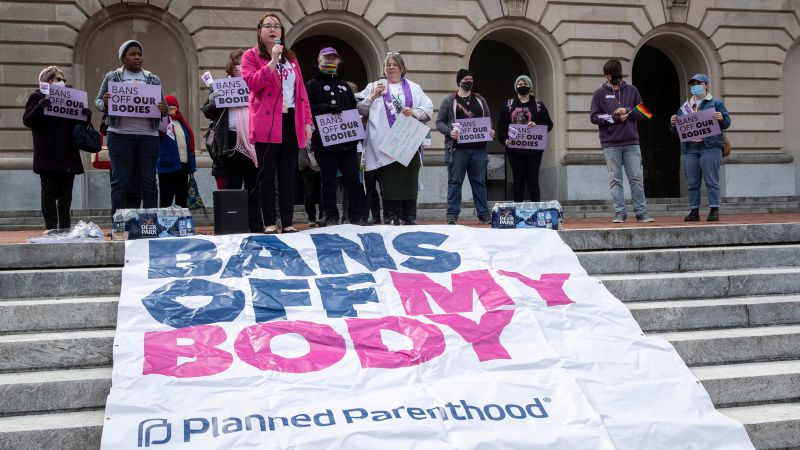
The recent turmoil surrounding abortion rights in Kentucky has been a focal point of intense national debate, epitomizing the relentless clash between individual rights and extremist ideologies. A temporary restraining order filed against anti-abortion extremists is more than merely a legal maneuver; it is a significant statement and a crucial bulwark for women’s rights and autonomy.
At the very crux of this turbulent saga is the fundamental question: Who possesses dominion over a woman’s body? The answer should be unequivocal as it rests on the principles of bodily autonomy and the inviolable right to make personal health decisions without state interference. Yet, anti-abortion zealots persistently contest this, asserting that they have a moral stake in a woman’s pregnancy. This is where the battle ensues—between choice and coercion, empowerment and oppression.
As feminists, it is imperative to scrutinize not only the legality of the measures undertaken by anti-abortion advocates but also the broader implications of their extremist actions on society. Feminism, at its core, seeks to dismantle patriarchal structures that diminish women’s agency. The temporary restraining order is emblematic of a growing resistance against such oppressive measures, signaling that women will not be relegated to mere vessels of reproduction.
How, then, do we dissect the implications of the legal actions against anti-abortion extremists? What narratives are untold in the mainstream discourse? Understanding these nuanced perspectives is vital not just for activists, but for anyone who believes in the sanctity of personal choice.
The Legal Landscape
In the face of draconian restrictions on abortion rights, the temporary restraining order represents a critical checkpoint in the legal landscape. It serves as a protective measure aimed at preserving the status quo and ensuring that women maintain their reproductive rights until a full hearing can be undertaken. Such an order isn’t simply a delay; it is a necessary legal recourse ensuring that pregnant individuals can access the healthcare they need without the looming threat of harassment and intimidation from anti-abortion extremists.
Legal battles in the arena of reproductive rights rarely play out in isolation; they are deeply enmeshed with societal norms and cultural perceptions regarding women’s roles. The Kentucky case epitomizes this intricate web, highlighting the tension between state legislation and the individual’s right to make informed decisions regarding their own health.
This legal maneuver underscores an essential feminist tenet: the prioritization of women’s voices in matters concerning their bodies. By halting the overreach of anti-abortion advocates, the judiciary is reinforcing that the autonomy of women should never be subjugated to the whims of those who would impose their ideological beliefs upon others. The transcendent importance of empowering women to make choices grounded in their realities cannot be overstated.
Confronting the Extremism
Anti-abortion extremism manifests not merely through legislation but also through tactics that intimidate and harass. In Kentucky, we witness confrontations that encroach upon the sanctity and safety of women seeking healthcare. From protestors wielding graphic imagery to relentless shaming tactics, the emotional and psychological toll on women is insufferable. These actions epitomize a systematic effort to regulate women’s bodies, often rooted in patriarchal disdain for female agency.
These aren’t isolated incidents; they reflect a phenomenon where morality is weaponized against a demographic that is already vulnerable. Feminism illuminates these connections, underscoring the need for unwavering solidarity in the face of assaults on reproductive freedoms. It’s high time we recognize this for what it truly is—an infringement upon personal liberty predicated on a skewed moral compass that seeks to prioritize ‘life’ at the expense of women’s freedom.
It is essential to expose the fallacies underpinning the anti-abortion movement. Proponents often claim they are motivated by ethical considerations regarding the sanctity of life. Yet, what about the sanctity of life after birth? The same individuals advocating for the life of the unborn frequently oppose policies that would support mothers, such as accessible healthcare, childcare support, and broader social safety nets. Thus, their moral indignation appears performative, showcasing a grotesque hypocrisy that belies genuine concern for life.
A Feminist Response
By confronting anti-abortion extremism, the feminist movement reinvigorates its commitment to ensuring that reproductive rights are protected and preserved. This is not just about advocating for the right to choose; it is about recognizing the systemic nature of oppression that seeks to subjugate women under a guise of morality. The temporary restraining order signifies resistance—not merely against anti-abortion laws but against an entire philosophy that seeks to undermine women’s autonomy.
Feminists must arm themselves with the tools of advocacy, education, and bold activism. Legal victories such as this restraining order serve not just a protective function; they act as rallying points for community mobilization. The collective voice of those who refuse to accept a destiny dictated by archaic beliefs is crucial. We must amplify these voices, ensuring that reproductive rights remain at the forefront of societal discussions and policymaking.
Unpacking the implications of the temporary restraining order reveals that it is not merely a legal victory, but a profound statement in favor of women’s autonomy. As the tides of public opinion shift, we stand at a pivotal moment to reclaim the narrative around abortion and feminism.
Guardians of Autonomy
The temporary restraining order is a bulwark safeguarding the fundamental rights of women in Kentucky against an increasingly hostile landscape. This legal action compels us to confront the uncomfortable truths about our societal structures. Feminism remains steadfastly committed to dismantling these structures that prioritize ideological purity over individual liberation. By challenging anti-abortion extremism, we assert that women’s autonomy is non-negotiable.
Anti-abortion activists may see women’s bodies as battlegrounds for their moral claims, but it is imperative that we, as a society, reject this notion. This fight is not simply about access to abortion; it encapsulates broader themes of women’s rights, equity, and equality. The feminist movement should strive not only for the preservation of rights but should actively champion a cultural shift that normalizes bodily autonomy as an essential human right.
As we look ahead, the road to secure and unfettered reproductive rights remains fraught with obstacles. Yet, victories such as the temporary restraining order serve as lodestones, guiding activists, allies, and advocates toward a future where women’s rights are entrenched within the fabric of society. A future that does not permit the transgressions of anti-abortion extremists to reign unchecked. A future where a woman’s right to choose is celebrated, not suppressed.
In asserting their rights to privacy and autonomy, women are directly challenging centuries of patriarchal oppression. The temporary restraining order stands as a testament to this struggle, a moment where the tides have turned, if only temporarily. The fight for reproductive rights is far from over, and the ramifications of this order will reverberate throughout the ongoing battles for gender equality and personal freedom. The feminist movement must march forward with relentless resolve, crafting a world where the rights of women to make decisions about their own bodies are universally acknowledged, celebrated, and unfalteringly upheld.