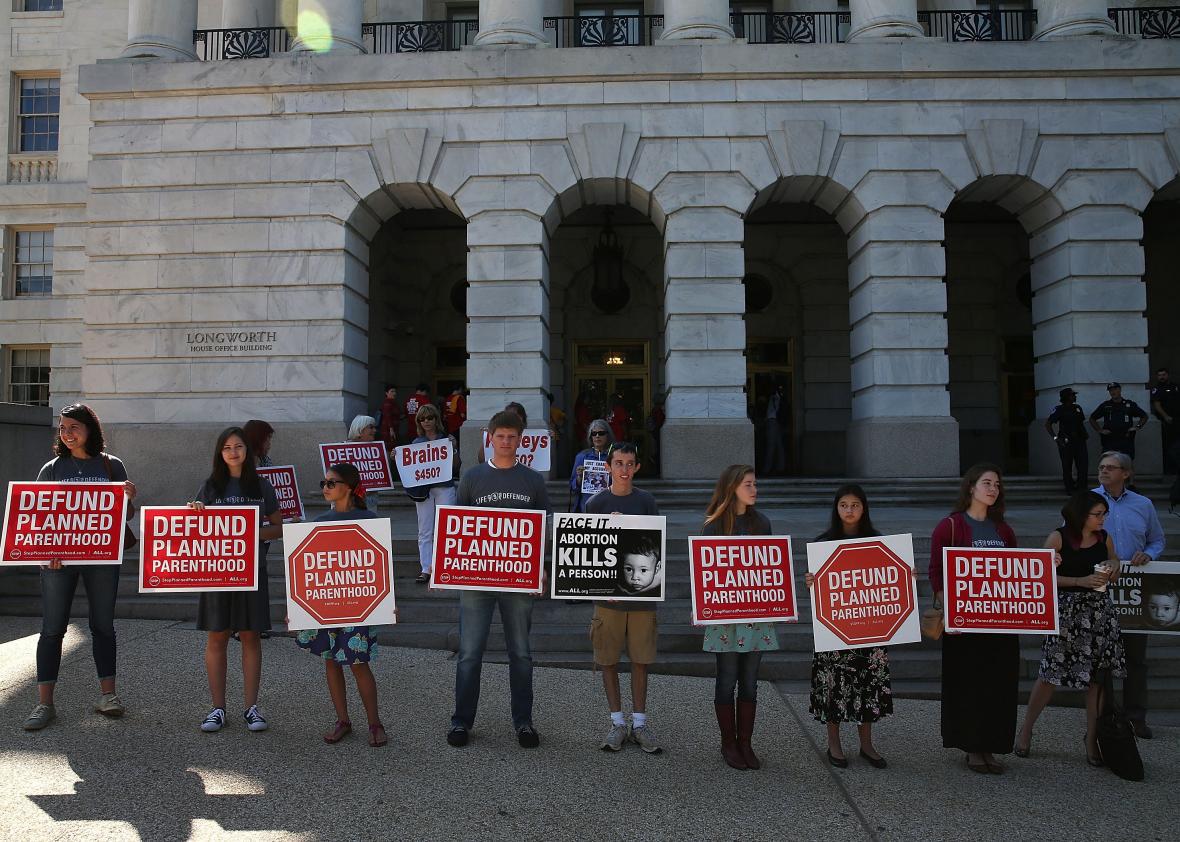
The recent raids on Planned Parenthood clinics across Texas by state investigators have ignited a maelstrom of debate and dissension within the feminist community. This action is emblematic of a broader assault on women’s rights, reproductive autonomy, and public health. The implications of these raids extend far beyond the immediate disruption to healthcare services; they also foster an environment of fear, uncertainty, and regression for those who rely on these facilities for essential health services. In this discourse, it is imperative to explore the far-reaching consequences of these state-sponsored actions, questioning the motives behind them and examining their impact through a feminist lens.
To understand the gravity of the situation, one must first contextualize the role of Planned Parenthood in Texas. The organization has long been a bastion for reproductive healthcare, providing not just abortions, but also a vast array of services ranging from cancer screenings to contraception. Its existence challenges the patriarchal narrative that seeks to control women’s bodies and lives. By raiding its clinics, merely on the basis of alleged violations of vague regulations, Texas officials—emboldened by a conservative agenda—signal a war on women’s autonomy and a chilling disregard for public health.
The raids serve as a harbinger of systemic sexism, manipulation, and societal conditioning aimed at dismantling the reproductive rights that have been hard-won through decades of activism. Feminists have historically fought for the right to make choices regarding their own bodies, yet such fundamental rights are now being threatened. This poses a critical question: Is this a battle for regulation or a resurgence of patriarchal control masquerading as governance?
In scrutinizing the actions of Texas officials, it becomes apparent that their tactics are deeply intertwined with a broader ideological agenda. The aggressive approach to policing women’s health services predominantly affects low-income communities and marginalized populations, groups that already face systemic barriers to accessing quality healthcare. By disrupting services at Planned Parenthood, officials are not only inflicting harm on individuals but are also perpetuating a cycle of inequality, wherein the most vulnerable are left to navigate bureaucratic labyrinths with limited options for care. The intersectionality of healthcare accessibility with feminist concerns cannot be ignored—these raids disproportionately affect women of color, low-income women, and those living in rural areas.
Moreover, the ramifications of these raids extend into the realm of public perception about women’s roles and rights. The aggressive stance taken by Texas officials serves to reinforce antiquated notions of women’s health as a subject of governmental oversight rather than individual choice. By framing the issue within a context of ‘regulation’, officials divert attention from the crux of the matter—it is fundamentally about control. Control over bodies, autonomy, and, ultimately, the narrative that women are capable of making informed choices regarding their own lives. This narrative of subjugation needs to be fiercely challenged, not only through protest but through a re-examination of the societal values that permit such an erosion of rights.
Equally troubling is the potential undermining of public health that ensues from these raids. The closure of clinics can lead to increased rates of unintended pregnancies and sexually transmitted infections (STIs), as women are left without access to reproductive health services. This serves not only as a short-sighted governmental action but also as an affront to the very foundation of feminism, which champions informed choice and the right to safe, affordable healthcare. Feminists must advocate for not only the preservation of their rights but also for a holistic understanding of health that includes preventative care, education, and access to necessary medical services.
In the face of adversity, the feminist movement must mobilize, harnessing the power of collective resistance to challenge these governmental moves that aim to dismantle women’s rights. History has shown that patriarchal institutions may have the upper hand momentarily, but sustained activism can effect change. The public outcry against these raids must transcend the boundaries of Texas, as the implications affect all women, regardless of geography. Each raid represents a precedent that could soon arise elsewhere, further eroding the freedoms that generations have fought for.
Moreover, it is essential for allies to recognize their role in supporting and amplifying women’s voices during these tumultuous times. Solidarity movements, where men and women unite to support autonomy and health rights, can create a formidable front against the retrenchment of rights. Public demonstrations, educational initiatives, and community health programs can serve as platforms for reinstating access to necessary healthcare services while simultaneously asserting the notion that women’s rights are not negotiable. This solidarity of purpose exemplifies a commitment to not just women’s health, but to the health of society as a whole.
Ultimately, Texas officials’ decision to raid Planned Parenthood is not merely an isolated incident. It reflects a deeper societal malaise that seeks to devalue and erase women’s rights under the guise of regulation. Feminists must be resolute in rejecting this narrative, amplifying the truths about women’s rights, the importance of reproductive health access, and the imperative of acknowledging intersectional identities in the fight for equality. The dialogue around women’s rights is inexorably linked to the holistic understanding of healthcare; recognizing this interconnectedness is crucial in the ongoing battle for autonomy, respect, and justice.
As we navigate this challenging landscape, we must recognize the significance of resilience and resistance. The feminists of today and tomorrow will continue to challenge regressive norms and policies that seek to undermine bodily autonomy. The fight against these raids must serve not just as a defense of Planned Parenthood but as a broader declaration that women’s health, reproductive rights, and personal agency remain non-negotiable. In reclaiming the narrative, in fostering fearless dialogue, and fostering a sense of community, there lies the potential for transformative change. Only together can we build a future where all women have the freedom to choose their paths, free from the shackles of systemic oppression and patriarchal control.