In the complex tapestry of modern healthcare, the pernicious issue of gender disparities persists as a glaring blight. Gender gaps in health research not only undermine the quest for equitable care but also devolve into a significant social justice issue. As feminists, it becomes imperative to grapple with this unsettling reality and advocate for change not just for the betterment of women but for society as a whole. The absence of a nuanced perspective on gender in health research is the missing link that perpetuates these inequities. By delving into the intricacies of this issue, we can shed light on the multifaceted layers that define health research and its profound implications on women’s health.
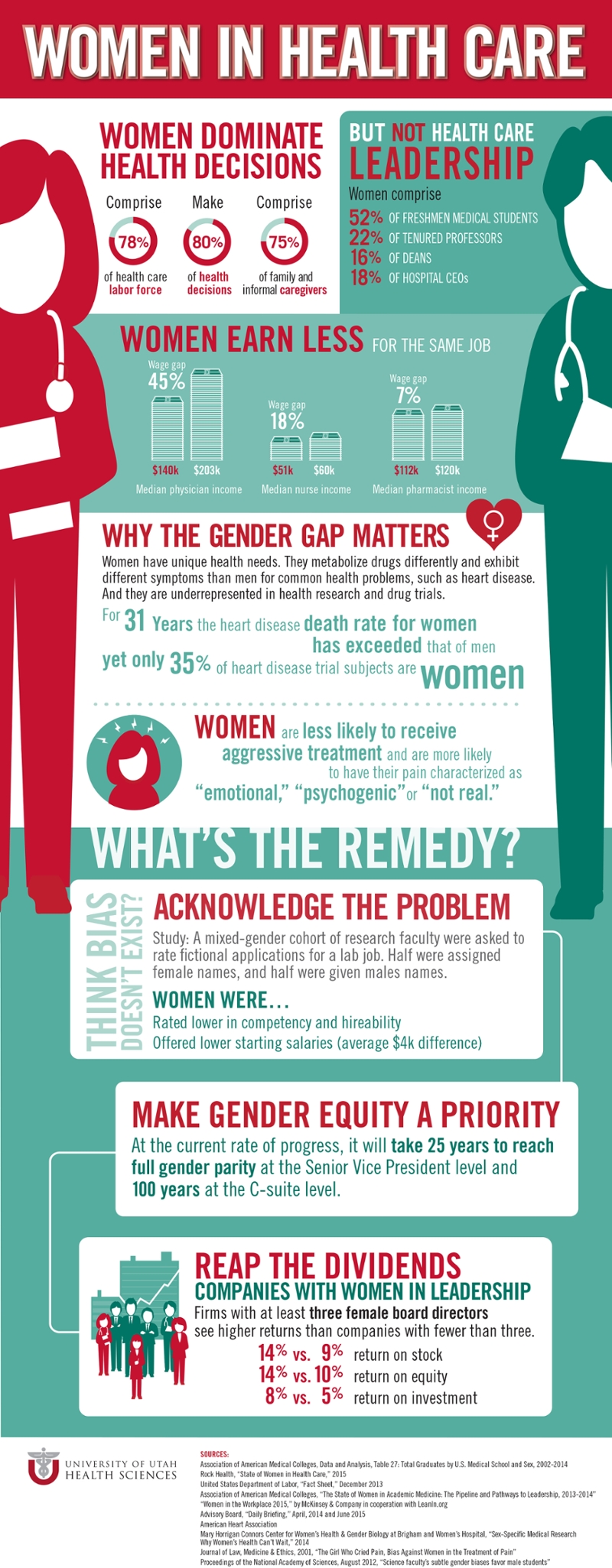
A critical examination of health research reveals that traditional methodologies often overlook women’s unique physiological and sociocultural experiences. Historically, clinical trials have predominantly included male subjects, resulting in an informational void where women’s health is concerned. This oversight is not merely an academic concern; it has real-world ramifications, contributing to suboptimal health outcomes for women and actualizing a grim irony: healthcare developed ostensibly for all ends up serving only half the population effectively.
To further illuminate this issue, let’s dissect how the gender gap manifests in myriad facets of health research, influencing everything from funding opportunities to the development of treatment protocols.
Unpacking the Historical Context: A Lamentable Legacy
Understanding the historical context of gender disparities in health research is essential for appreciating the current landscape. For centuries, medical research operated under a patriarchal lens that deemed males as the default human standard. This problematic tendency dates back to ancient times, reinforcing gendered perceptions of health that have become entrenched. The exclusion of women from both clinical trials and formal health studies is often justified under the guise of ensuring safety and reliability. However, this rationale raises eyebrows and elicits righteous indignation among feminists who recognize this as a thinly veiled excuse for systematic exclusion.
Moreover, the few studies that do include female subjects tend to be plagued by biases that fail to account for variables such as hormonal changes, reproductive health, and socio-economic factors. The relegation of women’s health concerns to the periphery results in an arena where female-specific illnesses, such as endometriosis and polycystic ovary syndrome, remain vastly underfunded and understudied. This historical oversight fosters a dangerous cycle where dated ideas about gender bias continue to impede progress in contemporary health research.
Funding Disparities: The Gatekeepers of Health Advancement
Funding is a significant fulcrum upon which the entire health research mechanism pivots. The allocation of research funds is often skewed towards fields that yield higher visibility, resulting in a systemic neglect of women’s health initiatives. The disparity does not end with merely financial inequities; it also perpetuates the cycle of ignorance related to diseases that predominantly affect women. As a feminist, one must interrogate why ailments like Alzheimer’s disease, which disproportionately affects women, lack the same level of research funding as conditions like cardiovascular disease, which was once thought to primarily affect men.
The gatekeepers of health funding, primarily governmental and private institutions, are tacitly endorsing a gender bias that not only skews research agendas but also enables the perpetuation of harmful stereotypes. The implications extend beyond mere statistics; they influence clinical practices and policy decisions that can either ameliorate or exacerbate health inequalities among women. It becomes crucial for advocates to demand transparency and equitable funding as a fundamental principle tethered to gender equity in health research.
Voices of the Unheard: Women in the Research Space
The voice of women in research must also be amplified to bridge the gender gap in health studies. Diversity among researchers can lead to a richer understanding of health issues as it brings in various perspectives shaped by distinct life experiences. Yet, the research field remains numerically and qualitatively deficient when it comes to female representation, particularly in leadership roles. Women scientists often find themselves at the intersection of multiple disadvantages, facing not only gender bias but also issues of race, class, and other intersecting identities.
This lack of representation inhibits the creation of research paradigms that truly reflect women’s needs and experiences. Moreover, it stifles innovation and fails to harness the full intellectual arsenal of a diverse research community. A concerted push towards inclusivity in all aspects of research—whether in hiring practices or funding criteria—is required to rectify this gender imbalance. Advocating for women as principal investigators, participants, and decision-makers can catalyze a transformative shift towards gender-sensitive healthcare solutions.
Intersectionality in Health Research: Beyond Binary Categories
To merely acknowledge the gender gap without considering intersectional disparities would be a disservice to the feminist cause. The experiences of women in health research are far from monolithic; they are deeply influenced by race, ethnicity, socio-economic status, disability, and geographic location. Intersectionality should not merely serve as an academic concept but a pivotal lens through which health research is conducted and analyzed.
For example, women of color often face unique health challenges exacerbated by systemic racism and socio-economic inequalities. Yet, they are frequently left out of conversations surrounding health disparities, leading to policies that overlook their unique needs. It’s time to challenge the alleged universality of women’s health and advocate for a nuanced understanding that addresses the multiplicity of women’s lived experiences. The feminist movement must strive tirelessly for an agenda that incorporates intersectional nuances, striving for healthcare that is genuinely reflective of all women.
The Role of Feminists in Policy Advocacy
To effect meaningful change, feminists must take the reins in advocating for health policies that prioritize research inclusion and equitable funding mechanisms. Lobbying for legislation that mandates the inclusion of women in clinical studies, as well as advocating for equitable distribution of funds across gender-specific health issues, must become an essential part of social justice activism.
Moreover, public awareness campaigns can shine a spotlight on the failure to adequately address women’s health issues. It’s not enough to have scholarly discussions; there must be real, grassroots movements that push for tangible reforms in health research practices and funding distributions.
Education as a Catalyst for Change: Empowering Next Generation
The call to action is not just for those currently entrenched in the health research field, but also for the next generation of researchers and clinicians. Education plays a critical role in dismantling entrenched biases – targeting medical schools to integrate gender-sensitive curricula that challenge students to consider the implications of gender in healthcare.
By fostering an environment of critical inquiry and social responsibility among upcoming medical professionals, we can cultivate a generation that prioritizes equality in health research. This shift is not merely noble; it is imperative. The lack of attention to gender in health research is a clarion call for action, and it is incumbent upon feminists to lead the charge.
Conclusion: Towards a Gender-Equitable Health Future
The journey towards bridging the gender gap in health research is fraught with challenges, yet it is essential for the advancement of health equity. The disproportionate impact of health disparities on women’s lives is not just a statistic; it is a lived reality that deserves urgent attention and intervention. Feminism must not adopt a passive stance; it must take a vigorous, activist approach to confront these disparities head-on. Only by embracing intersectionality, advocating for equitable funding, amplifying women’s voices in research, and shaping educational paradigms can we hope to forge a future where health research genuinely serves all of humanity. Failure to address these disparities is not an option; the stakes are far too high, and the time for change is now.