In a moment fraught with the tempestuous echoes of history, the Title IX Commission prepares to put the finishing touches on recommendations that could very well redefine the landscape of women’s rights in education and athletics. As we stand on the cusp of this transformation, burgeoning feminist organizations are rallying en masse, underscoring a collective desire not merely to commemorate fifty years of Title IX but to assert a radically reformed vision for the future. This movement signifies not just a celebration, but a resounding call to arms for equality, power, and justice.
The essence of Title IX, a historic legislative act prohibiting discrimination based on sex in educational programs, has often been misinterpreted, underappreciated, and inadequately executed. As the Commission approaches the finalization of its recommendations, the expectations among activists and advocates are palpable; hope intertwines with skepticism, conjuring a potent cocktail of emotions. This isn’t merely about retaining rights; it’s about expanding them in ways that these founding principles resonate through contemporary society.
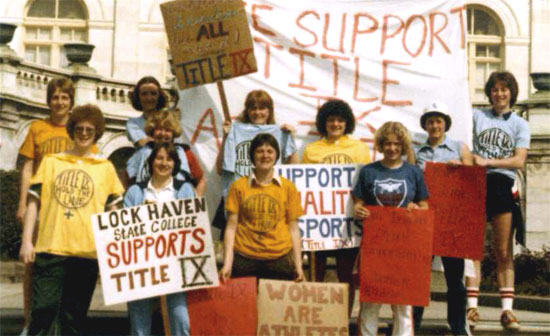
Women’s groups, invigorated by a renewed sense of purpose, are not just planning rallies; they are mobilizing a movement. This is about demanding that the Commission’s recommendations comprehensively address the systemic inequities that have long hampered women in educational settings. A rally isn’t just a symbolic gesture; it is a manifestation of collective will. It is a thunderous reminder that the struggle for gender equality is far from over.
As the commission delineates its recommendations, we must interrogate the longevity of these promises and the potentialities they yield. Will these guidelines merely reinforce the status quo, or will they catalyze palpable change? The actions we take today will reverberate through the corridors of education for generations to come.
Feminists are demanding a framework that transcends the surface-level interpretations of Title IX. They are seeking a nuanced understanding of what equity truly means in educational institutions. As we dive into this discourse, we must address several pivotal elements that underscore the intent and implications of Title IX. Through this examination, we can discern a path forward that promises genuine transformation.
The Heritage of Title IX: A Mixed Legacy
When Title IX was first legislated in 1972, it heralded a monumental shift intended to dismantle the systemic barriers that had kept women and girls marginalized within academic and athletic spheres. The promise was simple yet revolutionary: equality. However, the legacy of Title IX is not without its complexities. For many institutions, compliance with Title IX has become a box to tick rather than a commitment to genuine equity.
The reluctance to fully realize the transformative potential of Title IX often lies in the treacherous terrain of cultural inertia and institutional resistance. While significant advancements have been made—most notably in the realms of women’s sports—the undercurrents of discrimination persist. Sexual harassment, inadequate resources, and limited opportunities to ascend to leadership positions in educational and athletic programs plague our institutions. Feminist groups assert that these challenges must not only be acknowledged but actively rectified through the forthcoming recommendations.
The rallying cry among women’s organizations will center around compelling stories—voices lifted to recount personal experiences that illustrate the shortcomings of existing regulations and the dire need for substantive change. Each narrative is a testament to resilience, illuminating the harsh realities countless women face due to lingering disparities. Their experiences are not just anecdotes; they crystallize the need for an aggressive re-evaluation of what equity truly entails in the framework of Title IX.
Gender Equity in Education: A Non-Negotiable
For far too long, the discourse surrounding Title IX has been cloaked in ambiguity, tacitly allowing for inequities to proliferate. The upcoming recommendations must unequivocally outline not only compliance mechanisms but also transformational policies that proactively promote gender equity in all spheres of education. Decades after the enactment of Title IX, we cannot afford to fall short of systemic change.
Feminist activists contend that any meaningful overhaul must prioritize prevention strategies to combat sexual violence on campus, robust measures for reporting discrimination, and the establishment of transparent accountability structures. The onus cannot be placed solely on the victims. Educational institutions must be held responsible for fostering a climate of safety and support.
Moreover, how can we genuinely discuss equity without considering intersectionality? The voices of women of color, LGBTQ+ individuals, and other marginalized groups must not only be included but should lead the charge in shaping how we interpret and enact Title IX. These voices bring invaluable insights into the challenges that exist within educational and athletic spaces, often compounded by racism, homophobia, and classism. The recommendations must specifically address these intersecting forms of discrimination, thereby promoting a truly inclusive framework.
Mobilization and Activism: The Power of Solidarity
As the date for the rally inches closer, grassroots organizations are fusing their efforts, creating a tapestry of solidarity that transcends boundaries. This moment offers a unique platform for diverse feminist voices to converge and amplify their demands. The momentum generated can ignite conversations and disrupt complacency on college campuses and beyond. What was once a whisper in the corridors of power can now transform into a cacophony of resistance, demanding accountability and innovation.
Rallies are emblematic of a larger movement—one of constant vigilance. They symbolize a refusal to accept half-measures and to settle for anything less than comprehensive reform that recognizes the challenges and aspirations of modern women. There is an urgency for women to gather, to unite, and to make their collective demands known. This grassroots activism can compel decision-makers to relinquish outdated notions of compliance and embrace a radical reimagining of gender equity.
The promise of the Title IX Commission’s recommendations is not a mere formality; it is a potential watershed moment. Women’s organizations are holding space for this dialogue, reminding us all of our role in the struggle for equality. The rally serves as both a celebration of progress and a clarion call for continued vigilance. The question remains: Will we choose to act or allow complacency to reign? In a world rife with inequity, the answer must be a resounding commitment to action—both now and in the future.
In closing, the Title IX Commission’s forthcoming recommendations embody a dual opportunity: to embrace the legacy of radical change established by Title IX and to redefine the contours of gender equity in education. The work of women’s groups in mobilizing and rallying highlights that we are not simply passive consumers of policy change; rather, we are the architects of a future grounded in justice, equality, and empowerment for all. The time for change is now.