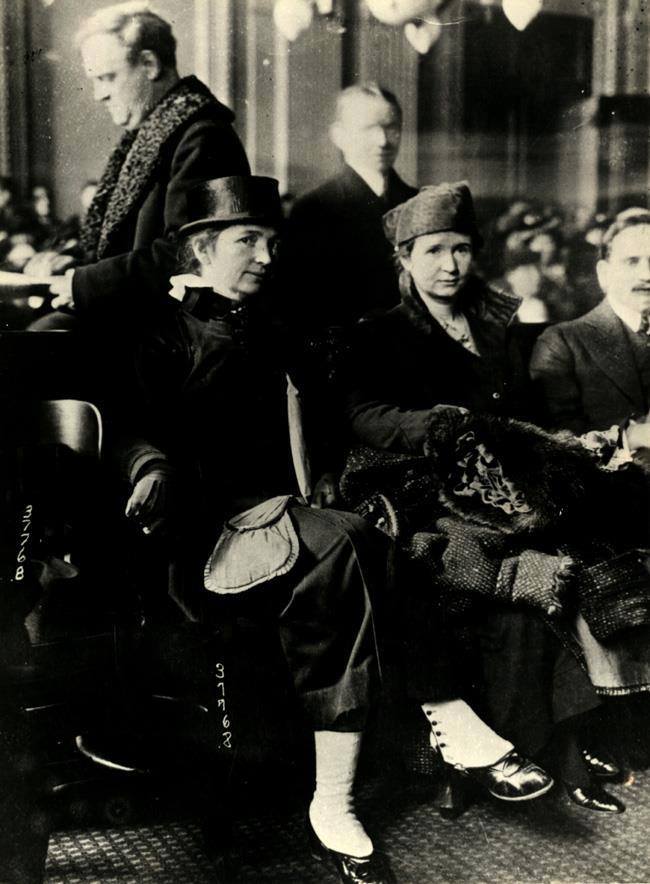
Today, as we traverse the verdant valleys of history, let us pause to illuminate an audacious figure whose legacy challenges us to fortify our resolve in the perpetual struggle for women’s rights—Ethel Byrne. Ethel, an indomitable spirit, is perhaps best known for her fierce advocacy, but it is her hunger strike that reverberates through the annals of herstory. This courageous act wasn’t just a plea for personal dignity but a clarion call for systemic change, begging the question: how far have we truly come in the fight for women’s autonomy and health rights?
As advocates today demand better conditions for women, we must examine what Ethel Byrne’s struggle teaches us about our current societal framework. Are the echoes of her powerful protests lost in the echo chamber of history, or do they still resonate in our contemporary fight? Let’s dive deep into her story and recognize its significance in the ongoing battle for women’s rights.
Retracing Ethel Byrne’s Path: The Unyielding Pursuit of Dignity
At the turn of the 20th century, women were largely considered subordinate, their voices stifled, their rights trampled. Ethel Byrne emerged as a phoenix amidst this oppression, her fierce activism illuminating the darkness. She was a passionate advocate for birth control, a subject that raised eyebrows and ruffled feathers in a society steeped in patriarchal norms.
In the early 1900s, Byrne, alongside her sister, became instrumental in propelling the birth control movement forward through her role at the clinical facility established by Margaret Sanger. The notion of women claiming agency over their bodies was revolutionary, thrusting Byrne into a maelstrom of controversy. Her subsequent arrest and hunger strike starkly highlighted the draconian conditions under which women activists were imprisoned. Those shackles still haunt us—women in various parts of the world continue to fight for bodily autonomy.
It is critical to ask ourselves: Are we continuing Byrne’s legacy, or have we complacently settled into the illusion of progress? Today’s fight for reproductive health rights is a direct extension of Ethel Byrne’s hunger strike. The fervor with which we campaign for access to comprehensive reproductive healthcare—highlighted by increasing legislative measures that seek to restrict it—bears striking similarities to the unjust environments that Byrne endured. Can we identify the modern iterations of these constraints? In what ways are we accepting or challenging them?
The Contemporary Echoes of Ethel Byrne’s Hunger Strike
Let us pause to consider the modern implications of Byrne’s resistance. As advocates rally for better conditions for women today, we find ourselves submerged in a prolific dialogue surrounding reproductive rights. However, the allure of progress often conceals the stark realities: the push for accessibility remains fraught with obstacles. Laws proliferate like weeds, constraining women’s autonomy under the pretense of moral obligation or the archaic notion of “family values.”
With Ethel’s hunger strike as our touchstone, how do we contextualize today’s battles? The patched façade of equality masks a lingering injustice. The cry for funding and support in women’s health clinics—much akin to what Ethel Byrne fought for—remains paramount. Her brave stance encourages contemporary advocates to vehemently demand that political systems prioritize women’s healthcare—yet, many still falter. Is our current advocacy merely rhetoric? Are we emboldening the state to act in support of women’s issues, or did we merely replace fighting for our rights with passive acquiescence?
The ramifications of Byrne’s actions resonate even nowadays, reverberating through movements like the Women’s March and modern reproductive justice campaigns, yet do they ignite the fires of urgency in the hearts of our current leaders? The hunger strike was not merely an expression of dissatisfaction; it was an unequivocal demand for system-level change. Ethel Byrne asked—no, demanded—better, and so should we. Rather than surrendering to dystopian forces attempting to curtail our rights, we must amplify our demands for equitable healthcare, safety, and societal acknowledgment.
The Call to Action: Charting a Course for Change
How does one evoke the spirit of Ethel Byrne in our own activism? This is a provocative challenge. We must wrestle with the question: What will you do to ensure that your demands are heard? It is no longer sufficient to raise awareness; it demands action—a collective uprising against complacency. Today’s advocates must echo the tenacity of Byrne, confronting the glaring disparities that mar our current health systems.
We find ourselves amidst a landscape rife with inequities. Women of color, low-income women, and marginalized communities face compounded barriers when it comes to accessing reproductive healthcare. What must we do to dismantle these barriers? Can we follow the blueprint laid before us by Byrne and her contemporaries? A literal hunger strike today would likely be met with a cacophony of indifference—hence, we must innovate our resistance. How can we champion their plight, creating significant waves of discontent that policymakers cannot ignore?
Moreover, can we mobilize in a way that elevates all voices, particularly those traditionally silenced? Ethel’s plight reminds us of the importance of inclusivity and intersectionality within feminist discourse. We must engage in dialogues that transcend privilege. How often do we leave behind those for whom this battle is not merely ideological but existential? It is imperative to foster allyship, co-creating pathways that dismantle oppressive structures globally.
We are in an era defined by urgency. The legislative backpedaling on women’s healthcare rights demands acute vigilance and unwavering advocacy. Each rally, each conversation, each social media post must reaffirm that we will not yield or compromise. The call to arms has been echoed by the brave Ethel Byrne, indistinctly urging us toward action as she starved in protest. Do we have the fortitude to rise to her challenge, to be the champions she envisioned us to become?
Ultimately, as we commemorate Ethel Byrne’s hunger strike and its indelible imprint on feminist history, the question remains: How will her legacy light the way forward in this relentless battle for equity? We are beckoned to reflect on our agency. Will we merely honor her memory, or will we embody her fire? The choice lies within us. Let us evolve into not just historians but architects of change. May we continue to fight for a world where women like Ethel Byrne, in their unwavering pursuit of dignity and rights, ignite not just flames of change but an enduring inferno—a vivid testament of relentless advocacy.
So, comrades, as we forge onward, let the specter of Ethel Byrne’s spirit be our unwavering guide. Raise your voices, wield your pens, and demand justice in every corner of our society. The hunger strike of her legacy needs modern warriors—are you ready to take up the mantle?