In an age where we relish the freedom to express ourselves, let’s take a moment to reflect on a time when women risked their very liberty to demand a voice in the American democratic process. It’s both astonishing and sobering to think about the sacrifices made by those stalwart suffragists who stood resolutely outside the White House, brandishing banners and voices that echoed against the walls of patriarchy. This was their battlefield, and oh, how they fought! The day they were jailed for picketing is not merely a chapter in history; it is a potent reminder of how struggles for freedom and equality unfold. Let’s dive in, shall we?
What does it mean to be a suffragist? It’s about so much more than just voting—it’s about weaving the fabric of our democracy. These women knew they could not simply wait for change to come knocking at their doors. They understood that silence was complicity, and so, they became the very embodiment of resistance. But hold up, history buffs; do you really grasp the audacity behind their actions? The question isn’t just about physical imprisonment but the jailing of an entire ideology, a silencing of dissent. So, what can we learn from the audacious escapades of suffragists the next time we feel tempted to whisper our truths instead of shouting them?
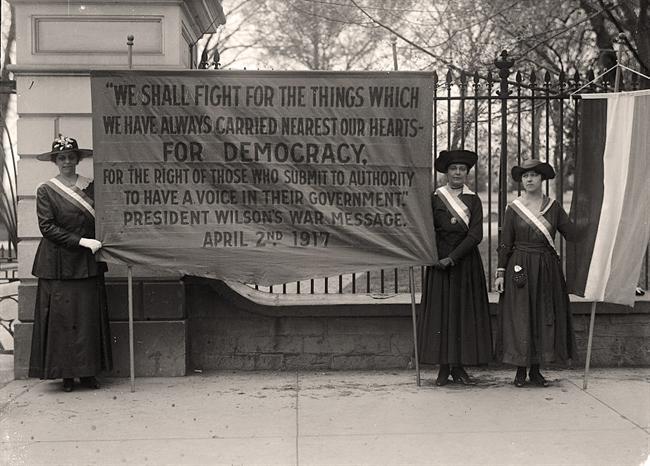
The absurdity of that historic moment sparks the imagination. Here were women, clad in their suffragist sashes, defiantly confronting power. Imagine the scene: police officers, perhaps bemused, perhaps threatened, hastily arresting these women for the audacity of demanding their right to vote from the very seat of power. The irony? Their incarceration only amplified the echoes of their demands. Jailed for standing up, they became martyrs for the cause, their suffering morphed into symbols of conviction and protest that reverberate through time. Could this be a paradigm for our contemporary struggles? Might this encourage us to rethink our own courage in the face of adversity?
Do we grasp the visceral thrill of standing up, of being out in the open, unyielding against the winds of societal norms? That’s what these suffragists did. They forced the nation to reckon with the uncomfortable truth that women were not only entitled to vote but also to demand their rights vociferously. However, let’s not fool ourselves into thinking it was a straightforward path. The suffragists faced derision, calls for decorum, and outright violence. The patriarchal establishment, alarmed by women daring to step beyond the confines of their socially acceptable roles, responded with aggression. Would you be brave enough to join the fray in such a hostile climate?
Now let’s take a closer look at how the suffragists navigated the treacherous waters of public opinion and law. The term “suffragist” may evoke images of ladies in white gloves and straw hats, but these pioneers were fiercely radical in their pursuit of justice. Led by figures like Alice Paul and Lucy Burns, they were not just lobbying for legal rights; they were crafting a transformational narrative that would challenge the very foundation of American identity. They launched campaigns, organized rallies, and yes, even risked their necks for picketing the White House. What tactics did they employ that hold relevance today? Would you dare to voice your beliefs in spaces today where you feel marginalized?
Let’s explore the ramifications of their stunning resolve. Their actions spotlighted an essential paradox: the struggle for women’s rights was also a struggle for the soul of the nation. American democracy, in theory, championed freedom for all, and yet it systematically curtailed the rights of half its population. The picketing was not merely a call for the vote; it was a demand for recognition, respect, and above all, equality. One must ask: do we realize the ongoing relevance of this sentiment? Are we in tune with the echoes of the past as we navigate our world of ongoing gender inequities, workplace discrimination, and systemic misogyny?
As we weave through this narrative, it becomes crucial to confront uncomfortable truths about privilege. What privileges do you possess that shield you from similar adversity? In acknowledging these complexities, we are called to rethink our roles as advocates for gender equality. Discussing privilege may often feel uncomfortable, yet it is in this discomfort that we find opportunities for growth. Suffragists didn’t rely on the status quo and so should we. They broke societal shackles, provoking reflection that we must continue today. Will you step up to challenge the status quo in your own life, or will you continue to remain complicit in the oppression of your sisters?
It’s also worth noting the incredible narratives crafted by those imprisoned women. Their letters, their writings—these are artifacts of rebellion that reverberated across generations. The suffragists harnessed the power of storytelling, thrusting their experiences into the public consciousness. Oh, how they exposed the hypocrisy of a society that revered freedom while shackling half its citizens! The power of narrative can galvanize movements; are you ready to explore your story? What truths lie beneath your own silence?
Let’s return to the present for just a moment. The legacy of those suffragists offers an enduring message: the act of protest, of standing up against injustice, remains indispensable. The passion of those early activists must fuel our actions today. From the climate crisis to racial injustices, fighting for equality transcends gender—it is a universal battle against all forms of oppression. So, let’s challenge ourselves: how can we honor the spirits of those suffragists? How can we channel their audacity into our current struggles?
As we look at the world outside, we must find our collective voice and shout with the same fervor that these courageous women did so long ago. It is not enough to reflect on their bravery; we must embody it. Mark this pivotal moment in history not just as a date on a calendar but as an unyielding call to action. It is your turn to carry the torch, to become a custodian of women’s rights in the 21st century. The suffragists took to the streets and the White House; where will you take your voice? We owe it to them, and we owe it to ourselves. Are we not all suffragists at heart?