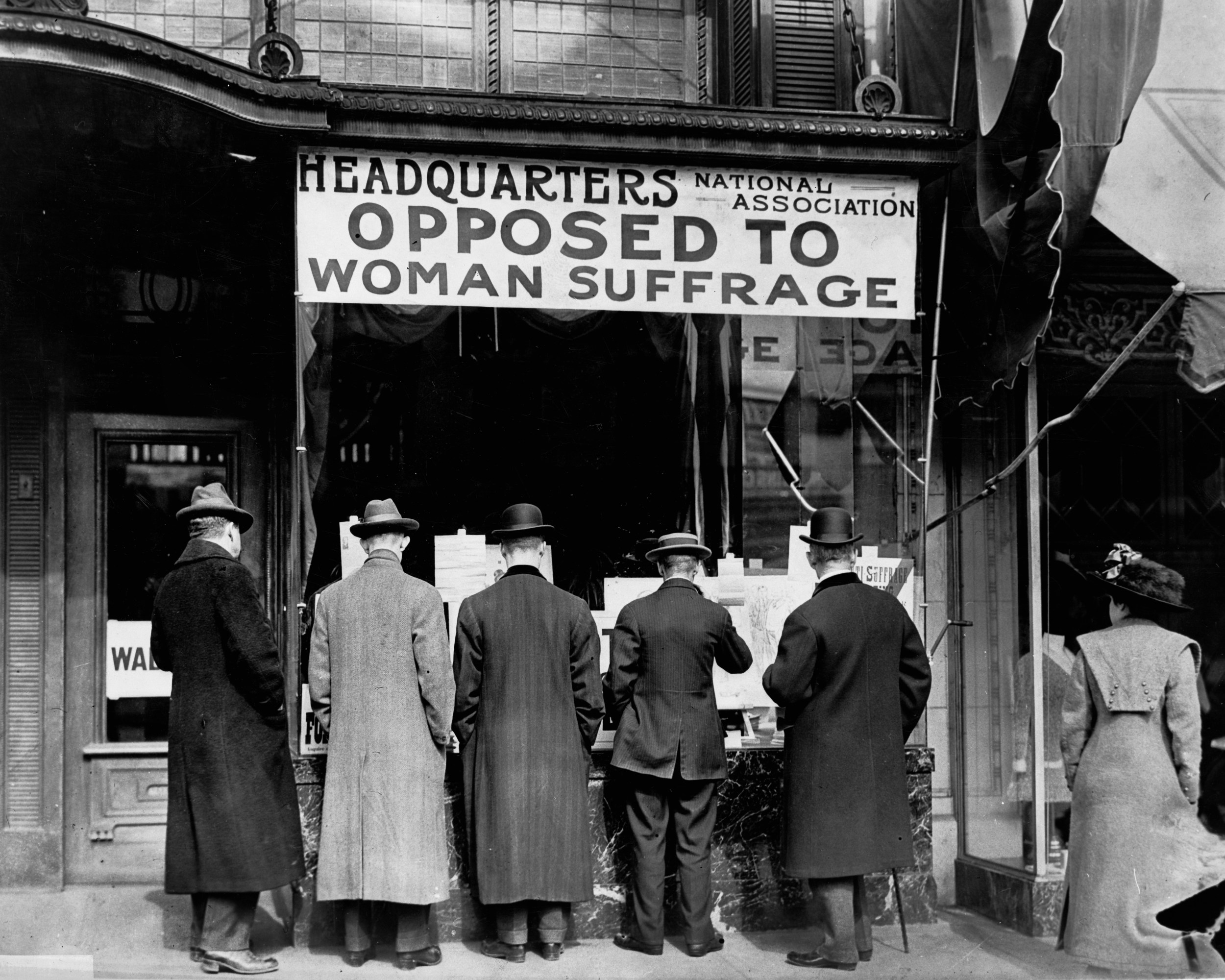
In 1920, a monumental shift rippled across the very foundations of American democracy with the ratification of the 19th Amendment— a feat accomplished after relentless struggle, unwavering resolve, and the indomitable spirit of countless women. Today, we stand on the shoulders of these suffragists, reflecting not just on the victories they secured, but on the sociopolitical landscape that emerged and continues to evolve in the wake of their tireless activism.
The suffrage movement was not merely a demand for the right to vote; it was an ardent rallying cry against systemic misogyny, social constraints, and a declaration of women’s rightful place in the public sphere. As we commemorate this cardinal moment today, we must interrogate what progress truly means and ponder whether the aspirations of the suffragists have been met or are yet unfolding.
As we delve into the annals of herstory, the question remains: Are we, as feminists, truly liberated or do we merely savor the crumbs of a historical victory? Let us scrutinize this through the following lenses:
Understanding the Context: The Suffrage Movement
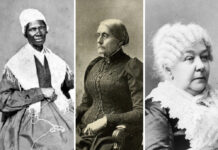
The suffrage movement burgeoned in a time of stark social realities where women were relegated to the domestic sphere, denied basic rights and redress against societal inequities. Angela Davis once remarked, “The most dangerous thing a woman can do is to tell the truth about her life.” And the suffragists— from Susan B. Anthony to Alice Paul— were not merely seeking a ballot; they were wielding the pen as a sword to cut down oppressive structures that subjugated women across the nation.
These women endured the relentless battering of patriarchal disdain, resisted the manipulative rhetoric of their time, and demanded an end to the legal erasure of their identities. They forged alliances, rallied in streets, and withheld their support from institutions that failed to recognize their humanity. The 19th Amendment became a beacon of hope, but it is imperative to explore the intricate web of struggles that preceded this triumph.
Intersectionality Unveiled: Voices From the Margins
The suffrage movement, often erroneously romanticized, was anything but monolithic. An intersectional examination reveals a layered narrative that intricately entwined race, class, and socio-political status. While white women rallied to secure their rights, numerous women of color, particularly African American, Native American, and immigrant women, found themselves systematically marginalized, both within the suffrage movement and in post-ratification America.
Ida B. Wells confronted the insidious racism embedded in the movement, arguing for the recognition of Black women’s sovereign rights amidst a sea of white feminism that failed to amplify their struggles. Moreover, the exclusion of Asian American women, whose citizenship status remained ambiguous, illustrated the pervasive racial divides within the broader framework of suffrage. Today, we must advocate for a nuanced understanding of history that honors the complexities of feminism and recognizes that liberation must be inclusive. The legacy of the suffragists includes an imperative to uplift all voices.
Revisiting the Narrative: Modern Feminism’s Obligations
The proclamation of “Votes for Women” was merely the commencement of a protracted struggle for equality. As we absorb the vibrancy of the suffrage legacy, we must critically assess the chasm that remains between aspiration and achievement in our current feminist discourse. The 19th Amendment granted a seal of legitimacy to many women, yet it scarcely ensured that the ballot represented a true reflection of their interests.
The present feminist movement must, therefore, pivot beyond mere electoral engagement. In a world where reproductive rights, economic disparity, and systemic violence against women persist unabated, it is imperative to adopt a radical reimagining of women’s empowerment. Feminism must embrace its role as an agent of systemic change, advocating for educational equity, healthcare accessibility, and anti-violence measures that span across all socioeconomic strata.
This brings us to the next question: How do we galvanize today’s generation amidst historical amnesia? The answer lies in robust activism that elevates the narratives of those historically silenced and fortifies the fabric of community support. Acknowledging the multifaceted challenges women face today, modern feminists must weave together advocacy initiatives, leveraging social media and grassroots organizing to amplify underrepresented voices.
Feminism Unbound: Beyond the Ballot Box
While the act of voting remains a pivotal component of our democracy, it is critical to interrogate the nuanced realities behind it. Are we truly educated voters, or are we passive participants in a fractured system that often undermines our choices? To galvanize a new wave of feminist activism, we must embolden women not only to exercise their right to vote but to engage in comprehensive civic education. Empowering women to understand the intricacies of policy, governmental structures, and local community dynamics is essential for safeguarding democratic integrity.
Furthermore, redefining feminism to embrace a broader vision of accountability and agency extends beyond the pursuit of individualistic gains. It encompasses a collective responsibility to question, challenge, and disrupt oppressive systems that extend far beyond gender. When women from different backgrounds unite in this cognitive dissonance, they create radical resistance against the structural constraints that impinge upon their rights— with the conviction that their voices can catalyze structural transformation.
Commemoration as Catalyst: Celebrating the Legacy
The centennial of the 19th Amendment is not merely a festivity; it is a call to action, a reminder of the impacts of suffrage, and a clarion call for accountability. This commemoration should serve not as a point of conclusion but as a fulcrum from which we launch dialogue and actionable initiatives. We honor the suffragists, not by enshrining their achievements in a gilded frame, but by embracing their tenacity and ferocity, vowing to continue the struggle for justice and equality.
Today, as we engage in discourse around women’s rights, we must remain vigilant stewards of herstory, ensuring that the sacrifices of our predecessors reverberate beyond the pages of history books. This calls for ongoing activism informed by intersectional analysis, creative engagement, and an unflinching commitment to dismantling all structures of oppression. As we resonate with their aspirations, we must fiercely champion—and demand—a future where every woman can effortlessly exercise her rights. The battle is far from over, and we owe it to those who fought for our voices to rise in unison, to keep that flame of activism burning brightly.
As we look forward, the profound question lingers: Will we step boldly into our collective future, armed with the lessons of the past, or will we allow indifference to impede the progress we are duty-bound to protect? Jasmine Guy illuminates this sentiment impeccably: “I’m proud to be a woman, and I’m proud to fight for my rights.” We must channel that pride with fervor, solidarity, and unwavering commitment.