

















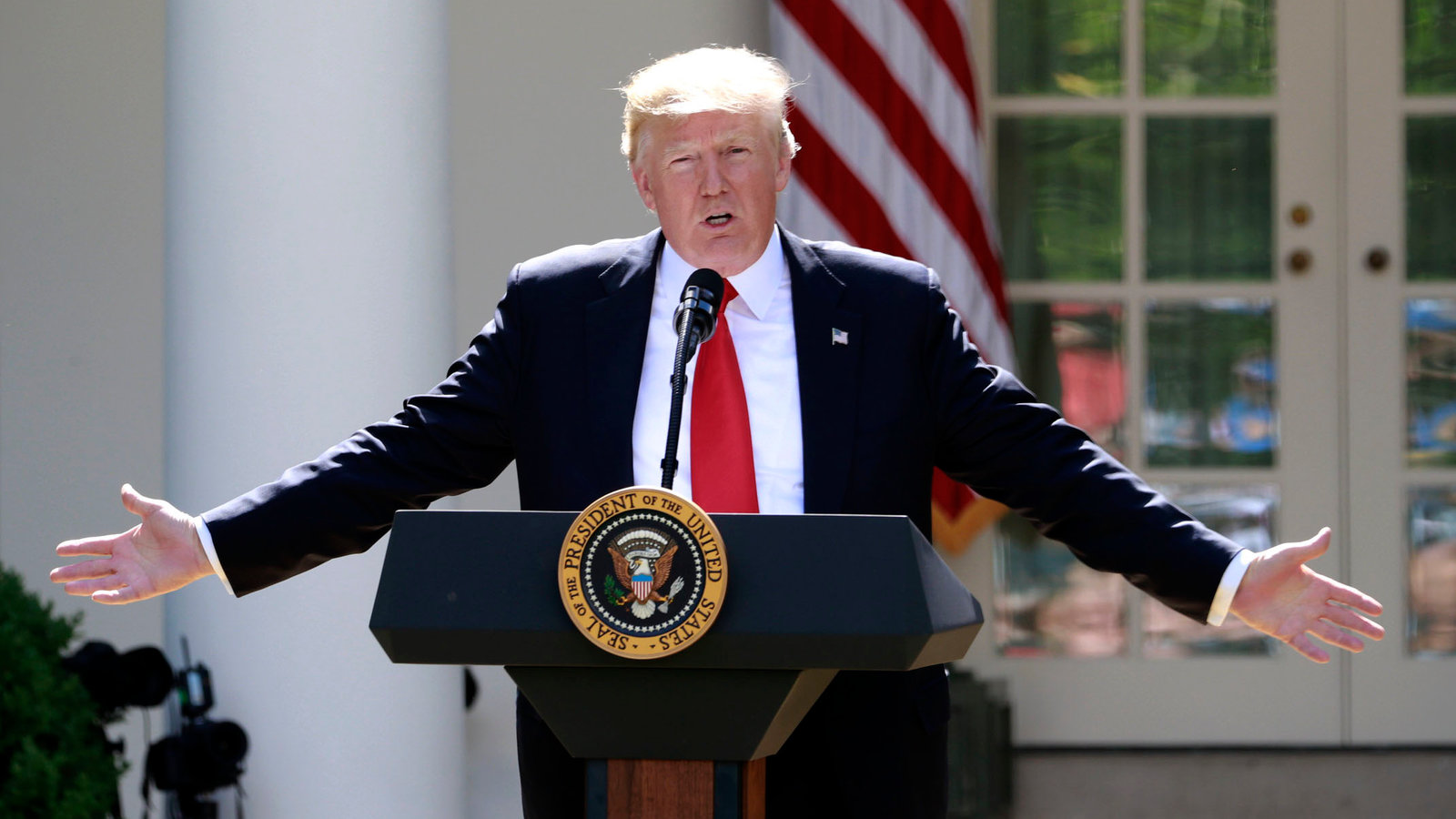
When the Trump administration announced its withdrawal from the Paris Climate Agreement, it sent shockwaves across the globe. But what does this political maneuver mean for the feminist movement? Is this merely a policy decision, or does it unveil a deeper narrative regarding gender equity in environmental justice? This decision reflects a multifaceted intersection of climate science, politics, and gender, and it necessitates an earnest reevaluation of how we approach ecological crises through a feminist lens.
Women worldwide are disproportionately impacted by climate change. According to numerous studies, when disasters strike, it is often women who face the brunt of economic, social, and physical fallout. Thus, when powerful governance structures make decisions like withdrawing from vital international agreements aimed at mitigating climate change, it is imperative to interrogate how these actions reverberate throughout society, particularly among marginalized groups. By taking a closer look at the implications of this withdrawal, we can galvanize a feminist discourse that demands accountability and catalyzes change.
Before diving into the repercussions of this withdrawal, it is essential to understand the significance of the Paris Agreement within the wider context of global policies. The Accord represents a monumental commitment to reduce greenhouse gas emissions, striving for a sustainable future where all nations collaborate for a common good. But behind the facades of governmental promises lies a critical question: Who truly benefits from such agreements, and who does not? This crux of social equity should frame feminist discussions of climate change.
How Power Dynamics Shape Climate Policy
The withdrawal from the Paris Agreement was not merely a tactical political decision; it was emblematic of entrenched power dynamics that pervade climate policy discussions. The Trump administration’s choice to prioritize national interests over global cooperation and the well-being of future generations illustrates a sovereignistic approach that discounts the input of marginalized voices, particularly women. Political leaders wield immense power, yet they often sidestep the practical ramifications of their decisions on disadvantaged communities.
In dissecting this unilateral stance, we must examine the predominantly male-dominated institutions that govern international relations and climate policy. Historically, men have disproportionately held the levers of power, reflecting and reinforcing patriarchal structures. With this withdrawal, the Trump administration underscores systemic issues; it neglects to uplift women’s unique experiences and insights into climate resilience. The feminist perspective urges a recognition of the varied roles women inhabit in navigating environmental degradation, from community organizers to scientists. Their voices deserve amplification, and this call-to-action necessitates accountability from those in power.
A Toxic Legacy: Environmental Racism and Gender Inequality
The decision to withdraw from the Paris Agreement is intertwined with issues of environmental racism and gender inequality. Low-income communities, often comprising women and people of color, frequently bear the brunt of climate impacts, such as increased flooding or rising temperatures. The Trump administration’s retreat from international climate diplomacy fails to acknowledge this disproportionate burden. As nations squabble over economic growth, it is essential to question whose lives are devalued in the process.
Feminist activists argue that environmental justice requires a commitment to dismantling the systems in place that enforce oppression. Women in developing nations are not just victims; they are agents of change who possess unique knowledge on sustainable practices. In many instances, they are the primary caretakers of natural resources, and their traditional wisdom can lead to more effective climate adaptation strategies. By sidelining their involvement through the rejection of global cooperation, the administration indirectly perpetuates environmental racism, stifling the progress of vulnerable populations.
As the spectrum of climate vulnerability deepens, the urgency for intersectional solutions increases. For instance, the ratification of the Paris Agreement fostered a global platform for nations to commit to reducing their carbon footprints and developing renewable energy sources. Had this commitment remained, it would have opened doors for women-led initiatives aimed at combating climate change, fostering resilience within communities typically neglected by male-dominated bureaucracies. The withdrawal represents a blatant disregard for the interconnectedness of climate issues, gender equality, and social justice.
Rethinking Climate Justice Through a Feminist Lens
What the Trump administration’s actions compel us to consider is not merely the act of withdrawal but the broader implications of such decisions on future leaders and activists. A feminist approach to climate justice extends beyond simply advocating for women’s rights; it seeks a paradigm shift that implores us to integrate gender considerations into climate policy formulation. By recognizing the contributions women make to both local and global solutions, we can reframe discussions of climate action as not only urgent but equitable.
One powerful avenue for change lies in grassroots mobilization. Women have been at the forefront of climate action movements, organizing underappreciated efforts that challenge governmental inaction. Their stories, laden with both struggle and triumph, must not only be shared but celebrated as we work toward structural reform. This grassroots approach thrives on intersectionality, allowing for the inclusion of diverse voices and the creation of a more robust climate justice framework. Feminism demands that gender not be an afterthought but a core element of climate policies that seek to engage everyone—particularly those historically marginalized.
The withdrawal from the Paris Agreement should not be seen solely through the lens of disappointment; instead, it presents a unique opportunity for revitalizing feminist activism. The landscape of climate politics is shifting, and with it comes the need to challenge narratives that have long underprivileged women and other marginal communities. By embracing an alternative vision rooted in equity and inclusiveness, we can foster dialogues that push against the status quo.
In the wake of the Trump administration’s choice, let us harness the power of feminist activism to demand comprehensive climate policies that urge cooperation, equity, and justice. In doing so, we not only assert women’s roles as critical actors in the climate movement but also highlight the importance of collaborative solutions that recognize the intersections of race, gender, and socio-economic status.
A call to action rings louder than ever: the fight against climate change is a feminist imperative. By holding leaders accountable, amplifying marginalized voices, and integrating gender equity into climate policy, we not only honor the planet but pave the way for a sustainable future that is equitable for all. As we usher in this new era of activism, we must remain steadfast in our resolve to confront institutional power structures—turning the momentum of withdrawal into a transformative narrative. Let curiosity guide our exploration, fueling a relentless pursuit of justice that transcends beyond borders and unites us all in the shared guardianship of Earth.