In the labyrinth of gender-based violence, a damning paradox persists: the very individuals who are supposed to offer sanctuary transform into agents of frenzy and death. A recent UN report echoes a chilling reality: the overwhelming majority of female homicide victims are murdered by intimate partners or family members. This phenomenon is not merely a series of tragic anecdotes; it is indicative of systemic inequalities rooted in patriarchy, societal norms, and a failure of justice systems worldwide. Let us dissect this grave issue with the urgency it deserves and unravel the implications for feminism and society at large.
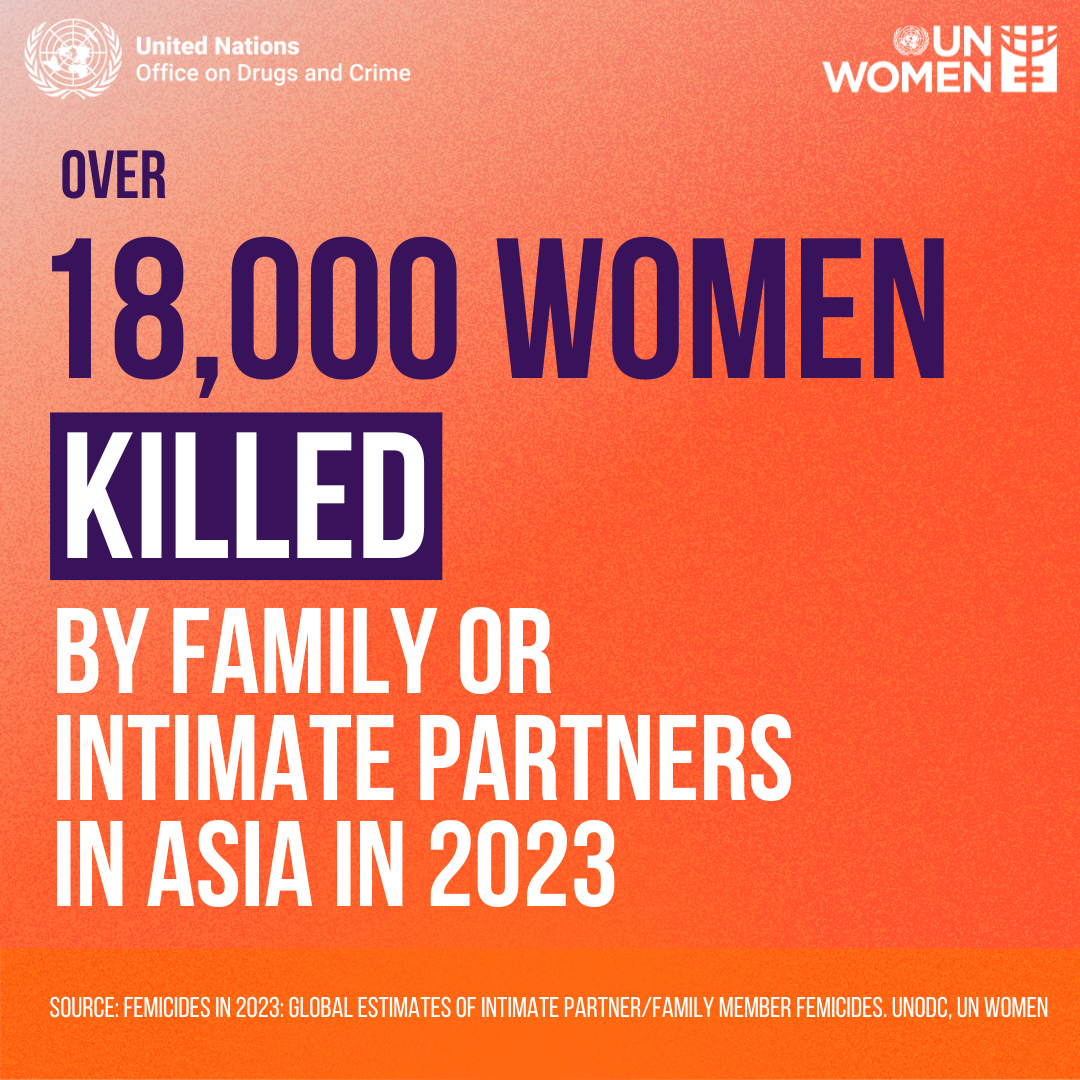
The scale of this atrocity is unfathomable. Over 18,000 women lost their lives at the hands of those who professed love or familial affection in 2023 alone. Each statistic represents not just a number but a story suffocated by the systemic silence that engulfs domestic violence. Feminism is more than an ideology; it is a clarion call to dismantle the structures that perpetuate violence against women. It is a movement that demands the unmasking of hypocrisy surrounding familial allegiance and emotional bonds, which often become the breeding grounds for lethal brutality.
The grim reality of intimate partner violence stands as a stark indictment of our societal frameworks that prioritize family honor over individual safety. Pervasive cultural myths persistently romanticize the concept of love, leading to a widespread ignorance regarding the potential for violence lurking beneath the surface. When the narrative of love complicates the pursuit of justice, we must question whether our definition of family is obscured by romanticized ideals that serve to uphold patriarchal power dynamics.
The Ties that Bind: An Examination of Familial Loyalty and Feminicide
The concept of familial loyalty is laudable—until it becomes a veil for oppression. Many women find themselves ensnared in relationships with intimate partners or family members who wield their love as both a weapon and a tool for control. This coercive dynamic breeds a toxic environment where victims are coerced into silence, fearing not just personal retribution but societal ostracism. The sobering truth is that 70% of women who are murdered by an intimate partner had previously experienced physical or sexual violence, often at the hands of that same individual. Such figures illuminate the necessity of a fundamental reassessment of how we advocate for women’s rights within the framework of familial structures.
When the bonds of kinship and partnership supersede the imperative of safety, feminism must offer a counter-narrative that emphasizes autonomy without deference to familial affection. The feminist revolution requires a radical shift in how we perceive these relationships; love should never be an excuse for abuse, nor should family allegiances take precedence over a woman’s right to live free from fear. This reframing is urgent, as traditional beliefs often shield abusers from accountability while perpetuating a culture of victim-blaming.
Forging New Narratives: The Role of Media and Society in Addressing Feminicide
The media plays a pivotal role in shaping public perception and response to femicide. Yet, its portrayal is too often laced with bias and sensationalism, treating individual tragedies as fleeting headlines rather than systemic issues. The language employed can further entrench dangerous stereotypes about female victims, adhering to archaic narratives that suggest these women somehow invited violence into their lives. This desensitization risks normalizing such violence instead of galvanizing societal outrage.
The urgent call here is for a media revolution that prioritizes the voices of survivors and the gravity of their experiences. Imagery that humanizes the victims—transforming them from mere statistics into multifaceted individuals with aspirations, dreams, and rights—serves to break the chains of silence. It is essential to reshape how we discuss familial violence and femicide, encouraging narratives that hold abusers accountable and dismantle the societal norms that endorse violence under the guise of family loyalty.
Furthermore, society must collectively engage in rigorous education programs aimed at eradicating the ignorance that perpetuates this cycle. Young people must be equipped with tools to recognize the early signs of abuse, not only in their relationships but also within their families. The power to change this trajectory resides in the youth who bear the baton of progress. They must be educated to understand that love is not synonymous with control and that familial bonds should foster safety rather than fear.
A Call to Action: Mobilizing Feminist Solidarity Against Intimate Partner Violence
Understanding the correlation between intimate partner violence and femicide is not enough; mobilizing action is imperative. The feminist community must unite to create a multi-faceted approach to tackle this menace. Engaging in grassroots movements, advocating for comprehensive legal reforms, and raising awareness about the complexities of abuse are critical components of this fight. We must dismantle the inadequate support systems that often fail victims, ensuring that shelters and resources are not only available but accessible to all women, regardless of their socioeconomic status.
Each year, the deaths of thousands of women should ignite outrage and evoke a profound sense of responsibility within us all. Advocacy should transcend traditional activism, calling on men to challenge one another and dismantle toxic masculinity. The support of men as allies in this crusade is not just vital; it is essential, for the eradication of violence against women is a societal issue demanding collective responsibility.
Furthermore, legal systems must be fortified to hold abusers accountable. As it stands, women frequently encounter justice systems that exercise incredulity towards their claims. Legislative measures must be enacted to ensure stringent protection for victims and unequivocal penalties for perpetrators. The feminist agenda today is not merely one of advocacy; it is a sustained, relentless pursuit of justice that demands both recognition and reform.
To misrepresent the narrative surrounding femicide as sporadic or isolated is to diminish the broader implications of systemic inequalities. Feminist activism must continue to illuminate the truth that intimate partner violence is not a personal failure; it is a societal curse manifesting through the intricate web of oppression. The time for complacency has long passed; now is the time for a resounding rebellion against this horrific reality, where love does not serve as a prelude to death.
The hearts and voices of women lost to intimate partner violence in 2023 should resonate as a profound call to action for all of us. Each life taken invites us to question our complicity in a world that too often prioritizes silence over security. We stand on the precipice of change where the integration of feminist thought into social consciousness could redefine the narrative around love, loyalty, and ultimately, life. Our collective fight against femicide must be relentless, ensuring that the slogan “not one more” evolves into a fundamental duty of every society—valuing women’s lives above all else.