

















Natural disasters strike without warning, wreaking havoc in communities and disrupting lives. Yet, amidst the chaos, the systemic vulnerabilities of marginalized groups—particularly women and girls—are exacerbated. In the wake of these catastrophes, organizations like the United Nations Population Fund (UNFPA) have emerged as beacons of hope, taking essential steps to fortify the safety and health of women and girls in disaster-affected regions. By examining the implications of the UNFPA’s initiatives for women’s safety and health after natural disasters, we can excavate the entrenched inequities that exist within patriarchal structures and advocate for transformative change.
Despite the prevalence of natural disasters in recent years, discussions surrounding their impact on women’s health and safety are often relegated to the background. Statistics tell a grim story; data indicate that women are more likely to suffer the consequences of crises—not just physically but also psychologically and socially. For instance, following significant disasters, incidents of gender-based violence surge, access to essential health services declines, and the burden of caregiving intensifies disproportionately for women. This gendered lens is essential as we navigate recovery strategies. It is imperative to recognize that not merely collateral damage, women emerge as architects of resilience in their communities.
The role of the UNFPA in this context cannot be overstated. Their framework emphasizes that the empowerment of women and girls is intrinsically linked to the broader pursuit of disaster resilience. By centering women’s experiences, the UNFPA’s action plan not only addresses immediate health and safety concerns but also lays the groundwork for long-term societal recovery. In an era where climate change exacerbates the frequency and intensity of these disasters, the UNFPA’s approach serves as a critical template for how humanitarian efforts should evolve.
Empowering Women in Crisis: A Fundamental Human Right
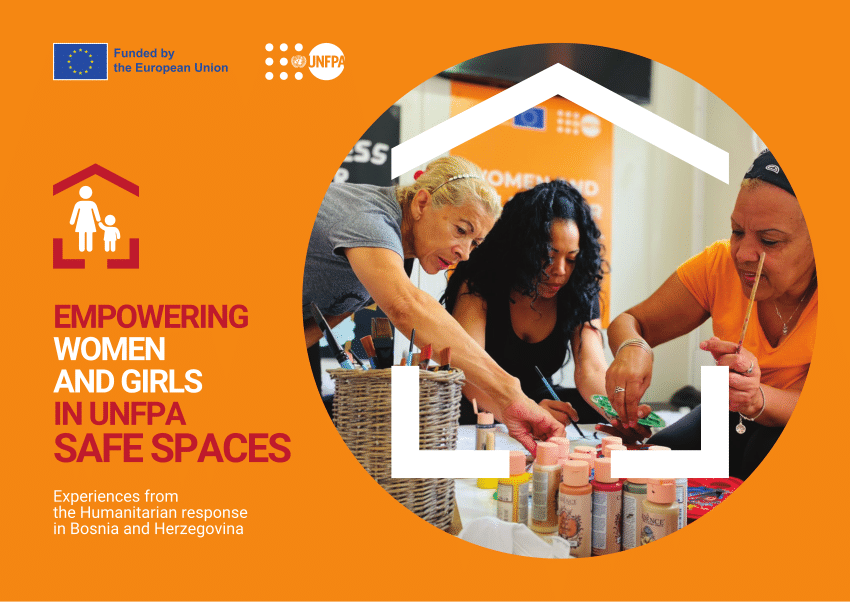
The urgency of addressing women’s health and safety in the wake of natural disasters transcends mere compassion—it is an imperative rooted in fundamental human rights. The UNFPA understands this nexus, advocating for comprehensive strategies that prioritize women’s reproductive health and psychosocial support in disaster relief efforts. When women are safe, communities flourish; they contribute not only to economic stability but also to social cohesion. The recent implementation of safe spaces where women can receive much-needed medical care and counseling is emblematic of this philosophy. These havens are more than physical locations; they symbolize autonomy, agency, and resilience in the face of adversity.
Safe spaces, however, must evolve into far more than reactive measures. They should also encompass preventive strategies, such as education on reproductive health and gender-based violence, to cultivate awareness and empower women even before disasters strike. By embedding these educational initiatives within the fabric of communities, the UNFPA helps women navigate their health concerns proactively, rather than merely responding to crises reactively. This framework not only addresses immediate needs but also promotes a culture of empowerment that permeates beyond the disaster’s aftermath and rather molds the future of gender relations within affected societies.
Beyond Safety: Health as a Holistic Priority
Nonetheless, prioritizing women’s safety cannot be decoupled from the myriad health services they require, especially in the wake of trauma. In several recent endeavors, the UNFPA has mobilized to provide comprehensive health services, including maternal care, mental health resources, and sexual health education, during times of crisis. This multifaceted approach deepens the understanding that health is an intricate web of physical, emotional, and social wellbeing, begging the question: can we truly claim to support women’s health if we ignore the complexities of their experiences?
The intersection of gender and disaster response highlights a staggering gap in our collective consciousness. Maternal health, in particular, should be non-negotiable during disasters, as access to prenatal and postnatal care can mean the difference between life and death for mothers and their newborns. Additionally, the trauma inflicted during natural disasters can have long-lasting effects on women’s mental health, often overlooked in traditional disaster recovery plans. The UNFPA’s focus on psychosocial support illustrates a deep understanding of the myriad constructs that contribute to women’s health, transforming a traditionally narrow definition of care into a far more expansive one.
Furthermore, it is imperative to address cultural stigmas surrounding women’s health during and after crises. The work of the UNFPA in destigmatizing reproductive health discussions is critical; we live in a world where talking about periods, pregnancy, and sexual health—especially in the context of disasters—remains taboo in many societies. By fostering dialogue, the UNFPA challenges the prevailing narratives that render women’s health invisible, simultaneously paving the way for more comprehensive care.
Community Resilience: Women as Agents of Change
Women do not merely need to be seen as victims; they are catalysts for transformative change in their communities. UNFPA’s initiatives foster an environment where women act not only as beneficiaries but also as creators of social innovation and resilience. By engaging women in decision-making processes surrounding relief efforts and empowerment initiatives, the UNFPA democratizes the recovery narrative. This shift critically challenges the paternalistic tendencies prevalent in traditional humanitarian responses, which too often overlook the lived experiences of women in favor of top-down solutions.
Moreover, community-led initiatives spearheaded by women help weave the very fabric of resilience within disaster-affected societies. Women possess a wealth of knowledge and cultural understanding that is indispensable for effective recovery. Whether it involves food distribution, healthcare provision, or educational outreach, women often occupy roles that are central to restoring functionality within their communities. Considering this, the UNFPA’s commitment to amplifying women’s voices in recovery processes is not merely a progressive initiative; it is an exigency borne out of common sense and ethical responsibility.
In post-disaster contexts, the unique social networks that women often engage help to mitigate risks and foster recovery, showcasing that systemic change is not merely a theoretical ideal but a practical necessity. The ongoing integration of women’s perspectives into disaster preparedness strategies will be the bedrock for creating resilient societies, weaving a narrative that positions women as architects of hope rather than passive recipients of aid.
The road ahead is fraught with challenges and obstacles; as the climate crisis continues to affect regions across the globe, the emphasis on women’s safety and health in humanitarian responses must remain unwavering. The UNFPA’s frameworks must be continuously examined and adapted to reflect the socio-cultural dynamics at play. In advocating for women’s health, safety, and empowerment, we must face the uncomfortable truth: unchecked gender inequality in disaster recovery only exacerbates the suffering of the most vulnerable populations.
Only through proactive efforts to include women’s voices, elevate their health needs, and recognize their pivotal roles in post-disaster recovery can we hope to forge a future where women are celebrated as the resilient leaders they inherently are. This is not merely an issue of feminist advocacy; it is an essential paradigm shift towards societal stability and health in an increasingly unpredictable world.