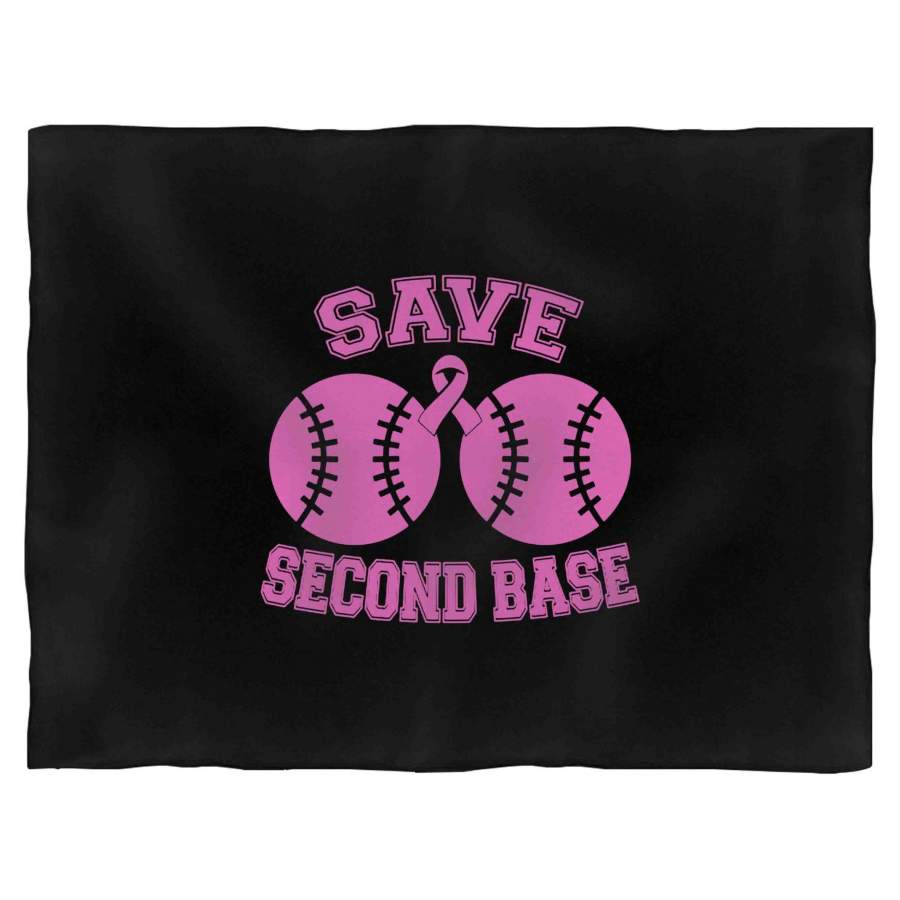
In the realm of feminist discourse, the phrase “Save Second Base” has burgeoned into a ubiquitous refrain within breast cancer awareness campaigns. Ostensibly benign, it lurks with insidious implications. What could be wrong with a catchy slogan, you ask? The troubling conclusions extend far beyond mere semantics; this mantra encapsulates a trivialization of an epidemic, flippantly relegating women’s health issues to a mere double entendre while diverting focus from the poignant narratives of those affected.
Let us dissect the multifaceted layers of this slogan and unveil why it falls drastically short of capturing the gravitas of breast cancer awareness, particularly through a feminist lens.
Conflating Breasts with Sexuality
The very essence of “Save Second Base” presupposes a linkage between breasts and sexual titillation—a notion hauntingly reminiscent of patriarchal commodification. When awareness hinges on the integrity of a woman’s physical form rather than her emotional, psychological, and societal struggles, it echoes a problematic trend in which women’s bodies are reduced to mere objects of desire.
This reductionist view harks back to outdated beliefs that prioritize and fetishize female bodies, thus eclipsing the very real and raw experiences of those battling breast cancer. It is vital to remember that breast cancer is a life-threatening illness, not a playful euphemism to mask sexual connotations. Campaigns that embrace “Save Second Base” undermine the seriousness of a disease that affects millions, turning a narrative centered on survival and resilience into a game-style phrase that families and individuals grapple with in their darkest moments.
The euphemistic framing diminishes the struggles of those affected, rendering their battle with a life-altering diagnosis into an amusing anecdote fit for late-night discussions. When did health awareness contracts surrender to catchy slogans? Moreover, such slogans may alienate men as well; male breast cancer is a reality that must also be acknowledged. Using a phrase so deeply entrenched in sexual objectification creates a disparity in how we approach and understand all genders affected by the disease.
Token Awareness vs. Genuine Advocacy
In a culture that thrives on social media and viral trends, the call to “Save Second Base” may encapsulate the very essence of tokenism in breast cancer awareness. It perpetuates the notion that we can be aware, yet uninformed—engaged, yet apathetic. This disengagement poses a psychological threat in a society that prizes superficial acknowledgment over substantial advocacy.
Considering the consistent statistics that reveal disparities in breast cancer treatment and outcomes, tethering awareness campaigns to such richly layered, yet flawed, phrases dangerously obscures the real issues at hand. While the mission is ostensibly to raise awareness, it often becomes a platform for frivolity rather than genuine advocacy. Initiatives should transcend mere surface-level dialogue; they must galvanize tangible action—not just for women but across all demographics impacted by cancer.
Women’s health disparities warrant a nuanced approach that transcends pithy slogans and encourages introspection and conversation about access to medical care, support systems, and community action. In 2023, we must demand that we elevate the discourse. The narrative of breast cancer—the loss, the fight, the resilience—deserves richer textures than a shallow catchphrase can convey.
Intersecting Feminism & Medical Discourse
At the crux of the issue lies an intersection between feminist theory and medical discourse. The feminist movement champions the right to bodily autonomy and health equity, yet slogans like “Save Second Base” flag potential misalignments. Shouldn’t we advocate for the right of women and all affected by breast cancer to define their narratives, free from the oppressive chains of sexual objectification?
A mantra drenched in sexual innuendo further complicates battles for reproductive rights and health equity. It presents the potential for misconstrued priorities in breast cancer advocacy, focusing on aesthetics over the arduous journey of clinicians, patients, and survivors. Within this intersection, the voice of feminist activism is critical in reframing the narrative—not just challenging the status quo, but dismantling it. The fight isn’t merely about “saving” parts of the body—it’s about saving lives, dignity, and agency.
Rising Above the Fray: A Call for Integrity in Advocacy
In the face of rising awareness campaigns that employ problematic slogans, a concerted effort is critical in rebuilding the narrative surrounding breast cancer advocacy. A paradigm shift is not just preferable; it is urgent. Grassroots organizations and global initiatives must coalesce around redefined visions that honor those affected while crafting an inclusive dialogue.
This is an invitation for new slogans—creative, empowering, and respectful of the lived experiences of those impacted. Perhaps alternatives could embrace the concepts of strength and resilience, such as “Survive Together” or “Empowered and Unbowed.” This reframing can galvanize support systems that resonate on an emotional level, shifting the discourse toward collective solidarity rather than sexualized banter.
Moreover, such elements can spark a ripple effect—an awakening within society to examine how language shapes narratives. By promulgating slogans rooted in empowerment and authenticity, we can reclaim the narratives of breast cancer warriors and build platforms that resonate with personal and collective strength.
The necessity for radical reframing and vocal dissent against tokenistic approaches becomes increasingly evident. In a world saturated with noise, let us be the clarion call for change, steering feminist activism toward thoughtful awareness that transcends distraction and champions genuine advocacy surrounding medical crises.
Ultimately, the movement that poses “Save Second Base” as a rallying cry must reckon with the implications of its words. We must champion a narrative of integrity, resilience, and recognition of every individual’s story rather than perpetuating an existing playbook of sexual innuendo. Embracing collective narratives will lead us toward a future where breast cancer awareness is celebrated for its complexity and weight rather than reduced to a catchy anecdote devoid of substance.
As 2023 unfolds, let us be perpetual advocates for transformation—pushing beyond expedient lyrics to forge an ongoing commitment to awareness, advocacy, and the integrity of lived experiences. In doing so, may we not only honor the lives impacted by breast cancer but also reaffirm our commitment, as feminists, to decouple health awareness from superficiality and instead elevate it to a space of dignity and respect.