In recent years, an insidious trend has emerged: women facing homicide charges stemming from behaviors perceived as risky during pregnancy. This harrowing reality digs deep into the patriarchal constructs that dictate women’s autonomy over their bodies. It’s not merely a legal issue; it’s a feminist crisis that echoes the age-old fight for reproductive rights and bodily integrity. The prosecutorial finger-wagging historically rooted in misogyny targets vulnerable women and belies the complexities of pregnancy and motherhood.
When we consider how society regards women’s choices—especially those related to their own bodies—it’s hard not to recognize the gaping chasm between male and female accountability. A woman who suffers a pregnancy complication or experiences loss due to circumstances beyond her control might find herself ensnared in the very system purported to protect her. This raises an essential question: are we criminalizing women for being human? An exploration of this dilemma reveals glaring inequities and entrenched societal biases that merit our urgent attention.
Understanding this phenomenon requires dissecting the larger cultural narrative surrounding motherhood. Women are often placed on pedestals as self-sacrificing nurturers, an exaltation accompanied by unrelenting scrutiny. This dualism sets the stage for tragedy, where any deviation from the expected norms becomes fodder for condemnation. It’s a paradoxical arrangement: women are revered for their maternal instincts but also vilified when they falter in those roles. The implications are far-reaching, particularly for younger women navigating the complexities of reproductive health.
Pregnancy is fraught with uncertainty. Many women may feel compelled—or come under pressure—to adhere to idealistic standards. The expectations can include everything from diet choices to abstaining from substances deemed harmful. Yet these guidelines are often based more on moralistic beliefs than medical evidence, perpetuating a culture of blame. This blame game, when combined with societal pressures, can yield devastating consequences when a woman appears to have ‘failed’ in her pregnancy journey.
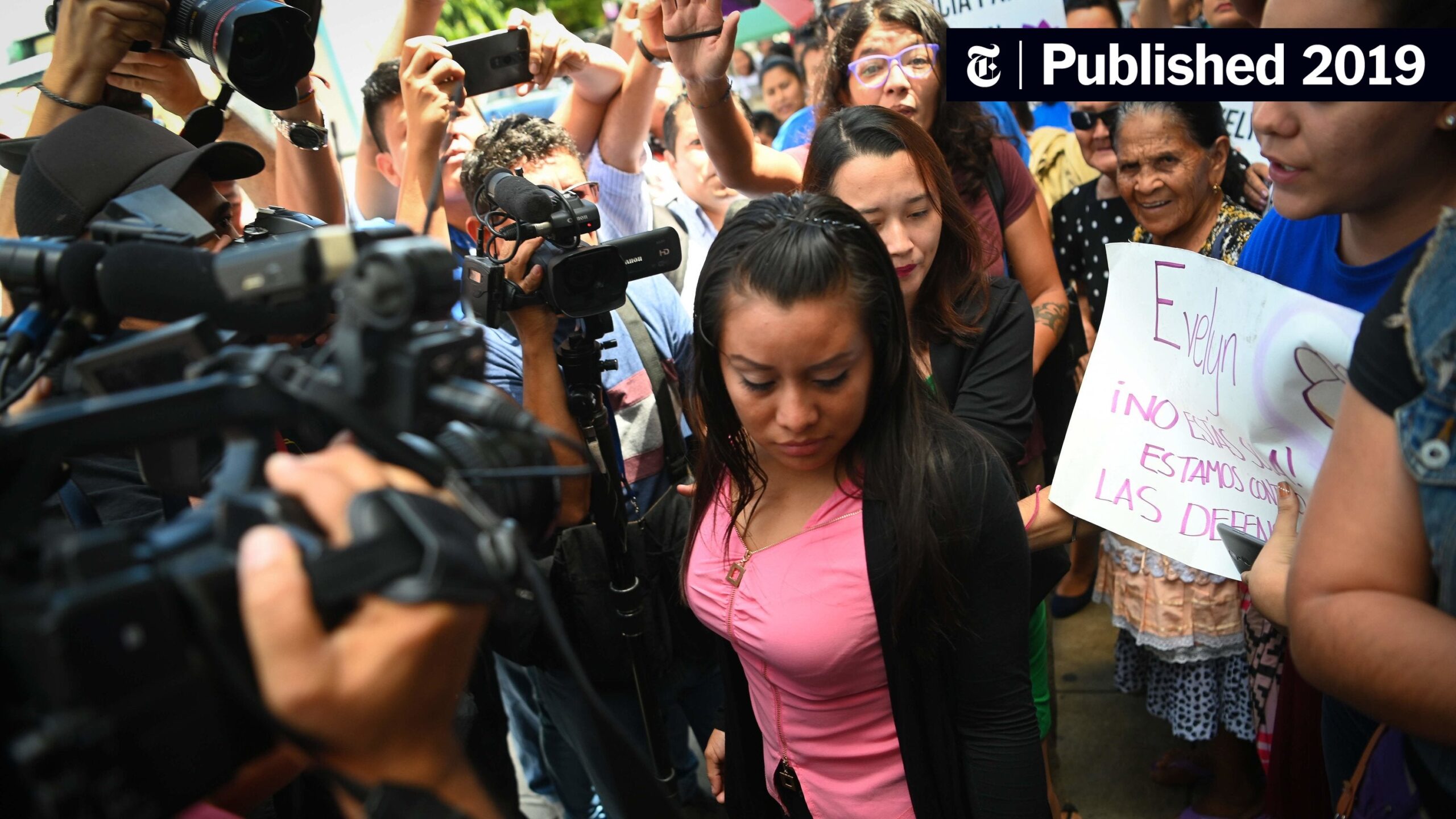
What’s particularly alarming is the way women are criminalized for their life choices. The delusion persists that pregnant women must remain in a state of pedantic perfection, lest they face dire repercussions. This scrutiny intensifies in cases of miscarriage or stillbirth. The stark reality is that some women have been prosecuted for ‘negligent’ behaviors during their pregnancies—behaviors that might not have had any causal link to their pregnancy outcomes. A sobering case is that of a Salvadoran woman cleared of homicide charges after a miscarriage that authorities misconstrued as negligence. Such instances compel us to ask: how can we consider women criminals when their experiences are deeply human and often tragic?
Moreover, the racial and socioeconomic dimensions of this issue are deeply entwined with the narrative of criminalization. Women of color and those in lower income brackets face a disproportionate share of these accusations, often stemming from stereotypes about their reliability and decision-making. Racial biases can warp perceptions of a woman’s intentions during her pregnancy, leading to harsher scrutiny and penalties. This intersectionality cannot be ignored; it’s a crucial part of understanding how the legal system perpetuates inequality under the guise of protection.
It’s vital to interrogate who stands as the arbiter of morality in these scenarios. The intersection of law and medicine often houses players with historically patriarchal views. Medical professionals and legal authorities can unwittingly turn medical complications into legal liabilities. This transformation from a health issue to a criminal one can exacerbate the trauma experienced by women, particularly the young and marginalized. When the stakes are redefined to include potential homicide, the repercussions echo far beyond courtrooms and into the societal fabric.
Public discourse around these cases has been discouragingly sparse. The convoluted nature of pregnancy posits ethical dilemmas that cry out for nuanced discussions. Young activists must take up the mantle of advocacy, rallying against the damaging narratives that vilify women while promoting comprehensive, empathetic care approaches. Reproductive justice involves more than just the fight for choice; it encompasses the right to navigate pregnancy—however that journey unfolds—without the looming threat of legal penalties.
Educational outreach becomes indispensable. Young women deserve honest, upfront conversations about the realities of pregnancy—complete with the nuanced understanding that not every outcome can be controlled or predicted. When we instill the belief that women are responsible for every facet of their pregnancy, we perpetuate a fear-driven culture that leaves little room for grace. Holding space for discussions about the emotional and physical ramifications of pregnancy, irrespective of the outcome, can reshape these narratives.
On a cultural level, we must dismantle the underlying misogyny that fuels these punitive measures. There lies an insidious correlation between societal expectations of women and the legal ramifications they face. As activists, it becomes imperative to advocate for policy changes that protect womanhood instead of policing it. Engaging in the public sphere—not merely as protestors but as educators—will help shift the discourse from enmity to understanding and compassion.
In fostering a community that supports women through every step of their reproductive journeys, we can slowly relinquish the hold of antiquated beliefs that equate motherhood with purity and infallibility. By embracing complexity and recognizing human limitations, younger generations can reshape the dialogue and create an equitable future.
The fight for women’s rights remains unfinished, and cautionary tales of women facing unjust charges are stark reminders of the systematic oppression ingrained in our societal framework. To enact change, we must amplify our voices and galvanize action. Solidarity among women is paramount; we cannot allow one woman’s tragedy to stand as an isolated incident within a broader conversation about reproductive rights.
Ultimately, embracing the full spectrum of women’s experiences, fraught with both triumph and sorrow, is what true feminism embodies. The dialogue must shift toward one of support, where young women feel empowered to make decisions regarding their bodies without the looming threat of criminal investigation. As we endeavor to evoke cultural shifts and dismantle these unjust practices, we must remain steadfast in our belief that a woman’s worth is not tethered to the outcomes of her pregnancy but rooted in her innate right to autonomy and dignity.
To stand in favor of these ideals is to foster a flourishing society where women can navigate their reproductive journeys unscathed by fear or judgment. The urgency for change is palpable, and the time for action is now. The legacy we leave for the next generation hinges not only on understanding but also on resilience, activism, and an unwavering commitment to a future where women’s choices are respected and cherished.