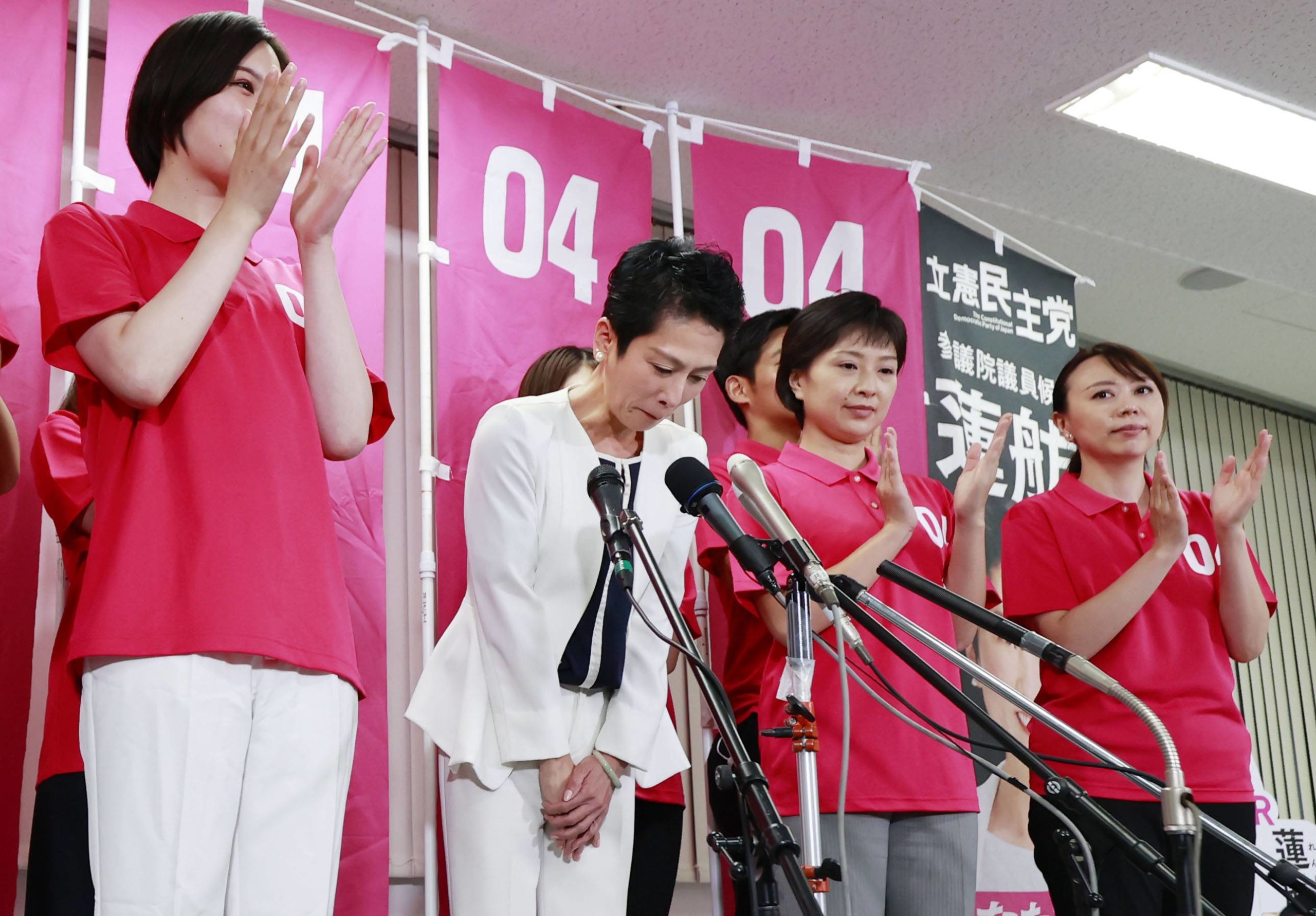
In the cloistered corridors of power, women in Japan have quietly been assembling their arsenal, and the results of the recent elections reveal a decisive breakthrough. With women securing a record-breaking 35 out of 125 seats in the Japanese Upper House, one cannot help but ask: Is this moment a mere blip on the radar, or are we witnessing the genesis of a true feminist awakening in Japan? This is no time for complacency; it is a clarion call for both engagement and inquiry into the dynamics at play.
It’s time we scrutinize the dissonance between perception and reality regarding gender representation in Japan. Historically, Japanese women have been marginalized in political spheres—largely ensconced in the roles of homemakers or dutiful support systems for male counterparts. But now, buoyed by this electoral shift, we must confront the following question: What does it truly mean for feminist progression in a society that has long resisted female leadership?
Let’s ponder the implications of this political evolution.
The audacity of women’s voices in the political landscape is nothing short of revolutionary. The newly elected female representatives bring with them diverse perspectives, ambitions, and a palpable difference in agenda-setting. The implications are multifaceted, inviting both celebration and critical analysis.
**The Paradigm Shift: A New Feminine Frontier**
The 35 seats won in the Upper House aren’t just numbers—they embody a seismic shift in the patriarchal paradigm that has subdued Japanese political discourse for too long. This momentous advance raises vital questions regarding representation and the unique insights women can provide. The infusion of female lawmakers into government not only disrupts the status quo but also allows for the enactment and enforcement of policies that are crucial for gender equality.
Imagine the legislative focus shifting towards child care support, domestic violence laws, and equal pay initiatives that cater not only to women but to the holistic needs of families and communities. This isn’t mere wishful thinking; it’s a realistic outcome of a diversely constructed political landscape. Women, with their unique experiences and insights, bring empathy and urgency to policy-making—a necessary antidote to years of male-centric governance that has often overlooked essential societal issues.
**Challenges Ahead: The Unyielding Glass Ceiling**
However, let’s not be misguided by euphoric numbers alone. This electoral achievement does not signify the end of gender-based obstacles. The stark reality remains: Japan continues to grapple with deeply rooted cultural norms that resist the full integration of women into leadership roles. The glass ceiling is present—not transparent, not fragile. It is a formidable structure fortified by centuries of tradition and a formidable conservative resistance.
As we revel in this advancement, we must also remain vigilant to the various constraining factors that women face. The backlash could be as swift as the progress. It’s important to challenge ourselves: Are we ready to fortify these gains against possible regression? Are we prepared to galvanize support for these newly elected representatives, ensuring they are not silenced or sidelined in a predominantly male-centric political dialogue? The struggle for equality is endless, and women’s political representation is merely one facet of a far grander tapestry woven with threads of activism, social justice, and allyship.
**Mobilizing the Feminine Force: Grassroots Activism**
Mobilization is paramount. The quiet yet impassioned voices of Japanese women must become a cohesive force, transforming the electoral gains into sustained advocacy for policy reform. Grassroots activism can serve as both the bedrock and the beacon of hope. Picture a burgeoning coalition of women from various walks of life—students, workers, homemakers—uniting under common banners. This collective force can wield unheard influence, prompting legislative debates that challenge antiquated norms and push for transformative actions.
In the context of this newfound political participation, women must fiercely engage with their local communities. Let’s dare to ask: Are we willing to carry the torch beyond just voting? Can we inspire the next generation of women to consider politics not as an insurmountable behemoth, but rather as a realm of empowerment and possibility? The time has come to rewrite the narratives of women in Japan, securing not just representation but a seat at the table for all women, regardless of background.
**Concluding Thoughts: A Call to Action**
The moment we are in is catalytic. It demands engagement, introspection, and ultimately, action. The surge of women into Japan’s political sphere illuminates the path forward, but for true systemic change, the onus lies on us—activists, citizens, and allies alike. The fragile tremors of change must be nurtured into a robust movement, pushing against the tides of patriarchy that threaten to overwhelm it.
To the reader: Will you stand idle as spectators or emerge as participants in a transformative era? The time is ripe for brandishing our defiance against entrenched inequalities. Let this be our manifesto: Women in Japan have made significant strides, but until true gender parity is achieved, our battle for justice continues. So ask yourself—what role will you play in ensuring this momentum does not dwindle?
This is not just about numbers; it’s about forging a future wherein equality reverberates through every sphere of society. As we exult in this auspicious milestone, let it serve as a clarion call for deeper engagement, unyielding advocacy, and an undeterred commitment to feminism in its most vigorous and revolutionary sense. Here’s to amplifying the voices that demand to be heard, witnessed, and respected in the political theater of Japan—and beyond!