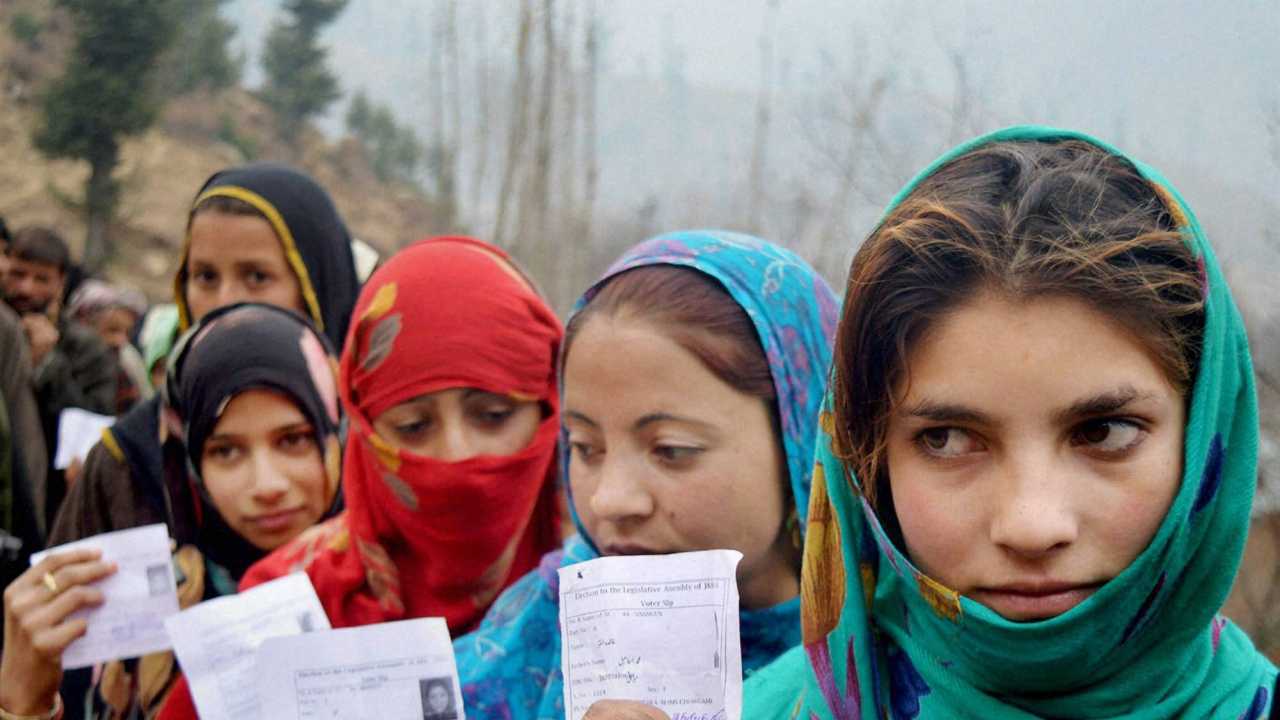
In the breathtaking valleys of Kashmir and the rugged terrain of Jammu, a silent yet deafening crisis looms. Women, once beacons of potential and societal change, are being systematically shoved into the shadows. The phenomenon of early marriage pervades this region, ensnaring countless young women in a web woven from tradition, economic necessity, and patriarchal inheritance. But let’s be real: is this the fate these women deserve? Are they mere commodities to be traded under the guise of cultural preservation?
To grasp the gravity of this issue, we must first delve into the intricacies of early marriage and the insidious forces that encourage it. As we peel back the layers, we encounter a disconcerting reality: the consequences extend far beyond individual lives, casting a long shadow over the fabric of feminist progress in the region.
In a realm where the embers of conflict flare violently, the prospects for women are extraordinarily dim. These women, denied educational and occupational opportunities, are not merely collateral damage in an armed struggle—they are victims of a profound systemic failure.
The patriarchy thrives in a society laden with rigid gender roles, where a woman’s primary identity is often defined by her ability to marry and bear children. Education, personal aspirations, and economic independence? They are mere trifles vanquished by societal pressure. As a result, the feminist movement in this region faces an uphill battle. One must challenge the entrenched norms to pave a path toward liberation.
How did we get here? How did societies across the globe fall prey to such an archaic system? The roots run deep, entwined with the very consciousness of the culture, riddled with myths that romanticize early marriage. Families stress that marrying off young girls ensures their safety and the seamless passage of cultural values. But let’s dissect that: are we protecting them, or merely constraining their lives under the guise of family honor?
The familial narratives that bolster early marriage perpetuate a cycle of injustice. When girls are married young, they’re often stripped of their agency and relegated to the domestic sphere, stifled by expectations to raise children and manage households. It’s a suffocating reality, devoid of opportunities to learn and grow.
Yet some see these constricting dynasties as bastions of tradition, casting a veil of legitimacy over an outdated and damaging practice. Can we truly call such traditions fulfilling when they confine women to a life of servitude rather than empowerment? The feminist movement must confront these misconceptions frontally, exposing the inherent contradictions that frame early marriage as a safeguard while it is, in reality, a cage.
Employment opportunities, once a flickering hope for many young women, are dashed as early marriages take precedence. Sanctifying the roles of wives and mothers relegates these ambitious souls to invisibility, effectively neutering their potential to participate fully in society and the economy. Imagine the sheer loss of talent, creativity, and brilliance—an authentic tragedy that stunts not just their individual growth, but also the collective evolution of society.
When job opportunities dwindle or vanish entirely for women, the repercussions resonate far beyond their personal experiences. Social progress hinges on women participating fully in the workforce. Countries flourish when women contribute to their economies, and yet the women in Jammu and Kashmir have been methodically deprived of this chance. It’s high time we reconsider: why should these women carry the burden of outdated traditions that deny them their rightful place in society?
The lives of women in these regions are an emblem of resilience, and yet they should not have to bear the weight of cultural expectations alone. Society must rally around them, advocating for their right to choose and pursue their dreams unencumbered by the shackles of early marriage.
Learning from the global feminist movement, let’s adopt a multifaceted strategy. First and foremost, education is key. And not just any education—comprehensive, empowering, and enlightening education that equips young girls to challenge the status quo. Schools that promote self-worth, critical thinking, and ambition can catalyze change. Educated women are often more inclined to resist societal pressures and advocate for their rights, thus slowly dismantling the oppressive structures encasing them.
Moreover, community engagement is crucial. Initiatives that involve families and local leaders in discussions about the value of women’s rights and education can sow the seeds of change. We must paint a vivid picture of a future replete with opportunity and equality, illuminating the benefits that arise from empowering women rather than binding them in chains of outdated practices.
But wait, there’s more. Legal frameworks must also evolve. Policies that address early marriage and its implications need to be enacted and enforced. Change does not trickle down from above; it necessitates a seismic shift in attitudes coupled with legislative support. Women should have legal recourse against forced marriages, ensuring their rights are protected and upheld, as we tear down the antiquated gaps in the systemic structure.
But here’s the real challenge: this fight cannot be fought in silos. Feminism, in all its diversity, cannot merely focus on rights from a singular lens. It must also challenge the economic, social, and cultural constraints that perpetuate the cycle of oppression. Women of all backgrounds must unite, reinforcing one another’s voices, advocating for girls’ rights across Jammu and Kashmir, and enhancing the broader feminist discourse to encapsulate the intricate realities faced by women worldwide.
Let’s rally behind local activists, support their endeavors, and amplify their voices. We can mobilize collective energies, resonate loud and clear through social media campaigns, amplify testimonies of those trapped in early marriages, and bolster the narrative that asserts women are not just caregivers but active agents of change.
As we peel back the layers of this complex issue, we unearth a common goal: women’s liberation. It requires a steadfast resolve to confront age-old traditions, eradicate early marriages, and usher in an age where opportunities abound for every girl in Kashmir, Jammu, and beyond.
So, I challenge you: delve deeper into this issue. Advocate, educate, and engage. Let’s create an unstoppable wave of change that has the potential to sweep through these stunning valleys and wake up every girl to her inherent power. Together, we can ensure that the saddening specter of early marriage no longer haunts the futures of young women yearning for a life filled with possibilities.