

















World Leaders Pledge to End Gender Discrimination: A Feminist Perspective
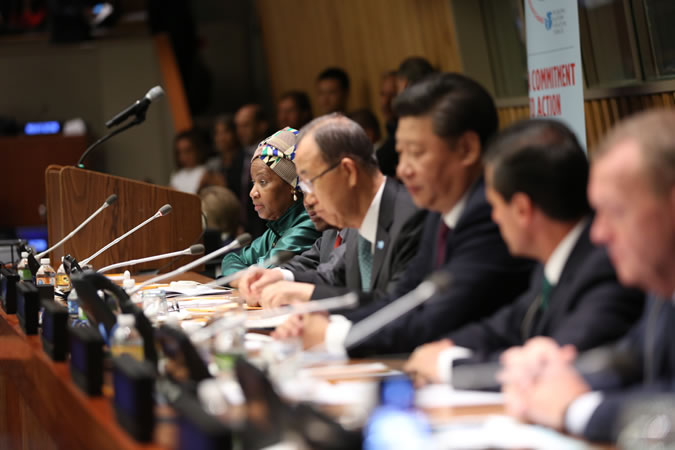
In an age where the battle for gender equality has reached unprecedented fervor, the reverberating pledge made by world leaders at a recent U.N. summit to combat gender discrimination is more than just another decree; it is a cataclysmic cry for justice and equity. But let’s not simply applaud this gesture; let’s peel back the layers, scrutinize the rhetoric, and challenge the efficacy of such commitments. Words are powerful, yes, but action is the crucible in which meaningful change is forged. The battle against gender discrimination necessitates not merely pronouncements, but tangible shifts in policies, systems, and cultural norms.
The dissection of this pledge must commence with the recognition of the multifaceted nature of gender discrimination. It is not a monolithic beast, but rather a chameleon that adapts and evolves, masquerading in various forms—economic inequities, societal biases, and legal impediments all contribute to the oppressive tapestry of gender discrimination. World leaders, in their utopian visions, must grapple with this complexity or risk merely scratching the surface of a deeply entrenched issue.
Let’s dive deeper into the implications of this commitment. Are we merely witnessing a performative act, a bandwagon of benevolence? Or do these declarations signify a seismic shift towards genuine advocacy? To engage with this pivotal moment, we must consider the following points.
Confronting the Status Quo: Are We Really Ready?
The grandiosity of pledging to eradicate gender discrimination sounds alluring, but one must evoke a sense of skepticism. Will these leaders—who often operate in the confines of patriarchy—truly dismantle the very structures that sustain their power? To challenge the entrenched sexist status quo requires unprecedented fortitude. The sobering reality is that many of the same leaders who pledged to eradicate gender discrimination have historically perpetuated policies that exacerbate gender-based disparities.
A poignant anecdote comes to mind: during climate summits, humanitarian crises, and other pressing global issues, gender equality often floats to the periphery of discussion. Why? Because the patriarchal hierarchy tends to relegate women’s issues to an afterthought. The moment of truth demands that these world leaders not only proclaim their intentions but also put their political capital on the line. If they truly aspire to transcend the ancient relics of gender oppression, they must confront their own complicity and foster an ecosystem inclined toward change.
The Economic Implications: Gendered Economies Where Change Begins
One cannot extricate the issue of gender discrimination from its economic implications. Global leaders often pontificate about economic growth and development, yet the economic disenfranchisement of women remains an insidious ailment that stifles this progress. Addressing gender parity in employment, wage equity, and access to financial resources must be at the forefront of this agenda. When women thrive economically, societies flourish.
Consider the staggering statistics: when women are set free to contribute to an economy without the fetters of gender discrimination, GDP can spur by as much as 35% (we’re talking billions of dollars). Yet, many leaders remain neck-deep in antiquated ideologies. They need a wake-up call, and perhaps this collective pledge can serve as that epiphany. However, a mere nod in that direction is inadequate. Legislation must be enacted to dismantle barriers, promote equality in ownership, and support female entrepreneurs. Anything less would simply be lip service, a perfunctory addition to a long list of promises made and broken.
Are We Talking About Intersectionality Here? Let’s Not Forget It!
The pledge to end gender discrimination ought to be intersectional or it runs the risk of magnifying existing hierarchies rather than dismantling them. Gender does not exist in a vacuum—it intermingles with race, class, ethnicity, and sexuality. The narratives of women from marginalized backgrounds often get sidestepped in favor of a sanitized, feminist monolith that lacks depth. Therefore, the challenge extends to leaders in the global arena: are they committed to an intersectional approach that encompasses all nuances of gender discrimination?
For instance, Indigenous women and women of color face unique barriers that are often overlooked. Their struggles are not merely amplified versions of white women’s feminism; they require distinct solutions and specific outlines that recognize their unique historical and cultural contexts. Imagine a world where this intersectionality is acknowledged and integrated into policy-making. Now that’s something to pledge about! It’s a call for solidarity that transcends boundaries and unites women across the globe.
Mobilizing the Grassroots: The Power in Our Numbers
A remarkable aspect of this global pledge is the potential to catalyze grassroots movements. The age-old adage, “change comes from the bottom up,” takes on new significance. Women and allies around the world wield immense power when they unite. When ordinary citizens challenge their local leaders to uphold international commitments, the implications can be profound. Grassroots activism is the juggernaut that elevates feminist agendas and holds leaders accountable. It permeates through the crevices of society, demanding that lofty pledges transform into palpable realities.
This dynamic shift in momentum presents a challenge: how do we translate our collective frustration into constructive action? Mobilization is key. Communities must galvanize to ensure that world leaders don’t merely toss empty platitudes around like confetti. If they falter in their promises, activists must be prepared to hold them accountable, to besiege the halls of power until gender equity is achieved. It is a call to arms for everyone who believes in a just world.
The Future Lies in Education: Cultivating Future Leaders
Last but not least, education is a crucible for change. The commitment made by world leaders must also emphasize education as a means to foster gender equity. When young girls and women are educated, they become agents of change in their communities. They possess the tools to navigate systemic biases, overthrow the patriarchal structures, and lead societies into a more equitable future.
Education is not solely academic; it must integrate gender studies, empower critical thinking, and promote active civic participation. By empowering the next generation and equipping them with the knowledge of gender rights, we lay the groundwork for a society that dares to reject the status quo.
To sum up, the monumental pledge made by world leaders to end gender discrimination at the U.N. summit is a tantalizing prospect, but it must evolve into a multi-pronged approach that encompasses economic reform, intersectionality, grassroots mobilization, and education. Words on a page mean nothing without the audacity to enact substantive change. So, I challenge you, dear reader: are you prepared to hold these leaders accountable, advocate for transformative change, and strive for a world where gender discrimination is a relic of the past? The future is indeed in our hands—let’s seize it!