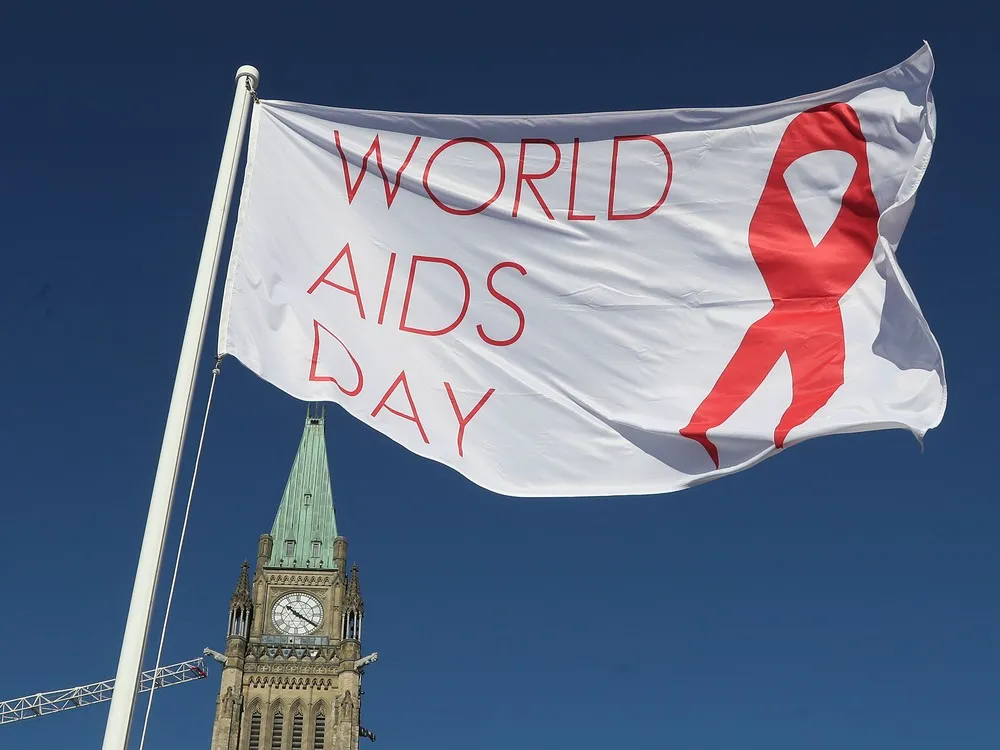
World AIDS Day is intended to be a moment of collective reflection, scientific reaffirmation, and renewed commitment to human dignity. It is a day when progress in treatment, prevention, and public education is acknowledged, and when remaining inequities are brought into sharper focus. In Canada, one of the most urgent and contested issues within this landscape is the continued criminalization of HIV non-disclosure. While the policy is often framed as a neutral public safety measure, its practical consequences reveal a deeply gendered impact—one that disproportionately harms women, particularly those who are already socially and economically vulnerable.
This legal framework does not operate in isolation. It intersects with domestic violence, immigration insecurity, poverty, and systemic discrimination, creating conditions in which women are more likely to be punished than protected.
Understanding the Legal Context
Under Canadian criminal law, people living with HIV can be prosecuted for aggravated sexual assault if they do not disclose their HIV status before sex that poses what courts have defined as a “realistic possibility of transmission.” This charge carries severe penalties, including lengthy prison sentences and mandatory registration as a sex offender.
While legal standards have evolved in response to medical advances, the threshold for criminal liability has historically been expansive. In many cases, prosecutions have proceeded even when condoms were used or when the person living with HIV had an undetectable viral load, a condition that effectively eliminates the risk of sexual transmission. Although prosecutorial guidelines have attempted to narrow the scope of charges, criminalization remains embedded in the legal system.
For women, this framework introduces risks that extend beyond the courtroom.
Gendered Vulnerability and Power Imbalances
Women living with HIV frequently experience unequal power dynamics within intimate relationships. These imbalances may be economic, emotional, or physical. In situations involving coercion or domestic violence, the expectation that women can safely negotiate disclosure becomes dangerously unrealistic.
Disclosure, in such contexts, may trigger retaliation, abandonment, or physical harm. Yet failure to disclose exposes women to criminal prosecution if a partner later reports them to authorities. The law thus creates a paradox: women are legally required to disclose, but socially and physically punished for doing so.
This dynamic is particularly severe for women who are financially dependent on their partners, lack secure housing, or are responsible for children. The threat of legal consequences compounds already limited options, effectively forcing women to choose between personal safety and legal compliance.
The Role of Coercive Control and Retaliatory Accusations
Research and community advocacy reports have documented cases in which accusations of non-disclosure are weaponized within abusive relationships. When women attempt to leave controlling partners or assert independence, threats of legal action can be used as a mechanism of intimidation.
In such cases, the criminal justice system becomes an extension of interpersonal control. Women may be reported not because transmission occurred or was likely, but because the law provides a powerful tool for retaliation. The legal process itself, regardless of outcome, can result in public exposure, social isolation, and loss of employment.
This phenomenon illustrates how criminalization does not simply punish harmful behavior; it can also enable new forms of harm.
Disproportionate Impact on Marginalized Women
The burden of criminalization does not fall evenly across populations. Indigenous women, Black women, migrant women, and women living in poverty face elevated risks of prosecution. These groups are more likely to be surveilled by social services, law enforcement, and healthcare systems, increasing the likelihood that their HIV status becomes known to authorities.
For migrant women, legal consequences can intersect with immigration enforcement, leading to detention or deportation. For Indigenous women, criminalization compounds the effects of historical trauma and ongoing over-policing. For women who rely on public assistance or precarious employment, legal involvement can result in catastrophic economic instability.
These intersecting vulnerabilities demonstrate that HIV criminalization is not merely a health policy issue. It is a matter of social justice.
Public Health Consequences of Criminalization
From a public health perspective, criminalizing non-disclosure is widely regarded as counterproductive. Fear of legal repercussions can discourage individuals from seeking HIV testing, as ignorance of one’s status may be perceived as a form of legal protection. This undermines early diagnosis, timely treatment, and prevention efforts.
For women, delayed testing has particularly serious implications. Without early treatment, the risk of health complications increases, and opportunities to prevent perinatal transmission may be missed. Criminalization thus interferes with healthcare engagement, eroding trust between patients and medical providers.
Moreover, the legal focus on individual blame obscures the structural conditions that shape HIV vulnerability, such as limited access to healthcare, gender-based violence, and economic marginalization.
Scientific Reality and Legal Lag
Advances in HIV treatment have transformed the medical understanding of transmission. Antiretroviral therapy can reduce viral load to undetectable levels, making sexual transmission effectively impossible. This principle, widely summarized as “Undetectable equals Untransmittable” (U=U), is supported by extensive clinical evidence.
Yet legal standards have been slow to fully integrate this scientific reality. Inconsistent application of prosecutorial guidelines and lingering misconceptions among law enforcement and courts perpetuate outdated risk assessments. Women, who may already face skepticism in legal proceedings, can find it difficult to assert scientific defenses, particularly when resources for legal representation are limited.
The disconnect between medical knowledge and legal practice perpetuates fear and misinformation, reinforcing stigma rather than alleviating it.
Stigma, Silence, and Social Consequences
Beyond formal penalties, criminalization intensifies social stigma. Women living with HIV may experience rejection from families, communities, and employers if their status becomes public through legal proceedings. This social exclusion can be as damaging as legal punishment, eroding mental health and social stability.
Stigma also reinforces silence. When disclosure carries legal and social risks, women may withdraw from support networks, reducing opportunities for counseling, education, and community connection. Isolation, in turn, increases vulnerability to exploitation and violence.
World AIDS Day emphasizes solidarity and shared responsibility. Criminalization, by contrast, isolates individuals and assigns moral culpability in ways that are inconsistent with contemporary public health principles.
Toward a Rights-Based Approach
Advocates have long called for a shift from punitive legal frameworks to rights-based public health strategies. Such approaches prioritize access to testing, treatment, education, and social support, recognizing that informed and empowered individuals are better positioned to protect both themselves and others.
For women, this would include comprehensive services addressing domestic violence, housing insecurity, reproductive health, and legal advocacy. It would also involve community-led education initiatives that reduce stigma and promote informed consent and shared responsibility in sexual relationships.
Legal reform, in this context, is not about removing accountability. It is about aligning accountability with scientific evidence and human rights principles, ensuring that laws do not exacerbate the very harms they claim to prevent.
Conclusion: World AIDS Day as a Call for Legal and Social Reform
World AIDS Day invites nations to evaluate not only their medical progress, but also the ethical dimensions of their policies. In Canada, the criminalization of HIV non-disclosure represents a legacy approach that no longer reflects scientific reality or social equity.
For women, the consequences are particularly severe. The law operates within social conditions marked by gendered power imbalances, economic precarity, and systemic discrimination. In this environment, criminalization does not enhance safety. It compounds vulnerability.
Addressing HIV in the modern era requires more than medication. It requires legal frameworks that respect bodily autonomy, protect survivors of violence, and support public health objectives. It requires listening to the experiences of women whose lives are shaped not only by a medical diagnosis, but by the social responses that follow.
On World AIDS Day, the commitment to end the epidemic must include a commitment to dismantle policies that harm those they are meant to protect. Only then can prevention, justice, and dignity move forward together.