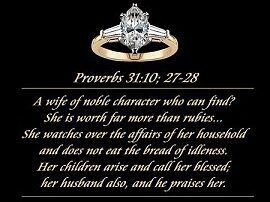
The concept of a virtuous woman has long been entrenched in cultural, religious, and societal narratives, often evoking polarized reactions and interpretations. This archetype, reminiscent of both strength and submission, raises pertinent inquiries about the roles assigned to women throughout history. Are we relegated to the confines of antiquated definitions of virtue, or can we redefine what it means to be virtuous in a contemporary context? This exploration delves beyond the traditional tropes, aiming to unveil a multifaceted understanding of a virtuous woman that challenges the norm.
At the heart of this discourse lies the metaphor of the phoenix—a bird that rises from its ashes, reborn and unscathed, embodying resilience in the face of adversity. The journey of a virtuous woman should similarly be viewed as one of transformation. She is not merely a passive, idealized figure bound by societal expectations; instead, she is a dynamic force, embodying tenacity and the relentless pursuit of self-actualization. This analogy emphasizes that true virtue is cultivated through an array of experiences, fiercely challenging the notion that virtue is synonymous with meekness or compliance.
Indeed, the term “virtuous” conjures images of purity and moral uprightness. Yet, what is virtue if not the culmination of lived experiences and personal philosophies? It is essential to undress the archaic layers that have been woven into the fabric of womanhood. The virtuous woman is not an ethereal being leading a flawless existence; she is, rather, a tapestry of flaws, strengths, and unique aspirations. This perspective begs the question: can virtue coexist with imperfection and individuality?
Consider, for instance, the notion of strength juxtaposed against societal expectations of femininity. A virtuous woman is often portrayed as nurturing and gentle, yet she possesses an inherent power that stems from her ability to navigate the complexities of life with grace and resilience. She advocates for herself and others, breaking through the glass ceilings that attempt to stifle her potential. This defiance challenges the equation of virtue with subservience, positing that true strength is not in silence but in the unapologetic assertion of one’s voice.
The unique appeal of the virtuous woman lies in her authenticity—an unyielding commitment to her truth. Her journey may be riddled with challenges, yet it is through these challenges that she cultivates empathy, wisdom, and an understanding of the world around her. Much like a diamond forged under pressure, her brilliance is magnified through adversity. It is the recognition of this nuanced journey that liberates the concept of virtue from the constraints of traditional paradigms. Rather than seeking validation through others, she derives her worth from a deep-seated belief in her own capabilities and values.
Yet, as we unravel the layers surrounding the idea of the virtuous woman, it is imperative to acknowledge the societal apparatus that shapes these narratives. The media, literature, and cultural discourse often perpetuate restrictive stereotypes, feeding into the myth of the perfect, self-sacrificing woman. These portrayals can be misleading, distorting the rich tapestry of experiences that define womanhood. It is crucial to confront these stereotypes head-on, dismantling the barriers imposed by societal expectations that confine women to a singular narrative of virtue.
Moreover, the dialogue about virtue must encompass intersectionality—the recognition that race, class, sexuality, and other dimensions of identity intersect to shape the experiences of women uniquely. A virtuous woman is not a one-size-fits-all archetype; she reflects the diverse spectrum of identities and experiences that exist within womanhood. This inclusion acknowledges that virtue can manifest differently and demands that we appreciate the richness brought about by these varied life experiences.
The conversation will remain incomplete without addressing the inherent contradictions in defining a virtuous woman within patriarchal constructs designed to marginalize and oppress. The very pursuit of virtue can be viewed through a critical lens that questions who holds the power to define virtue. Is it society, or is it the individual? In this argumentative tapestry, one must ignite the discourse on self-determination. A woman can be virtuous in myriad ways—not only through the lenses of tradition and expectation but through her resolve to carve out her destiny. This reclamation of virtue paves the way for a broader understanding, one that celebrates individuality and diversity rather than conformity.
As we venture into a deeper understanding of the virtuous woman, the call to action resounds. It entreats women to embrace their complexities, subvert traditional narratives, and reclaim the word “virtuous.” Let it signify strength, authenticity, and empowerment, unfettered by societal constraints. The true essence of a virtuous woman lies not in her adherence to outdated conventions but in her willingness to forge her path, drawing strength from her journey while uplifting those around her. In this reimagined interpretation, virtue becomes a platform for resistance and advocacy, a testament to the indomitable spirit of women everywhere.
In conclusion, the deeper meaning of a virtuous woman transcends simplistic notions of morality; it is an intricate tapestry woven from the threads of resilience, strength, and authenticity. It calls for a renaissance of understanding that honors the complexity of womanhood, recognizing that virtue does not exist in isolation, but rather is enriched by diversity and individuality. The time has come to celebrate a new paradigm of virtue, one that fiercely contests the archaic scripts and embraces the multifaceted identities of women as forces of change and empowerment.