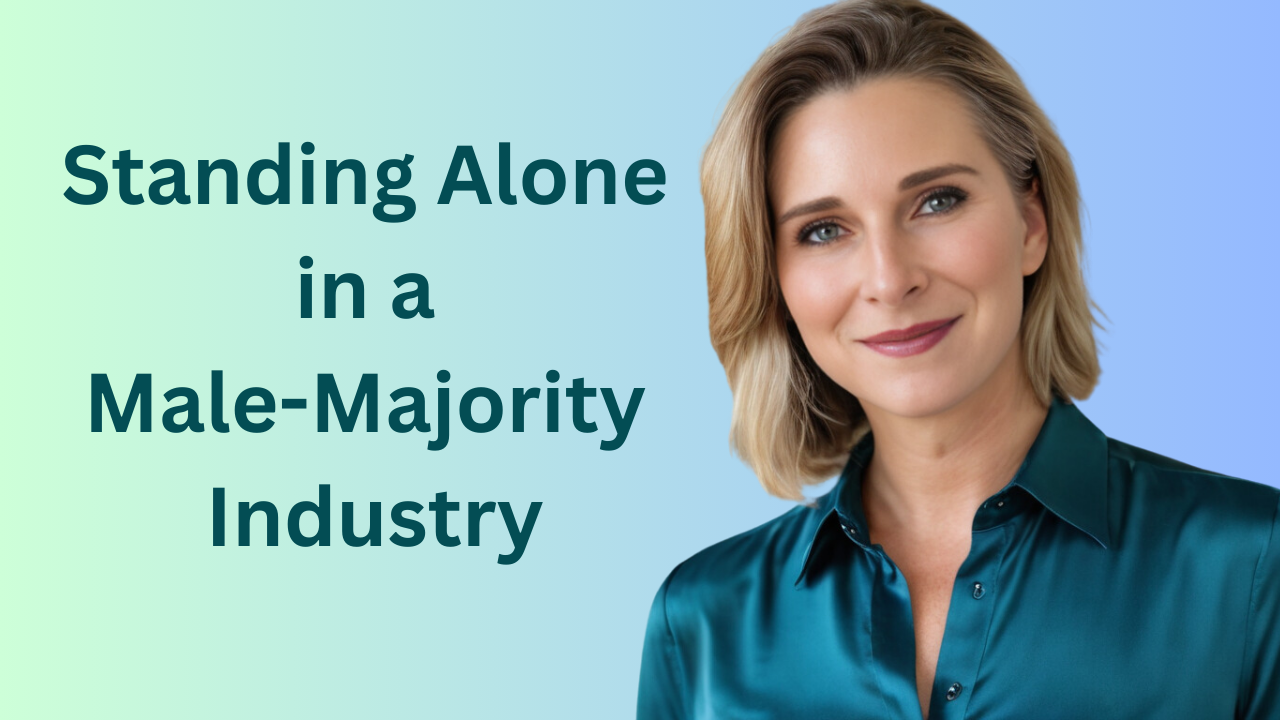
Imagine walking into a room filled with men—some kind, others not so much—and feeling that unmistakable flutter in your chest. The atmosphere is thick, charged with a cocktail of anticipation and apprehension. If you’re a woman walking into a predominantly male environment, one might ask: how do you navigate this undercurrent of tension? What tools do you equip yourself with to thrive when you are the lone female among a pack of wolves?
This scenario is becoming increasingly common in boardrooms, tech meetups, and social gatherings alike. Women are increasingly breaking barriers and shattering glass ceilings, yet the question remains: why do we still find ourselves as the only woman in the room? This is not merely an inquiry into labor statistics or gender dynamics. It’s a call to action to understand the nuances of what it means to be a woman navigating a traditionally male-dominated space.
First, consider the history embedded in these spaces. For decades, patriarchal norms dictated who could occupy positions of authority, dismissing women as mere bystanders or secondary players. Consequently, many women now find themselves at a crossroads: not only are they successful, they are outspoken, ambitious, and unapologetic. But therein lies a challenge. How does a woman assert her place without succumbing to the pressure to conform to outdated stereotypes?
Take, for instance, the concept of camaraderie versus competition. In male-dominated environments, the camaraderie often shifts into a competitive edge where assertiveness and aggression are valued traits. Women, on the other hand, have been socially conditioned to embrace collaboration and empathy as virtues. When attempting to integrate into this environment, a woman may find herself at odds with the prevailing ethos. Is she to adopt the brutal armor of competition or preserve her authenticity? It’s a valid dilemma, one that many women grapple with every day.
Moreover, societal perceptions can weigh heavily on one’s psyche. Entering these spaces, women are often subjected to scrutiny that their male counterparts may never face. From the way they dress to the validity of their ideas, the double standards cast a long shadow. The subtle, often subconscious questions loom: “Are they here on merit or are they simply filling a quota?” Such internalized doubts can stifle creativity and professional contributions. So, how does one combat this systemic bias?
One effective strategy lies in the art of fortifying your self-confidence. Confidence is not synonymous with arrogance; instead, it is a quiet conviction in one’s abilities. Cultivating self-advocacy can be revolutionary. Speaking up and asserting your ideas can be transformative—not just for you, but for the culture of your organization. When a woman takes ownership of her voice, she is not merely participating; she is disrupting the status quo. What happens is an unspoken invitation for others, men and women alike, to reflect on their biases and reconsider their behaviors.
The issue of mentorship should be examined critically as well. Having a mentor or sponsor can serve as a beacon in tumultuous waters. In male-dominated environments, finding a male ally may sound counterintuitive, yet it often results in the most impactful changes. A mentor can provide invaluable insight, and an advocate can help amplify your voice when it matters most. Be on the lookout for those who are willing to uplift rather than underestimate. This is not merely about personal advancement; it’s about crafting an inclusive legacy.
Furthermore, let’s talk about the power dynamics at play. The reality is that many women find themselves negotiating their worth in a landscape fraught with gender politics. In conversations often dominated by male energy, how does a woman establish her intellectual authority without veering into the territory of over-explaining or apologizing for her insights? These are common pitfalls to avoid. Embrace the opportunity to contribute passionately and, dare I say, unabashedly. Your insights may offer a welcome contrast to the often monotonic dialogues that dominate professional exchanges.
Communicating effectively also calls for conscious engagement. While navigating these interactions, one should consider preempting potential dismissals. Framing your contributions in a way that resonates with the predominant ethos can facilitate resonance. Find your rhythm, speak their language, but infuse your delivery with your unique perspective—this is the real art of persuasion. It disarms skeptics while creating pathways for dialogue that could further the conversation.
As we explore this journey, it’s vital to prioritize self-care. The emotional toll of being the only woman in the room can be exhausting. Burnout is all too familiar for those blazing trails, and recognizing this reality is crucial. Establishing a support network, whether through friendships, professional networks, or even casual meetups, can create a sanctuary where you can unwind, recharge, and strategize. These connections serve as reminders that you are not alone in this battle; they reinforce the idea that women must unite to transform these environments into more equitable spaces.
So, what’s the takeaway? To thrive as a woman among wolves necessitates a blend of strategy, resilience, and a fierce embrace of authenticity. It demands a willingness to engage with difficult truths while forging connections that can elevate not just oneself but also the collective experience of women in these spaces. The wolves may howl, but with the right mindset and tools, a woman among wolves can lead the pack into a new era of inclusivity, empowerment, and radical change.