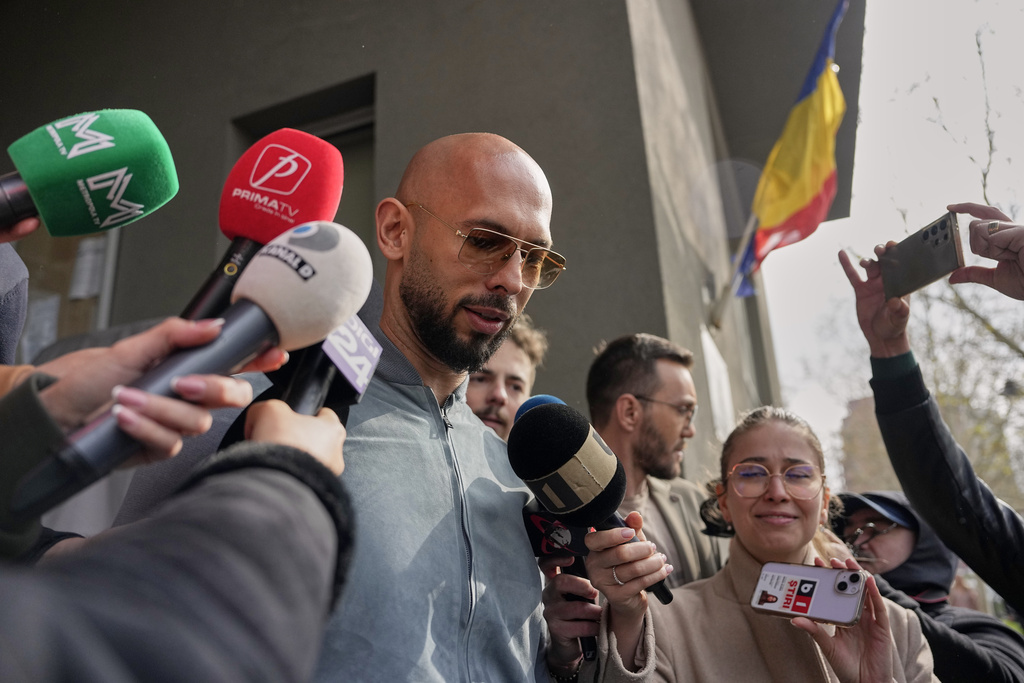
In contemporary discourse surrounding gender, power, and identity, figures like Andrew Tate emerge not merely as isolated phenomena but as manifestations of a larger, more convoluted cultural landscape. While Tate himself has attracted considerable attention for his provocative rhetoric and controversial persona, focusing solely on his individual influence obscures the deeper systemic issues embedded within what is commonly referred to as the “manosphere.” Examining this digital subculture reveals that Tate is less an origin and more a symptom of pervasive sociocultural maladies related to masculinity, gender relations, and societal expectations. By delving into the intricacies of the manosphere and the sociological currents that sustain it, a more comprehensive understanding emerges — one which situates feminism not as an adversary but as a necessary critique and corrective force.
The Manosphere: An Expansive Digital Ecosystem
The manosphere is not a monolith but an expansive, variegated ecosystem comprising blogs, forums, social media channels, and video platforms where ideologies centering on masculinity ferment and coalesce. It is populated by groups advocating from men’s rights activists (MRAs) to pickup artists (PUAs), incels, and “red pill” communities. Each faction, while distinct in focus, shares a common thread: a perceived crisis of masculinity and a reaction against evolving gender norms. This digital terrain acts as both a sanctuary and an echo chamber, reinforcing narratives of male victimization, entitlement, and, often, hostility toward feminism and women.
Understanding the manosphere requires appreciating its seductive appeal. In a socio-economic era marked by uncertainty, shifting gender roles, and an erosion of traditional male privilege, these spaces promise clarity, identity, and empowerment. The rhetoric often elevates a narrowly defined, hegemonic masculinity — valorizing dominance, control, and emotional reticence — while rejecting vulnerability or egalitarian partnerships. The allure lies not merely in the ideas promulgated but in the community and belonging it provides to men who feel marginalized or disoriented by contemporary societal transformations.
Andrew Tate as a Symptom: Charismatic Amplification of Toxic Masculinity
Andrew Tate’s persona crystallizes many of the manosphere’s foundational themes but also exemplifies how individual figures function as charismatic amplifiers of broader dynamics. His brash confidence, ostentatious displays of wealth, and incendiary statements encapsulate a performance of hegemonic masculinity predicated on dominance — over women, societal norms, and even other men. However, reducing Tate to a mere provocateur fails to acknowledge how his rise is symptomatic of more endemic issues.
Tate’s viral fame is not isolated to his personality but is inseparable from the cultural currents receptive to his message. His fame is cultivated by an audience that yearns for simple, if flawed, solutions to complex identity crises. This audience is primed by economic precarity, social isolation, and a backlash against perceived feminist encroachment. Tate’s articulation of “toxic masculinity” is often misunderstood; he presents it as an aspirational ideal rather than the patently destructive patterns feminists critique. This inversion reveals how toxic masculinity transmutes when situated within emboldened, unchallenged dominion rather than restrained or reformed through societal critique.
Feminism’s Critical Role: Illuminating and Contesting Manosphere Narratives
Feminism, at its core, functions not as antagonism toward men but as a systematic interrogation of power asymmetries and cultural narratives that sustain inequity. In contesting the manosphere’s assertions, feminism exposes how many of the grievances articulated within these communities stem from resistance to democratized gender relations rather than genuine victimhood. Feminist scholarship and activism emphasize the deconstruction of rigid gender binaries and advocate for emotional intelligence, mutual respect, and equity in all interpersonal spheres.
By unveiling the manifold ways gendered expectations harm all individuals, feminism offers a potent counterpoint to the manosphere’s reductive and reactionary ideologies. It challenges the framing of male identity as inherently oppositional to female empowerment, underscoring that liberation and well-being are not zero-sum but interdependent. The feminist critique also highlights how the manosphere frequently operates through selective and distorted interpretations of social phenomena, often weaponizing legitimate discussions about men’s issues to entrench misogyny.
Intersection of Societal Anxieties and Gender Performance
The broader cultural anxieties shaping the manosphere are intricately linked to shifts in labor markets, cultural values, and technological disruption. Economic instability, declining manufacturing jobs, and the growing valorization of emotional labor and relational skills place traditional masculine ideals under strain. This tension fomented apprehension among many men, driving them toward spaces where their frustrations could be voiced and validated without critical scrutiny.
Within this crucible, gender performance assumes heightened significance. The manosphere valorizes aggressive, hypermasculine comportment as a bulwark against perceived emasculation. Yet, this rigid performativity often conceals profound insecurities and contributes to cycles of isolation and disaffection. The resultant psychological and social toll affects not only men but their partners, families, and communities, perpetuating patterns of dysfunction and conflict.
Towards Reconstruction: Reimagining Masculinity Beyond the Manosphere
Healing this fractured terrain demands reimagining masculinity outside the confines of dominance and suppression of vulnerability. Progressive masculinities embrace emotional complexity, relational accountability, and intersectional awareness. Initiatives that foster male mental health, community engagement, and critical education about consent and gender dynamics provide productive pathways away from manosphere dogma.
Moreover, recognizing the socially constructed nature of gender allows for flexible, inclusive identities that resist binary constraints. Encouraging men to participate as allies in feminist movements crafts spaces where mutual growth and empathy replace antagonism. This reconstructed masculinity is not a loss but a gain—a richer, more nuanced mode of being that integrates strength with sensitivity and power with responsibility.
The Role of Digital Literacy and Media Responsibility
Given the manosphere’s digital proliferation, media literacy emerges as an indispensable tool. Teaching critical consumption skills helps individuals discern manipulative rhetoric, recognize disinformation, and understand how algorithmic amplification fuels radicalization. Platforms themselves bear responsibility for mitigating the harms of toxic content through transparent policies and proactive moderation.
Encouraging content creators to spotlight diverse, constructive narratives about masculinity counters the monolithic depictions popularized by figures like Tate. Highlighting stories of men who embody equitable, compassionate behavior disrupts the cycles of negativity and opens avenues for aspirational representation. Ultimately, transforming the digital landscape entails collaborative efforts from educators, technologists, activists, and communities alike.
Conclusion: Diagnosing and Addressing the Underlying Disease
Andrew Tate’s notoriety offers a window into a broader cultural pathology rather than an isolated aberration. The manosphere symbolizes a reactive backlash to social change—a disease born of anxiety, dislocation, and resistance. Feminism serves as both a mirror and a remedy, unpacking toxic structures and fostering frameworks for healthier expressions of masculinity. Addressing this multifaceted challenge requires transcending simplistic blame and engaging deeply with the social, economic, and psychological contexts that nourish these digital enclaves.
By situating Andrew Tate within this larger diagnostic, society can better mobilize critical resources, cultural shifts, and educational strategies to dismantle harmful paradigms. In doing so, the path opens toward a more just, empathetic, and inclusive future where masculinity is not a battleground but a source of authentic strength and connection.